

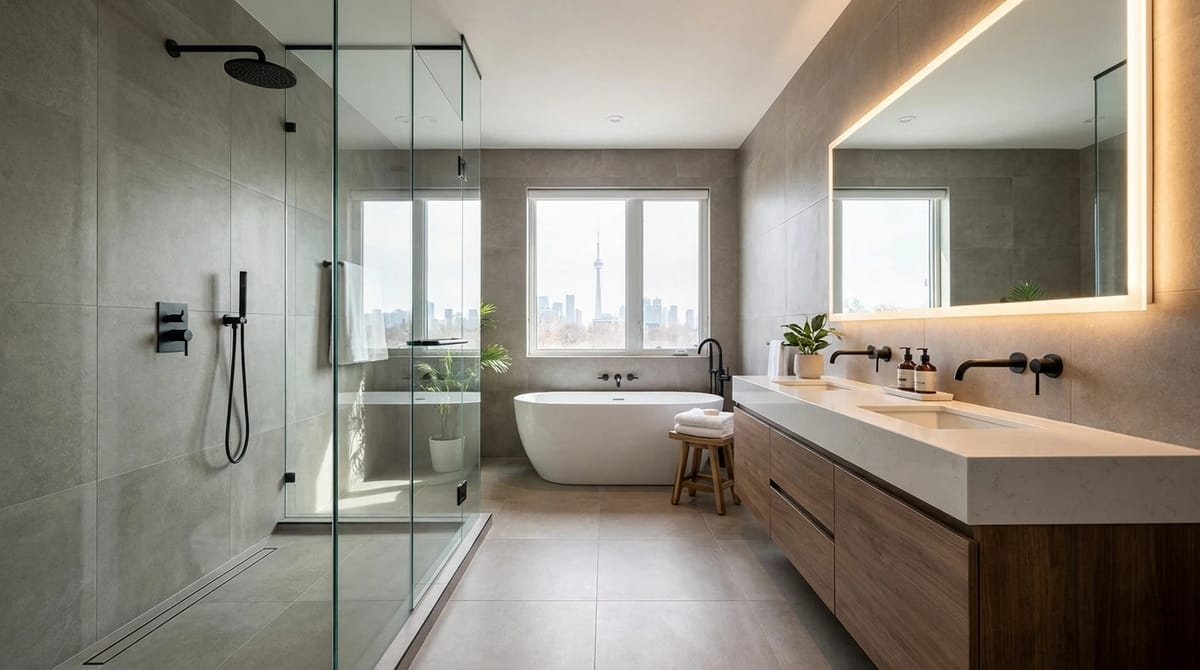
A bathroom renovation Toronto project is one of the most powerful ways to elevate the comfort, functionality, and resale potential of a home in the GTA. Whether you live in a downtown Toronto condo, a classic semi in East York, or a luxury detached home in Etobicoke, a well planned bathroom upgrade can transform everyday living while simultaneously boosting market value. Buyers in Toronto consistently respond to modern finishes, improved layouts, and code compliant updates, and this makes bathroom improvements one of the smartest investments a homeowner can pursue. In this comprehensive guide, we explore exactly what adds the most value, how local bylaws shape your project, what permits you may need, and why professional planning from experts like Route Homes ensures a seamless renovation experience.
What Adds the Most Value During a Bathroom Renovation in Toronto?
The Toronto real estate market places significant weight on upgraded bathrooms because buyers often focus on the quality of fixtures, the condition of plumbing systems, and the aesthetic cohesion of the space. The most value driven improvements begin with optimizing the layout. A bathroom that feels cramped, cluttered, or poorly illuminated typically benefits from reconfigured walls, a relocated vanity, or a more efficient shower footprint. Even small adjustments can add measurable value when paired with clean, modern finishes.
Material upgrades also play a major role. Porcelain tile flooring, quartz countertops, and frameless shower enclosures are highly desirable across Toronto neighborhoods. These materials show well in listings, improve durability, and demonstrate a commitment to quality. For older homes with mid century plumbing, concealed upgrades such as new copper or PEX lines also reassure buyers that hidden infrastructure is performing reliably.
Lighting improvements deserve considerable attention. Homes in Toronto often include bathrooms with limited natural light due to narrow lot sizes and interior layouts. Effective overhead lighting combined with LED vanity lighting elevates the visual impact and functionality of the space. This is one of the most economical enhancements that delivers a strong return.
Storage capacity is another major value driver. Modern Toronto buyers often expect concealed storage niches, floating vanities with integrated drawers, or recessed cabinets. These touches make small bathrooms feel organized and more luxurious.
Finally, energy efficiency upgrades are increasingly important. WaterSense faucets, insulated tubs, improved ventilation, and low flow toilets appeal to environmentally conscious buyers and reduce long term utility costs.
Section 2: Top Upgrade Priorities Ranked by ROI
- High quality porcelain or ceramic tile flooring
- Frameless glass shower enclosure
- New vanity with soft close drawers and quartz countertop
- Updated plumbing supply lines and drains
- LED mirrors or backlit vanity lighting
- Low flow toilet with modern design
- In floor heating for comfort and efficiency
- High capacity, quiet vent fan to meet Toronto moisture standards
- Custom shower niche or built in shelving
- Matte black, brushed nickel, or brass hardware that matches faucets and accessories
Understanding Toronto’s Code Requirements and Permit Rules
- Plumbing permits
Most bathroom renovation Toronto projects that involve moving fixtures, adding new drains, or modifying supply lines require a plumbing permit issued by Toronto Building. A licensed plumber must perform the work and ensure compliance with the Ontario Building Code.
- Electrical permits
If you plan to install new lighting circuits, add GFCI outlets, or implement in floor heating, an ESA permit is required. Toronto has strict regulations regarding bathroom moisture zones and GFCI placement.
- Structural modifications
Removing or altering walls, even non load bearing ones, may require building permits. In Toronto’s older homes, wall structures sometimes conceal plumbing stacks or outdated wiring, so professional inspection is essential.
- Ventilation requirements
Toronto bylaws require adequate ventilation in bathrooms that do not have operable windows. Upgrades to vent fans must meet specific CFM standards based on room size.
- Waterproofing standards
The Ontario Building Code mandates proper waterproofing behind shower walls, around tubs, and on bathroom floors within defined distances of water sources.
- Condo bathroom modifications
Condo renovations follow additional rules set by condo boards. These often include limited construction hours, approved plumbing materials, and restrictions on moving heavy fixtures due to slab penetrations.

How Much Does a Bathroom Renovation Cost in Toronto?
Below is a value focused breakdown that reflects typical pricing for a professionally executed bathroom renovation in Toronto. Costs vary based on square footage, finish quality, and whether the plumbing layout changes.
| Renovation Component | Typical Cost Range in Toronto | Key Notes |
| Demolition and Disposal | 900 to 2,000 | Includes debris removal and site protection |
| Plumbing Upgrades | 2,000 to 6,500 | Based on fixture locations and rough ins |
| Electrical and Lighting | 1,200 to 3,500 | ESA permit required for most projects |
| Flooring Installation | 1,200 to 2,800 | Porcelain tile is most common |
| Vanity, Countertop, and Sink | 1,800 to 5,000 | Quartz and soft close hardware add value |
| Shower or Tub Installation | 3,500 to 10,000 | Frameless glass enclosures increase ROI |
| Waterproofing and Tiling | 2,000 to 7,000 | Applies to floors, walls, and niches |
| Paint and Finishing | 500 to 1,200 | Essential for visual impact |
| Total Project Cost | 12,000 to 38,000+ | Wide range based on design and complexity |
Preparing Your Home and Site for a Bathroom Renovation
Site preparation sets the foundation for a smooth renovation. Toronto homes, especially those built before the 1980s, present unique challenges due to plaster walls, older copper piping, and unpredictable subfloor conditions. Professional contractors begin by installing floor protection from the entryway to the bathroom. This includes protective sheeting, corner guards, and temporary barriers to isolate dust.
Next, the team performs a full shutoff of water lines. Older Toronto neighborhoods sometimes share water shutoff valves between units or adjacent semis, so proper coordination is essential. Demolition begins only after utilities are safely isolated and all fixtures are removed.
Once the bathroom is stripped down to studs and subfloor, contractors evaluate structural integrity. Many Toronto homes exhibit joist notching from previous renovations that no longer meets code. Reinforcement may be required before installing tiles or heavy fixtures such as stone tubs.
After inspection, the waterproofing phase begins. This step includes applying membrane systems, sealing corners, and ensuring slope compliance for shower areas. Proper waterproofing is one of the most critical components of a bathroom renovation because it directly impacts long term durability.
Finally, contractors coordinate material deliveries based on project timelines. This ensures that vanities, tile orders, and plumbing fixtures arrive precisely when needed without crowding small Toronto spaces or creating delivery delays.
Why Hiring a Professional Contractor Adds Maximum Value
- Guaranteed compliance with Toronto Building and Ontario Code requirements
- Expert fixture placement for optimal layout and future resale appeal
- Access to premium suppliers offering exclusive finishes
- Accurate scheduling that reduces project delays
- Enhanced waterproofing and moisture control expertise
- Superior workmanship that increases long term value
- Coordinated trades that prevent costly errors
- Professional grade tools that ensure precision
- Documented warranties for materials and installation
- Seamless communication and project oversight
Design Trends That Boost Market Value in Toronto
Design preferences among Toronto homeowners and buyers evolve slowly but consistently. Neutral color palettes remain top performers because they appeal to a broad range of tastes. Shades of soft grey, warm beige, matte white, and natural stone textures dominate listings across the GTA. These palettes create a spa like atmosphere that resonates with urban buyers who appreciate calm, minimalist environments.
Large format tiles have surged in popularity. They make small bathrooms appear larger by reducing grout lines and creating uninterrupted visual flow. This is particularly beneficial for condos and narrow semis.
Walk in showers with frameless glass continue to rank as one of the highest ROI additions. They modernize the space and increase accessibility for aging in place. For homes with only one full bathroom, however, keeping at least one tub can preserve resale value since many buyers with children prefer the versatility of a bath.
Smart features such as heated floors, touchless faucets, integrated LED mirrors, and humidity sensing fans are increasingly common in higher end Toronto markets. These additions demonstrate attention to detail and reflect the lifestyle expectations of modern buyers.

How Long Does a Bathroom Renovation Take in Toronto?
- Planning and design
Usually 1 to 3 weeks depending on material selection.
- Permits and approvals
Toronto Building and ESA permits often take 1 to 2 weeks to process.
- Demolition and rough in work
Approximately 3 to 6 days, based on existing conditions.
- Waterproofing and tiling
Roughly 1 to 2 weeks, including drying times.
- Fixture installation
Typically 3 to 5 days.
- Painting and finishing
Around 2 to 3 days.
- Final inspection and cleanup
Usually 1 to 2 days.
Best Materials for Toronto’s Climate and Housing Stock
| Material | Performance in Toronto Homes | Value Impact |
| Porcelain Tile | Excellent moisture resistance and durability | High ROI |
| Quartz Countertops | Non porous, ideal for humid environments | High ROI |
| Acrylic Tubs | Lightweight for older home floors | Moderate ROI |
| PEX Plumbing | Resists freezing and corrosion | Strong ROI |
| Cement Backer Boards | Superior for waterproofing systems | High ROI |
| Matte Black Hardware | Trend forward finish with strong buyer appeal | Moderate to high ROI |
Conclusion
A bathroom renovation Toronto project is one of the strongest investments a homeowner can make when they want to upgrade everyday comfort while significantly boosting property value. By integrating high performance materials, modern fixtures, thoughtful layouts, and strict adherence to Toronto building codes, you create a space that resonates with today’s buyers and stands the test of time. Whether you plan to sell soon or simply want to enhance your living experience, a well executed renovation led by seasoned professionals like Route Homes will deliver exceptional results with long lasting value.