

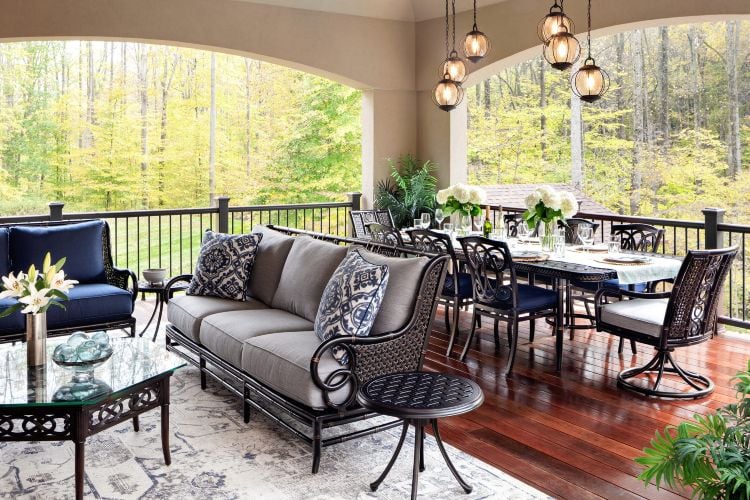
A patio can look expensive in daylight and still feel cold after sunset. That is why Luxury Patio Lighting Ideas matter for homeowners who want the evening hours to feel calm, warm, and worth using. A good outdoor space does not need to shout. It needs to pull people outside after dinner, soften the edges of the yard, and make every chair feel like it was placed there on purpose.
American backyards are carrying more weight now. They host weeknight meals, birthday dinners, quiet coffee breaks, and late talks that run longer than planned. A thoughtful setup also adds the kind of polished detail homeowners notice when browsing trusted home improvement resources like <a href=”https://prnetwork.io/”>outdoor living inspiration</a>. The mistake many people make is treating light like decoration only. It is not. Light shapes comfort, safety, mood, and how long people want to stay outside. Once you understand that, your patio stops being a leftover slab behind the house. It becomes an evening room with open air.
Luxury Patio Lighting Ideas That Shape Mood Before Style
The best patios do not begin with fixtures. They begin with feeling. A homeowner in Phoenix may need soft shade-friendly glow after a hot day, while someone in Vermont may want warm pools of light that make a cool night feel inviting. The fixture comes later. Mood comes first.
Start With the Feeling You Want After Sunset
A patio should not feel like a restaurant parking lot. Bright overhead lighting may help you see, but it often kills the whole reason people go outside at night. You want faces to look softer, food to look warmer, and corners to feel calm instead of forgotten.
This is where outdoor lighting design becomes less about buying products and more about reading the space. A narrow townhouse patio may need low wall lights and one warm pendant near the table. A wide suburban patio may need several soft zones so the seating area, grill, and walkway each feel separate without looking chopped apart.
The counterintuitive move is to use less light than you think. Most people over-light patios because they are afraid of shadows. A little shadow is not the enemy. Flat brightness is. Shadows give depth, and depth makes a patio feel richer than the price tag on the fixture.
Use Warmth Instead of Brightness as the Anchor
Warm light works because it speaks the same language as candles, fire pits, and sunset. That does not mean every bulb should look orange. It means the patio should avoid harsh blue-white tones that make stone, wood, and skin look tired.
For most homes, bulbs in the warm white range create a better evening setting. A Dallas homeowner with limestone pavers, black metal furniture, and olive trees can make the entire patio feel softer by choosing warm wall sconces instead of cooler security-style bulbs. The materials stay the same, but the mood changes fast.
Brightness still matters near steps, gates, and cooking zones. The trick is to place stronger light where tasks happen and softer light where people relax. Nobody wants to guess whether the burger is cooked. Nobody wants a spotlight in their eyes while holding a drink either.
Layering Light So the Patio Feels Designed, Not Decorated
Once the mood is clear, the next move is layering. A single fixture rarely carries a patio well. It may light the area, but it will not give it rhythm. Layered light lets the patio feel finished from every angle, even when the furniture is simple.
Mix Overhead, Eye-Level, and Low Lighting
Good patio lighting works like a quiet conversation between heights. Overhead lights set the general glow. Eye-level lights make walls, fences, and planters feel alive. Low lights guide feet and shape the ground without stealing attention.
Patio string lights are often the easiest starting point, but they should not carry the whole space alone. Hung too low, they feel cramped. Hung too high, they disappear. The sweet spot depends on the patio, yet the goal stays the same: create a soft ceiling without turning the yard into a carnival booth.
Low lights bring the surprise. Small step lights, path lights near planters, or under-bench lighting can make an ordinary concrete patio feel far more expensive. A family in Ohio with a basic fenced patio could add low planter lights along the back edge and suddenly make the fence feel intentional instead of plain.
Let Each Zone Have Its Own Purpose
A luxury patio usually fails when every corner receives the same treatment. The dining area needs one kind of light. The lounge area needs another. The path to the yard needs another. When those zones blend too much, the patio feels unclear.
A dining table can handle a stronger focal glow, especially under a pergola. A lounge chair wants softer side lighting from a lantern, sconce, or nearby planter. A walkway needs enough light for safety, but it should not compete with the seating area.
Backyard ambiance grows from these quiet differences. You do not need ten expensive fixtures. You need each light to know its job. One pendant over the table, two sconces near the door, and a few low path lights can feel more refined than a patio packed with random glowing objects.
Choosing Fixtures That Match Real Life, Not Showroom Photos
Pretty lighting can still be wrong. A fixture that looks perfect online may glare into your eyes, rust by the second summer, or collect bugs in every corner. Luxury at home is not about fragile beauty. It is about beauty that survives normal use.
Pick Materials That Handle Your Climate
American weather is not one thing. Coastal homes fight salt air. Midwest homes deal with freeze-thaw cycles. Southwestern patios face long sun exposure. A fixture that works in San Diego may age badly in Michigan if the finish and rating are wrong.
Landscape lighting should be chosen with the ground and weather in mind. Brass, powder-coated aluminum, stainless steel, and sealed fixtures often perform better than thin decorative pieces made for occasional use. The upfront cost may sting, but replacing cheap lights every season costs more in the end.
One overlooked detail is how the fixture looks during the day. Patio lights spend more hours turned off than on. A bulky plastic path light may glow fine at night and still cheapen the patio every afternoon. Better fixtures earn their place both ways.
Avoid Fixtures That Create Glare
Glare is the fastest way to make an expensive patio feel uncomfortable. It happens when the bulb is exposed, aimed poorly, or too bright for the setting. People may not name the problem, but they feel it. They squint, move seats, or stop using the space.
A shaded sconce can light a wall without punching the eye. A lantern with frosted glass can warm a table without creating sharp reflections. A path light with a hood can guide steps while keeping the beam low. Small details like these separate comfort from decoration.
Outdoor lighting design also needs restraint around reflective surfaces. Glass tabletops, glossy tile, and stainless grill lids can bounce light in awkward directions. Test lights at night before final placement whenever possible. Daytime planning only tells half the truth.
Building Evening Comfort With Safety, Control, and Texture
Comfort is not only mood. It is also the confidence that guests can walk safely, the lights can adjust when the night changes, and the patio feels alive without feeling busy. This final layer turns a nice setup into one people use again and again.
Make Safety Feel Natural, Not Clinical
Safety lighting often looks harsh because homeowners treat it like a separate system. A bright floodlight over the back door may help with security, but it can flatten the patio in seconds. Better safety lighting blends into the same visual language as the rest of the space.
Steps should have clear edges. Changes in level should be readable. Grill zones need clean visibility. Gates, side yards, and paths should never feel like dark gaps. The goal is to remove worry without making the patio feel like a loading dock.
Patio string lights can help with general comfort, but they are not enough for stairs or uneven pavers. Add focused lights where feet need guidance. A soft glow under a step lip or beside a planter can prevent stumbles while still looking calm.
Add Controls That Match the Way Evenings Change
A patio at 7:30 p.m. does not need the same light as a patio at 10:30 p.m. Early evening may call for brighter dining light. Later, the same space may need a lower glow near the chairs and fire feature. Controls make that shift easy.
Dimmers, smart plugs, timers, and separate switches allow the patio to breathe. You can keep path lights on, lower the dining pendant, and let lanterns carry the mood. That flexibility matters more than most people expect.
Backyard ambiance also improves when texture gets attention. Light grazing across brick, wood fencing, stone walls, ornamental grass, or a ceramic planter adds depth without adding clutter. The patio feels richer because the surfaces start participating in the night.
The most refined outdoor spaces are not the ones with the most fixtures. They are the ones where every glow has a reason. A path feels safe. A table feels welcoming. A quiet chair in the corner feels like a place to land. When you plan Luxury Patio Lighting Ideas with that kind of discipline, your patio becomes more than a decorated backyard feature. It becomes the part of the home that makes evenings feel slower, warmer, and more worth protecting. Start with one zone, fix the glare, soften the edges, and let the night do the rest.
Frequently Asked Questions
What is the best lighting for a luxury patio at night?
Warm layered lighting works best for a luxury patio at night. Combine overhead glow, wall lighting, low path lights, and accent fixtures. This keeps the space useful without making it feel harsh. The goal is comfort, not maximum brightness.
How do I make my patio lighting look expensive?
Choose fewer fixtures with better placement. Hide bulbs when possible, avoid glare, and use warm light across key zones. Lighting that highlights stone, plants, wood, and seating areas often looks more expensive than decorative fixtures placed without a plan.
Are string lights good for an upscale patio?
String lights can look upscale when they are hung with care. Keep the lines clean, avoid sagging, and choose warm bulbs. They work best as one layer, not the only source of light across the entire patio.
What color temperature is best for outdoor patio lights?
Warm white light is usually best for patios because it feels calm and flattering. Cooler white light can work near task areas, but it often feels too sharp around seating. A warm tone helps outdoor materials look richer after sunset.
How many lights does a patio need?
The number depends on the patio size, layout, and use. A small patio may need only three or four well-placed lights. Larger spaces need separate lighting for dining, seating, pathways, steps, and landscape accents.
Should patio lights be bright or dim?
Patio lights should be bright enough for safety and tasks, then dim enough for comfort where people sit. Strong light belongs near grills, stairs, and doors. Softer light belongs around chairs, tables, plants, and conversation areas.
What outdoor lights are best near a fire pit?
Low, warm lights work best near a fire pit because the fire already provides movement and glow. Use path lights for safe walking and soft side lighting for nearby seating. Avoid bright overhead fixtures that compete with the flame.
How can I light a patio without wiring?
Use solar path lights, battery lanterns, rechargeable table lamps, and plug-in string lights where outlets exist. Smart outdoor plugs can add control without major electrical work. For permanent results, wired fixtures still offer the cleanest long-term setup.