

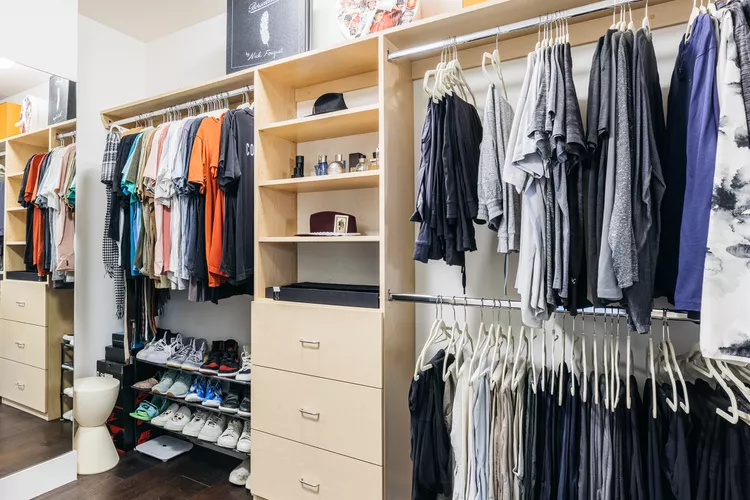
A beautiful closet can change the way a morning feels before you even choose an outfit. Premium dressing is not about owning more clothes; it is about giving every jacket, shoe, watch, bag, and mirror a place that makes getting ready feel calm instead of rushed.
For many American homeowners, the walk-in closet has moved beyond storage. It has become a private dressing zone, a style station, and sometimes the quietest room in the house. That shift matters because clutter in this space does not stay hidden. It follows you into the day.
The best closets feel personal before they feel expensive. A homeowner in Dallas may need boot storage, climate control, and handbag shelves. Someone in New York may need compact vertical cabinetry that still feels polished. If you want more home style inspiration with a refined eye, premium home design ideas can help you think beyond basic storage and toward rooms that feel intentional.
A strong closet does not shout. It works in silence, then makes you look better for it.
Design the Closet Around How You Actually Get Dressed
A walk-in closet fails when it is designed like a showroom instead of a routine. Pretty shelves mean little if your daily shoes sit on the floor, your work shirts wrinkle in a tight corner, or your jewelry ends up scattered near the sink. The best custom closet design starts with behavior, not cabinetry.
Build Zones Around Daily Movement
Your closet should follow the order of your morning. If you dress for work first, your most-used shirts, pants, belts, and shoes belong near the entry point. Formalwear can live deeper inside the room because it does not need the same daily access.
A family in suburban Chicago might need one side for weekday office clothing and another for weekend layers, coats, and sportswear. That split sounds simple, but it prevents the daily hunt that makes even large closets feel messy. Space only feels rich when it saves motion.
A smart dressing room layout also respects the last step. You need a place to check the full outfit before leaving, not after walking into another room. A mirror near the exit turns the closet into a complete dressing space instead of a storage hallway.
Separate Display From Storage
Open shelves look elegant when they hold the right items. They look chaotic when every folded sweatshirt and spare tote bag fights for attention. Display should be earned by the pieces that add beauty to the room.
Handbags, heels, watches, hats, and folded cashmere can sit in visible areas because they bring shape and texture. Workout clothes, extra denim, travel pouches, and seasonal basics belong behind doors or in drawers. This is where luxury closet storage becomes more about editing than adding.
The counterintuitive move is to hide more than you show. A closet with fewer visible objects often feels more expensive than one packed with designer pieces. Empty breathing space tells the eye that every item has been chosen, not dumped.
Choose Materials That Feel Calm Under Daily Use
A luxury closet gets touched constantly. Doors open, drawers slide, shoes come off shelves, and hands move across handles every morning. Materials need to look refined, but they also need to age well under repeat contact.
Use Finishes That Handle Real Life
Glossy surfaces can look sharp on day one, then show fingerprints by lunch. Matte wood, soft painted finishes, brushed metal, and textured panels often work better in American homes because they hide normal use without looking dull.
A Los Angeles homeowner with natural light pouring into the closet may choose warm oak, linen drawer fronts, and aged brass pulls. A Boston brownstone may call for deeper walnut tones with cream panels to keep the space from feeling heavy. Neither choice is better. The room decides.
Custom closet design should also account for humidity, dust, and cleaning habits. Shoes bring grit. Leather bags need air. Wool coats need space. Materials that demand constant care can turn a dream closet into one more chore.
Add Texture Without Making the Room Busy
Texture gives a closet depth, but too much of it can make clothing harder to read. The goal is a quiet background that lets your wardrobe stand out. Ribbed glass, leather pulls, woven baskets, and soft carpet can add richness without stealing the room.
Closet lighting plays a role here because it changes how finishes behave. A dark wood shelf can feel warm under soft light and harsh under cold light. A cream cabinet can look flat without shadows to shape it.
One unexpected choice is to keep the floor simple. Many people try to make the floor the star, but the closet already has a lot of visual movement from clothes and accessories. A calm floor lets the cabinetry, lighting, and wardrobe carry the room.
Luxury Storage Should Make Choices Easier
The purpose of a premium closet is not to impress a guest who may never enter it. The purpose is to help you make cleaner choices with less stress. That is where Walk In Closet Ideas become practical: every shelf, rail, and drawer should remove a small decision from your morning.
Give Every Category the Right Kind of Space
Shoes need angled shelves or flat cubbies, depending on the collection. Boots need height. Suits need long hanging sections. Knitwear needs shelves or drawers because hangers can stretch the shape. Jewelry needs shallow storage where pieces do not tangle.
A homeowner in Atlanta with a large shoe collection should not sacrifice boot height for another row of heels. A couple in Seattle may need more coat space than open handbag shelves. The right answer changes by climate, profession, and lifestyle.
Luxury closet storage works best when it refuses to treat all items the same. A tie drawer is not a sock drawer. A watch tray is not a junk tray. The difference may feel small until you live with it for a month.
Plan Seasonal Storage Before It Becomes Clutter
Seasonal overflow ruins many closets because it arrives slowly. One winter coat becomes three. Holiday outfits stay in garment bags. Summer sandals linger on the floor long after fall begins. A strong plan gives seasonal pieces a home before they invade the daily zone.
High cabinets can hold labeled bins for off-season clothing, guest linens, or travel accessories. Vacuum bags may work for bulky items, but delicate fabrics need softer care. Clear storage helps when you forget what is inside, though too much clear plastic can cheapen the look.
The quiet trick is to leave empty space from the start. A closet filled to the edge on installation day has already failed. Your wardrobe will change, and the room should be mature enough to absorb that change without looking strained.
Lighting Turns a Closet Into a Dressing Room
Lighting is where many expensive closets lose their soul. Beautiful cabinets under weak ceiling bulbs feel flat. Good lighting makes colors honest, skin tone natural, and textures visible. It also makes the room feel finished before the first hanger goes in.
Layer Light Instead of Relying on One Fixture
A central chandelier may look elegant, but it cannot do the whole job. You need overhead lighting for general brightness, vertical lighting near mirrors, and soft shelf lighting for depth. Each layer serves a separate purpose.
Closet lighting should help you tell navy from black, ivory from white, and warm gray from cool gray. That matters when you are dressing for a client meeting, wedding, or family photo. Bad light makes good clothes look wrong.
A dressing room layout with a vanity needs special care. Face-level lighting beats harsh downlighting because it reduces shadows under the eyes and chin. Anyone who has checked makeup under a ceiling can light knows the problem. The mirror tells the truth only when the light does.
Make the Mirror Area Feel Intentional
A mirror should never feel like an afterthought leaned against a wall. It needs proper placement, clear floor space, and lighting that supports the final check. Full-length mirrors work best when you can step back at least a few feet.
Built-in mirrors on cabinet doors save space, but a framed mirror can make the closet feel closer to a boutique fitting room. In larger homes, a three-way mirror adds function without drama. It helps with tailoring, layering, and proportion.
The surprising detail is sound. A closet with hard floors, glass, and mirrors can echo in a way that feels cold. A rug, upholstered bench, or fabric wall panel softens the room and makes dressing feel more private.
Seating, Surfaces, and Small Rituals Matter
The difference between a closet and a dressing room often comes down to where you pause. A bench, island, tray, or vanity gives the room a human rhythm. Without those pieces, the space may store clothes well but still feel unfinished.
Add a Seat That Earns Its Space
A bench is not only decorative. It gives you a place to put on shoes, lay out tomorrow’s clothes, or pause while deciding between outfits. In a narrow closet, a slim upholstered bench can work better than a bulky ottoman.
American homes with larger primary suites often include an island, but an island should not be automatic. If it blocks movement, skip it. A wall-mounted folding surface or narrow console may serve the room better.
Custom closet design should protect walking paths. You should not turn sideways every time you reach a drawer. Luxury feels generous, and cramped circulation makes expensive millwork feel like a mistake.
Create a Landing Zone for Daily Items
Every closet needs a place for the items that move in and out daily. Watches, sunglasses, wallets, keys, fragrance, cufflinks, and small bags need a controlled landing zone. Without one, they migrate to the nearest random surface.
A shallow tray on a closet island can keep the room polished without making it stiff. Drawer inserts can separate small items without turning the space into a grid. The goal is order that feels natural, not museum-like.
Premium dressing depends on small rituals. The scent you reach for, the watch you choose, the jacket you hang back properly at night — these habits shape the room more than any cabinet finish. Design should make those habits easier to repeat.
Keep the Closet Personal Without Losing Resale Value
A luxury closet should feel like it belongs to you, but it should not become so specific that the next owner sees a renovation bill. This balance matters in the U.S. housing market, especially in areas where primary suite upgrades influence buyer perception.
Choose Personal Details That Can Evolve
Paint, hardware, lighting, rugs, and drawer inserts are easy to change. Permanent cabinetry dimensions, wall removals, and built-in specialty storage are harder to undo. The more permanent the choice, the more flexible it should be.
A Nashville homeowner may love cowboy boot storage, while a Miami homeowner may need more shelves for sandals and linen sets. Both needs are valid, but the core system should adapt later. Adjustable shelves and mixed hanging heights protect future use.
A dressing room layout can still carry personality through art, seating fabric, or a statement mirror. These details add character without locking the room into one owner’s wardrobe. That is the sweet spot.
Think Like a Buyer Without Designing for a Stranger
Resale should guide the bones of the closet, not erase your taste. Buyers notice good lighting, clean storage, and quality drawers faster than they notice hyper-specific features. They want to feel possibility.
Luxury closet storage that supports clothes, shoes, bags, jewelry, luggage, and seasonal items has broad appeal. A wall designed only for one rare collection may not. The strongest closets feel tailored but not trapped.
The best long-term choice is restraint. A room can feel rich with warm cabinetry, layered light, strong mirrors, and quiet order. It does not need loud finishes to prove it cost money.
Conclusion
A closet becomes powerful when it stops acting like a hidden storage zone and starts supporting the way you live. The right choices reduce friction in tiny ways: fewer wrinkled shirts, fewer missing accessories, fewer rushed mornings, fewer outfits that feel almost right but not finished.
Premium dressing grows from that kind of ease. It is not about copying a celebrity closet or filling every shelf with display pieces. It is about creating a room where your clothes, your habits, and your sense of self line up without effort.
Start with your real routine, then build the room around it. Choose materials that age well, lighting that tells the truth, and storage that makes daily choices simpler. Luxury Walk In Closet Ideas only matter when they help you feel more prepared the moment you step out the door.
Make the closet serve the person getting dressed, not the photo someone might take of it.
Frequently Asked Questions
What are the best luxury closet storage features for a walk-in closet?
The best features include adjustable shelves, mixed-height hanging sections, shallow jewelry drawers, angled shoe shelves, built-in hampers, and closed storage for less attractive items. Strong storage should match your wardrobe categories instead of forcing every item into the same type of cabinet.
How much space do I need for a premium dressing room layout?
A comfortable layout needs enough room for clear walking paths, open drawers, and a full-length mirror. Smaller closets can still feel premium with vertical storage, slim seating, and good lighting. The key is circulation, not square footage alone.
What type of closet lighting works best for choosing outfits?
Layered lighting works best. Use overhead light for general brightness, vertical lighting near mirrors, and shelf lighting for depth. Warm but accurate light helps you see fabric color, texture, and outfit balance without harsh shadows or dull corners.
Should a luxury walk-in closet have open shelves or closed cabinets?
A mix works best. Open shelves are ideal for handbags, shoes, hats, and attractive folded pieces. Closed cabinets hide clutter, seasonal items, workout clothes, and extras. Too much open storage can make even an expensive closet look crowded.
How can I make a small walk-in closet feel high-end?
Use full-height storage, soft lighting, matching hangers, clean drawer fronts, and one strong mirror. Keep visible items edited and move overflow behind doors. A smaller closet feels expensive when every inch has a job and nothing looks accidental.
What materials are best for custom closet design?
Matte wood, painted cabinetry, brushed metal hardware, ribbed glass, and durable drawer interiors work well. Choose finishes that hide fingerprints and handle daily use. The best material is the one that looks refined after months of real life.
Is a closet island worth it in a dressing room?
A closet island is worth it only when the room has enough clearance around every side. It can add drawer storage and a useful surface, but a cramped island hurts the whole layout. In tighter rooms, a slim console or bench may work better.
How do I keep a luxury closet organized long term?
Leave some empty space, group items by category, rotate seasonal clothing, and give daily items a fixed landing zone. Organization lasts when the system fits your habits. If storage requires too much effort, clutter will return no matter how beautiful the room looks.