

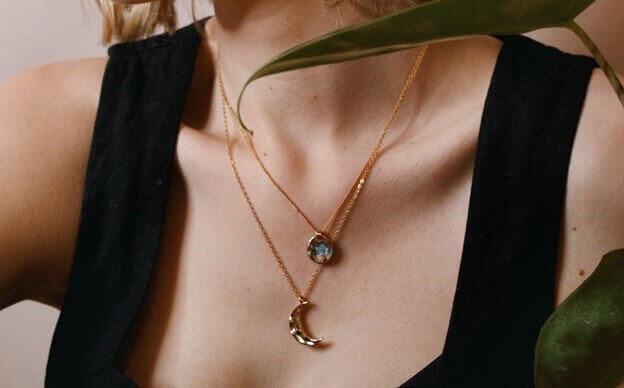
A great outfit can lose its power the second the jewelry starts competing with it. That sounds harsh, but every woman in the United States has seen it happen in an office elevator, a wedding photo, a dinner table reflection, or a dressing room mirror under bad lighting. Good jewelry pairing tips are not about owning more pieces. They are about knowing when a necklace should speak, when earrings should carry the look, and when bare skin is the smartest styling choice in the room.
The best-dressed people rarely look overloaded. They look edited. Their rings, chains, hoops, bracelets, and watches feel connected to the outfit instead of pasted onto it at the last minute. That is the quiet difference between “nice clothes” and true style. When you study style inspiration for modern readers, the strongest looks often have one thing in common: restraint with purpose. Jewelry should not decorate every empty space. It should guide the eye, support the mood, and make the outfit feel finished without begging for attention.
Choosing Jewelry That Matches the Outfit’s Mood
Jewelry works best when it respects the outfit’s emotional tone. A crisp blazer needs a different kind of shine than a soft linen dress. A black evening gown asks for a different answer than jeans, loafers, and a white button-down. The mistake happens when people match jewelry only by color and forget mood entirely.
Why Outfit Energy Matters More Than Price
A $40 pair of clean gold hoops can look richer than an expensive necklace if the energy fits. Price does not save a piece that fights the outfit. A chunky cocktail ring with a relaxed cotton sundress may look forced, while a slim chain and tiny studs may feel easy and exact.
Think about a woman heading to a work lunch in Chicago wearing tailored navy pants, a cream blouse, and pointed flats. Heavy rhinestone earrings would shift the outfit toward evening. Small pearl drops or a fine gold bracelet keep the tone calm, capable, and polished. The jewelry supports the message instead of changing it.
This is where elegant outfits become less about formality and more about control. A casual outfit can feel elegant if every piece seems intentional. A dressy outfit can feel messy if the jewelry adds noise in the wrong places.
How to Read Fabric Before Picking Metal
Fabric tells you how much shine the outfit can handle. Matte fabrics like cotton, wool, suede, and linen usually welcome a little glow because they create a quiet surface. Satin, sequins, patent leather, and metallic fabrics already reflect light, so jewelry needs to step back.
A black satin slip dress for a rooftop dinner in Los Angeles may need only long earrings and one slim ring. Add a sparkling necklace, stacked bracelets, and glittering heels, and the outfit starts to feel crowded. The dress was already doing the light work.
Texture also matters. Ribbed knits, tweed jackets, and denim can handle everyday accessories with more shape because the fabric has weight. A structured cuff, a thicker chain, or sculptural hoops can balance the surface. Soft chiffon or silk usually needs finer lines so the jewelry does not look too hard against the fabric.
Using Jewelry Pairing Tips to Balance Necklines and Proportions
The neckline decides more than most people admit. It controls where the eye lands first, how much skin is visible, and whether a necklace helps or harms the outfit. Once you understand that, simple jewelry becomes easier to choose because the clothes are already giving instructions.
What Necklace Shape Works With Each Neckline?
A V-neck usually looks best with a pendant that follows the same downward line. The necklace does not have to sit deep, but it should echo the shape. A round neckline works better with shorter chains, small pearls, or collar-style pieces that sit above the fabric rather than fighting the curve.
Button-down shirts offer more room to play. A fine chain tucked into an open collar feels relaxed, while a short statement necklace under a crisp collar can look sharp for dinner or a gallery event. The trick is not to fill every gap. Let the neckline breathe.
Turtlenecks are different. They cover the neck, so tiny necklaces often disappear or look trapped. Long chains, pendant necklaces, or bold earrings usually work better. A black turtleneck with straight-leg jeans and a long gold pendant can look clean, adult, and confident without trying too hard.
Why Earrings Sometimes Beat a Necklace
Some outfits look stronger with no necklace at all. That choice can feel strange at first because many people treat necklaces as the default finishing piece. Yet bare space around the collarbone can look expensive when the earrings carry the focus.
Off-the-shoulder tops, halter dresses, high-neck gowns, and detailed collars often benefit from earrings instead of neck jewelry. A pair of drop earrings can frame the face while leaving the outfit’s neckline untouched. This is especially useful for weddings, holiday dinners, and formal work events where the clothing already has shape.
A practical example: a woman wearing a high-neck emerald dress to a Boston charity dinner does not need a necklace. Crystal studs or slim gold drops will do more for her face and less damage to the dress. The strongest styling move is sometimes the piece you leave in the drawer.
Building a Jewelry Wardrobe That Works Every Day
A smart jewelry collection does not need to be huge. It needs range. Most people wear the same five outfits in rotation with small changes, so the right jewelry should move between work, errands, dinner, travel, and weekend plans without looking out of place.
The Core Pieces That Earn Their Space
Start with pieces that do not depend on trends. Small hoops, simple studs, a slim chain, a slightly longer pendant, a clean bracelet, and one watch can cover most outfits. Add one bold ring or sculptural earring, and you have enough contrast for dressier moments.
Simple jewelry succeeds because it works with more than one mood. A pair of gold hoops can soften a blazer, sharpen a sweater, and finish a summer dress. A small diamond-like stud can work at the office, at brunch, or at a school event without needing explanation.
The best everyday accessories also survive real life. They do not snag every knit, clash with every neckline, or make typing uncomfortable. A bracelet that looks gorgeous but annoys you by noon will not become part of your style. Comfort is not a small detail. It decides what you actually wear.
How to Mix Metals Without Looking Accidental
Mixed metals can look refined when they seem intentional. The easiest method is to repeat each metal at least twice. Gold earrings with a silver bracelet may look random. Gold earrings, a gold ring, a silver watch, and a silver pendant look planned.
One bridge piece helps even more. A two-tone watch, mixed-metal ring, or chain with both silver and gold gives the whole look a reason. This works well for American workwear because many people already wear silver tech watches, gold wedding bands, or mixed hardware on handbags.
Keep the outfit calm when metals mix. A white shirt, black trousers, denim jacket, or neutral knit lets the jewelry combination feel modern instead of busy. If the clothing already has loud prints, bright colors, and shiny buttons, mixed metals may feel like another argument.
Styling Jewelry for Real Settings, Not Perfect Photos
Jewelry has to live in motion. It should work when you sit, talk, drive, hug someone, hold a coffee, or walk into a meeting. A look that only works in a still photo may not serve you in real life, and style should never feel like babysitting your accessories all day.
Office, Dinner, and Weekend Rules That Actually Help
For the office, choose jewelry that supports authority without adding distraction. Studs, small hoops, fine chains, watches, and simple rings usually work well. In a corporate setting in New York or Dallas, noisy bracelets can become annoying in meetings, especially if you type or gesture often.
Dinner gives you more room. You can trade studs for drop earrings, add a stronger ring, or wear a necklace with more shape. Evening lighting softens shine, so jewelry that feels bold in daylight may look balanced at night. Still, choose one focus point. Earrings, necklace, wrists, or rings. Not all at once.
Weekend outfits call for ease. Denim, sneakers, cardigans, sundresses, and relaxed sets look better with jewelry that feels lived-in. Small hoops, layered chains, beaded bracelets, or one signet-style ring can make casual clothes look finished without making them feel dressed up against their will.
When Less Jewelry Makes the Outfit Look Richer
The quietest styling secret is that less can look richer when the clothes are already strong. A sharp blazer, clean trousers, silk scarf, leather belt, or tailored coat may need only one jewelry moment. Adding more can pull the outfit away from confidence and toward effort.
This matters most with polished style because polish depends on editing. The eye should know where to land. If earrings, necklace, belt buckle, watch, rings, bag chain, and shoe hardware all compete, the outfit loses its center.
Try the mirror test before leaving. Remove one piece, then look again. If the outfit feels calmer, keep it off. If the look feels unfinished, put it back. That small pause builds better taste faster than buying another tray of accessories.
Conclusion
Jewelry should make your outfit feel more like you, not more like a display case. The strongest looks come from choices that respect proportion, mood, fabric, setting, and comfort. Once you understand those pieces, styling becomes less stressful because you stop asking, “What can I add?” and start asking, “What does this outfit need?”
That shift is where jewelry pairing tips become useful beyond special occasions. They help you dress for a normal Tuesday, a family wedding, a client meeting, or a weekend dinner without second-guessing every chain and earring. You learn when to repeat metal, when to skip a necklace, when earrings should lead, and when a plain bracelet says enough.
Start with the pieces you already own. Lay them beside the outfits you wear most, remove anything that feels loud for the wrong reason, and build from there. Better jewelry style is not about more sparkle. It is about sharper choices.
Frequently Asked Questions
What jewelry goes best with elegant outfits for everyday wear?
Small hoops, fine chains, clean studs, slim bracelets, and simple rings work best for daily elegance. These pieces add polish without taking over the outfit. Choose jewelry that matches your clothing’s mood, not only its color, and keep one clear focal point.
How do I match jewelry with different necklines?
Follow the shape of the neckline. V-necks pair well with pendants, crew necks suit shorter chains, and turtlenecks often need longer necklaces or bold earrings. If the neckline has detail, skip the necklace and let earrings frame your face instead.
Can I wear gold and silver jewelry together?
Gold and silver can look stylish together when the mix feels planned. Repeat each metal at least twice, or use one two-tone piece to connect them. Keep the outfit simple so the mixed metals look intentional rather than random.
What jewelry should I wear to work?
Work jewelry should feel polished and comfortable. Small hoops, studs, a watch, a fine chain, and one or two rings usually work well. Avoid noisy bracelets or oversized earrings if they distract during meetings, typing, or client conversations.
How many jewelry pieces are too many?
Too many pieces usually means the eye has nowhere to rest. A strong outfit often needs one main jewelry focus and one supporting detail. Try earrings with a ring, or a necklace with a bracelet, instead of filling every visible space.
What jewelry makes casual outfits look more polished?
Gold hoops, layered fine chains, a clean watch, or a simple bracelet can upgrade jeans, sweaters, T-shirts, and casual dresses. The goal is not to make the outfit formal. The goal is to make it look finished and intentional.
Should earrings match the necklace exactly?
Exact matching is not required. Earrings and necklaces should feel related through metal, shape, mood, or scale. Matching sets can work, but they sometimes feel dated. A softer mix often looks more natural and personal.
How do I choose jewelry for a special event?
Start with the outfit’s neckline, fabric, and level of shine. Formal clothing often needs less jewelry than expected. Choose one standout piece, such as earrings or a necklace, then keep the rest quiet so the whole look feels balanced.