

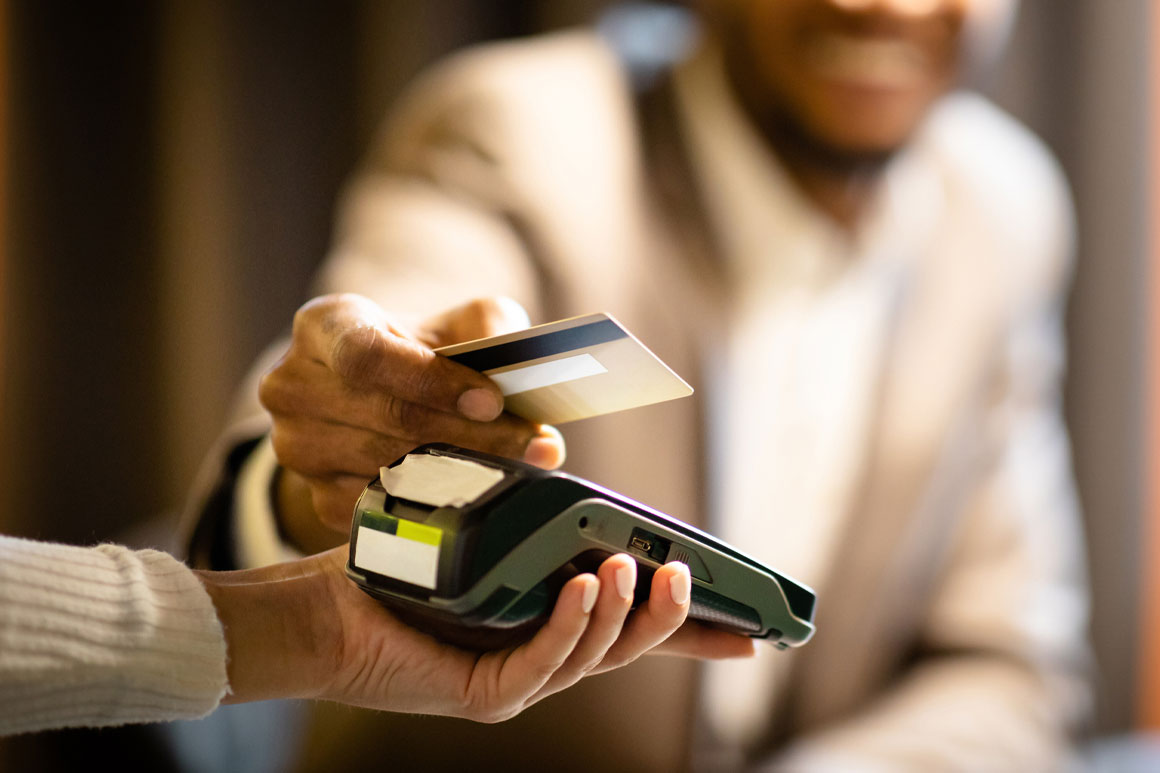
A credit card can feel harmless until one loose month turns into six months of cleanup. Responsible credit card habits matter because most money trouble does not begin with one giant purchase; it starts with small choices that feel normal at the time. A dinner here, a gas fill-up there, a subscription you forgot, then the statement lands with a number that does not match your memory.
For many Americans, plastic is part of daily life, not a backup plan. That is why safer spending has to feel practical, not strict or scary. The goal is not to fear credit cards. The goal is to make each swipe fit inside a money system you already control. A person building a household budget, reading guides from a trusted business resource, or comparing everyday financial choices through platforms like smart personal finance insights needs habits that work on a Tuesday afternoon, not only during a perfect planning session.
The strongest credit card users are not the ones with the highest limits. They are the ones who know where their money is going before the bank reminds them.
Responsible Credit Card Habits Start Before the Swipe
Good credit behavior begins before you tap the card at checkout. The mistake many people make is treating the card as the decision point, when the decision should already be settled in the budget. A credit card should confirm a choice, not create one.
Connect Every Purchase to Real Cash
A credit card is not extra income. It is a payment tool tied to money you already have or money you have already planned to receive. That difference sounds small, but it changes everything about how you spend.
Someone earning $4,000 a month in Ohio, Texas, or Florida can still feel broke with a $12,000 credit limit. The limit may look generous, but the paycheck still decides what is safe. A card issuer may approve a number based on credit profile, not comfort, rent, groceries, insurance, child care, or car repairs.
The practical move is simple: before a charge goes on the card, know which cash category will pay it off. Groceries come from grocery money. Gas comes from transportation money. A birthday gift comes from gifts or personal spending. When every swipe has a home, the card stops feeling like a mystery bill.
Separate Convenience From Permission
Credit cards make payment easy, and that ease can trick the brain. A purchase that would feel painful with cash may feel soft with a card because nothing leaves your hand right away. That delay creates space for denial.
A smart rule is to ask one blunt question before nonessential spending: would I still buy this if the money left my checking account today? If the answer is no, the card is not helping. It is hiding the cost.
This shows up often with online shopping. A $48 hoodie, a $19 phone case, and a $32 kitchen gadget may not feel connected. On the statement, they become one ugly cluster. Convenience helped you buy faster, but it did not make the purchases smarter.
The counterintuitive truth is that credit cards are safer when they feel slightly less convenient. Adding a pause, checking your budget, or leaving the card out of a shopping app can save more money than chasing another tiny reward percentage.
Build Safer Spending Around Limits, Not Rewards
Rewards get the attention, but limits protect the household. Cash back, points, and travel perks only help when the balance is paid in full. If interest enters the picture, the reward usually becomes background noise.
Treat the Credit Limit as a Warning Sign
A credit limit is not a spending target. It is closer to a guardrail, and even guardrails should not be touched every month. The healthiest users often keep balances far below what they could borrow.
Credit limit management works best when you create your own private limit. A card may allow $8,000, but your household limit might be $900 because that is what you can pay before the due date without stress. Your number matters more than the bank’s number.
This habit also helps your credit profile. High balances can make you look stretched, even if you plan to pay later. Keeping usage modest gives you room to handle life without looking financially cornered.
A family in Arizona might put utilities, groceries, and gas on one card for tracking. That can work well if the monthly total stays inside a set ceiling. The trouble begins when the same card absorbs school clothes, car tires, concert tickets, and dinner runs with no fresh limit attached.
Make Rewards Earn Their Place
Rewards should follow your plan, never lead it. A 2% cash-back offer does not justify buying a $600 item you did not need. That reward is twelve dollars before interest, fees, or regret enter the room.
The best use of rewards is boring, which is why it works. Put planned spending on the card, pay it off fully, then let the rewards reduce a future bill or build a small savings cushion. No drama. No spending chase.
Travel points create a special trap because they feel like progress toward a dream. A vacation sounds better than a spreadsheet, so people stretch purchases to “earn” a trip. Then they carry a balance and pay interest that costs more than the future flight.
Debt-free spending gives rewards a clean role. The card becomes a tool for purchases you would have made anyway. That is where points and cash back make sense, because the reward sits on top of discipline instead of covering for impulse.
Turn Monthly Statement Review Into a Money Reset
A statement is not a punishment. It is a map. The problem is that many people only look at the payment due, then miss the spending patterns hiding in plain sight.
Read the Statement Like a Story
Monthly statement review should show more than a total. It should reveal the kind of month you lived. The card tells you where stress showed up, where habits slipped, and where convenience replaced planning.
Start by scanning categories. Restaurants, delivery apps, gas stations, pharmacies, subscriptions, grocery stores, and online marketplaces each say something different. One high grocery month may reflect inflation or guests at home. A high delivery month may reflect exhaustion, late workdays, or poor meal planning.
This is where judgment gets in the way. People avoid statements because they expect shame. A better approach is curiosity. The statement is not calling you careless. It is showing you where your plan failed to match real life.
A nurse working long shifts in Pennsylvania might see fast-food charges climb every week. The answer is not a lecture about cooking. The answer might be keeping two ready meals at home, packing snacks, or setting a smaller dining limit that respects her schedule.
Catch Quiet Leaks Before They Become Debt
Small recurring charges are sneaky because they do not ask for permission every month. Streaming services, cloud storage, fitness apps, delivery memberships, and trial subscriptions can drain a card without creating a clear memory.
Monthly statement review catches those leaks. Circle every charge you did not expect, then decide whether it stays. One unused $14.99 subscription is not a crisis. Five of them become a bill you never meant to create.
Another quiet leak is the “I’ll pay it next week” balance. It starts with confidence, then collides with a medical bill, a school fee, or a car repair. The balance rolls over once, interest appears, and the card begins working against you.
This is why paying attention beats optimism. Optimism says next month will be easier. The statement says what happened this month. Trust the document, then adjust the plan.
Use Payments as Protection, Not Damage Control
Payment habits decide whether a credit card helps or hurts. The swipe gets attention, but the payment system carries the real weight. A strong payment routine can protect your credit, lower stress, and stop balances from becoming part of your lifestyle.
Pay Before the Due Date Has Power Over You
Waiting until the due date creates pressure you do not need. A payment made earlier in the cycle gives you cleaner information and less room for mistakes. It also reduces the chance of a forgotten bill during a busy week.
Many Americans use autopay, and that can be useful. Still, autopay should not replace awareness. A full-balance autopay works only if the checking account can support it. A minimum-payment autopay prevents late fees, but it can quietly allow debt to grow.
A better setup is layered. Schedule autopay for at least the minimum as a safety net. Then make manual payments during the month after major spending periods. Some people pay every Friday. Others pay after payday. The exact rhythm matters less than the fact that it repeats.
This habit also changes how the card feels. When payments happen often, the balance stays connected to real money. You do not get the false comfort of ignoring the number until the statement closes.
Break the Minimum Payment Mindset
Minimum payments keep the account current, but they are not a payoff plan. They are designed to keep the account alive, not to free you quickly. That is a hard truth, but it is better to face it early.
If you already carry a balance, stop adding new purchases to that card unless there is no safer option. Mixing old debt with new spending makes payoff progress hard to see. Use a debit card or cash for daily spending while you attack the balance.
Debt-free spending becomes easier when you give debt its own lane. Pick one card, one target, and one extra payment amount you can repeat. Even an extra $35 or $50 can build momentum when it happens every month.
The unexpected insight is that confidence often returns before the balance disappears. Once you stop adding to the problem, your brain relaxes. You may still owe money, but the direction has changed, and direction matters.
Train Your Household to Share One Credit Standard
Credit card stress often grows in silence. One person tracks the balance, another person swipes without knowing the plan, and both feel misunderstood by the end of the month. A household does not need perfect agreement on every purchase, but it needs one shared standard.
Create Spending Rules Everyone Can Remember
A rule that needs a spreadsheet every time will fail during real life. Strong household rules are short enough to remember in a store aisle, at a gas pump, or while ordering dinner after a long day.
One rule might be: anything over $100 gets a quick check-in. Another might be: groceries and fuel are fine, but personal shopping waits until Friday. A couple in Georgia may decide that school costs always go on the card, while entertainment must come from checking.
The point is not control. It is clarity. Nobody wants to feel like they need permission to live. Still, nobody wants surprise debt either. Simple rules protect both freedom and trust.
This matters for parents too. Teens and college students who become authorized users need more than access. They need boundaries. A card handed to a student without a spending rule is not financial education. It is a loaded shortcut.
Talk About Mistakes Without Turning Them Into Fights
A missed payment, an impulse buy, or a high balance can trigger blame fast. Blame may feel satisfying for ten seconds, but it rarely fixes the money. It usually makes the next problem more hidden.
A better household response starts with facts. What happened? What category failed? What needs to change before the next billing cycle? The tone matters because shame makes people avoid the statement, and avoidance is where debt grows.
One useful move is to hold a short monthly money check-in after the card statement posts. Keep it under 20 minutes. Review the balance, name one thing that worked, name one thing to adjust, then choose one action.
That rhythm turns credit management into maintenance instead of crisis. It also reminds everyone that the card is not the enemy. The enemy is silence, drift, and pretending a balance will fix itself.
Conclusion
Credit cards reward people who pay attention, and they punish people who run on autopilot. That may sound harsh, but it is also empowering. You do not need a finance degree, a perfect income, or a complicated tracking system to stay in control. You need a few rules that survive normal American life: busy workweeks, rising grocery bills, family pressure, car repairs, and the small temptations that follow you around on your phone.
The real strength of safer spending is that it gives every dollar a job before the card gets involved. Responsible choices become easier when you know your private limit, review your statement, pay before panic starts, and talk honestly with the people who share your money life.
Responsible credit card habits are not about restriction. They are about keeping your future options open. Start with one card, one spending limit, and one weekly payment rhythm, then build from there with patience and nerve.
Choose the next swipe like you will still respect it when the statement arrives.
Frequently Asked Questions
What are the best credit card habits for beginners?
Start with one card, use it for planned purchases only, and pay the full balance each month. Keep your personal spending limit far below the bank’s limit. Beginners should also check transactions weekly so mistakes, subscriptions, or impulse spending do not pile up unnoticed.
How can I avoid credit card debt while still using rewards?
Use rewards only on purchases already in your budget. Pay the full balance before interest applies, and never buy extra to earn points. Rewards work best when they sit on top of normal spending, not when they motivate new spending.
Should I pay my credit card balance before the statement date?
Paying before the statement date can help keep the reported balance lower. It also gives you a clearer sense of what you can afford. Many people make small weekly payments so the balance never grows into a stressful surprise.
Is it bad to use a credit card for everyday purchases?
It is not bad when the purchases are planned and paid off fully. Groceries, gas, and bills can be fine card expenses. Trouble starts when everyday purchases become a way to cover cash shortfalls instead of tracking normal spending.
How much of my credit limit should I use each month?
Lower usage is usually safer. Many people aim to keep balances well below their total limit, even if they can technically spend more. Your private limit should be based on what you can pay comfortably, not what the card issuer allows.
What should I check on my monthly credit card statement?
Look for unfamiliar charges, subscription renewals, interest, fees, category spikes, and spending that does not match your budget. The statement should show patterns, not only a payment amount. Treat it as a monthly reset for better decisions.
Are minimum payments enough to protect my credit?
Minimum payments can help avoid late marks, but they are not enough to stay financially healthy if you carry debt. Interest can keep the balance around for a long time. Paying more than the minimum should become the real goal.
How can families manage shared credit card spending?
Set simple rules before spending happens. Decide which purchases are allowed, which need a quick check-in, and when the balance gets reviewed. A short monthly conversation can prevent surprise charges from turning into arguments or long-term debt.