

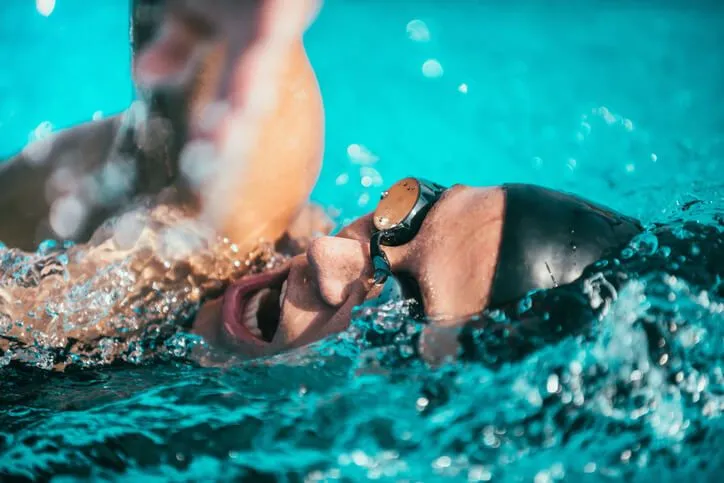
Most new swimmers do not fail because they lack toughness; they fail because the water punishes wasted effort fast. Once you learn a few practical swimming techniques, each lap feels less like a fight and more like a repeatable pattern your body can trust. That matters in community pools, YMCA lanes, school rec centers, and neighborhood fitness clubs across the USA, where beginners often share space with faster swimmers and feel pressure to keep moving. A smarter start is slower, cleaner, and far less dramatic. Your goal is not to thrash to the wall. Your goal is to understand how breathing, balance, body line, and calm repetition work together. Even a helpful resource hub for active lifestyle growth can point readers toward better habits, but the real change happens when you stop measuring progress only by distance. Easier lap progress starts when you make the water carry more of you, instead of forcing every yard with panic and muscle.
Building Calm Water Confidence Before Speed
The first real skill in swimming is not speed. It is staying composed when your face goes in the water, your ears fill, and your breathing rhythm changes from normal life to pool life. Many adults in the USA learned to “swim” as kids by surviving the deep end, not by understanding control. That history follows them into lap lanes.
Why relaxed floating teaches more than hard kicking
A relaxed float shows you whether your body trusts the water. If your legs sink, your chin lifts, and your chest stiffens, no kick set will fix the real problem. You are trying to stand inside water instead of lying on it.
Start near the wall where your feet can touch. Put your face in, stretch your arms forward, and let your chest feel supported. The odd part is that pressing your chest slightly down can help your hips rise. Many beginners do the opposite because they want air close by.
A swimmer at a local YMCA in Ohio might spend ten minutes floating and feel like nothing happened. Something did. The nervous system learned that the pool is not an emergency. That one quiet lesson can save more energy than a louder workout.
Beginner swimming gets easier when the body stops treating every stroke like a rescue attempt. Calm comes first because technique cannot land on top of panic. You need enough stillness for the lesson to stick.
How wall drills remove fear from the first lap
Wall drills are underrated because they look too simple. That is exactly why they work. The wall gives you a reset button, and beginners need that more than they need another breathless lap.
Hold the wall, place your face in the water, blow bubbles slowly, then turn your head to breathe. Do not lift your whole face. Turn as if one goggle stays near the water. This small habit becomes gold later.
After that, push off lightly and glide for a few seconds. Stand up before you feel desperate. Ending the drill before panic arrives teaches control. Waiting until panic wins teaches the wrong lesson.
The counterintuitive truth is that shorter attempts build longer swims. A clean ten-foot glide can teach more than a sloppy twenty-five-yard struggle. The pool remembers your habits, not your intentions.
Learning Swimming Techniques That Save Energy
Once you feel calmer, the next step is to stop spending energy in the wrong places. Many beginners kick harder, pull wider, and breathe later because they believe more effort means more movement. Water does not reward effort that leaks in every direction.
What body position changes during freestyle basics
Freestyle basics begin with body line. Your head should not act like a lookout tower. When you lift it, your hips drop, your legs drag, and your kick turns into damage control.
Look down and slightly forward. Keep the back of your neck long. Your body should feel like one connected shape, not separate parts arguing with each other. A clean line lets each stroke move you farther with less strain.
In a busy LA Fitness lane, this makes a visible difference. The beginner who keeps lifting to check the wall often tires halfway down. The swimmer looking down may move slower at first, but they arrive with more air left.
Easier lap progress often comes from removing drag, not adding power. That feels strange because land sports reward force. In water, silence usually means efficiency.
Why smaller kicks beat frantic kicks
A beginner kick should stay narrow and steady. Big splashes feel productive, but they often bend the knees too much and push water downward instead of backward. That burns the thighs and gives little return.
Think of the kick as a small motor behind the body. Loose ankles help. Straight but not locked legs help too. The movement starts from the hips, while the knees stay soft enough to follow.
Swim breathing practice becomes harder when the kick steals all your oxygen. If your legs are racing, your lungs will complain before your arms get a chance to learn. Slow the kick and your breathing often improves within the same session.
This surprises many beginners because they assume legs should do the heavy work. In freestyle, the kick supports balance and rhythm. It does not need to win a fight.
Making Breathing Feel Predictable
Breathing is where most new swimmers lose trust. On land, air is always available. In the pool, air has timing. That single difference makes people rush, lift, twist, and swallow water when they could have stayed calm with a better pattern.
How exhaling underwater prevents the panic breath
The breath does not begin when your mouth reaches air. It begins underwater. If you hold your breath the whole time, you must exhale and inhale during the tiny window when your face turns. That is too much work for one moment.
Blow bubbles while your face is in the water. Keep the exhale steady, not explosive. Then, when you turn to breathe, your mouth only needs to sip air in. This makes the breath quicker and less dramatic.
A beginner at a public pool in Dallas might fix half their stroke by changing only this. The arms look the same from far away, but the swimmer no longer jerks the head up every few strokes. The lap gets quieter.
Freestyle basics become easier when breathing stops interrupting the body line. Your stroke should make room for the breath, not collapse every time you need air.
Why breathing every two strokes can help at first
Many coaches eventually teach bilateral breathing, which means breathing to both sides. That skill matters. Still, a brand-new lap swimmer may do better breathing every two strokes at first, always to the easier side.
This is not a shortcut. It is a stability choice. If breathing every three strokes makes you hold your breath too long, your form may fall apart. Better to breathe more often and stay relaxed.
Later, add short sections where you breathe to the other side. Try four strokes on your comfortable side, then four on the weaker side. Keep it gentle. The goal is coordination, not punishment.
Swim breathing practice should leave you feeling more organized, not more defeated. A good breath gives the next stroke permission to happen. A rushed breath steals that permission.
Turning Laps Into Real Progress
Progress in swimming can be sneaky. You may not feel faster right away, but you begin needing fewer stops. Your shoulders stay calmer. Your breath returns sooner at the wall. Those signs count, even when the clock says nothing impressive yet.
How to structure a beginner lap session
A useful beginner session needs variety without chaos. Start with five minutes of easy wall breathing and floating. Then swim short repeats, such as eight rounds of half a length or one easy length with plenty of rest.
Rest is not failure. Rest is where your brain sorts the last attempt. If you push off while still gasping, you bring the same messy stroke into the next lap.
A simple session at a neighborhood pool in Phoenix might include glide practice, four easy lengths, kickboard work, and a few short freestyle repeats. That is enough. Leaving with one clean improvement beats leaving exhausted and annoyed.
Beginner swimming improves fastest when practice has one main focus. One day can be breathing. Another can be body line. Trying to fix arms, legs, head, and speed all at once turns the pool into noise.
What to measure besides distance
Distance matters, but it should not be the only scoreboard. Count how many strokes it takes to cross the pool. Notice how long you need to rest. Pay attention to whether your first lap and last lap look related.
A swimmer who goes from thirty strokes per length to twenty-four has made progress, even without swimming faster. Fewer strokes often mean better balance and less wasted motion. That is a real win.
You can also track comfort. Did you swallow less water? Did your shoulders feel looser? Did you finish with enough confidence to return tomorrow? These details sound soft until you realize they predict consistency.
Lap progress grows from repeatable wins. The swimmer who comes back three times a week with a calm plan will pass the swimmer who destroys one session and disappears for ten days.
Conclusion
Swimming rewards patience in a way many fitness routines do not. You cannot bully the water for long, and that is what makes it such a useful teacher. The pool gives honest feedback every second. When your head lifts, your hips sink. When your breath tightens, your stroke shortens. When your body relaxes, the lap opens up.
The best beginner plan is not fancy. It is calm floating, steady breathing, narrow kicking, cleaner body position, and short repeats done with attention. Those pieces may look small from the deck, but inside the lane they change everything. Swimming techniques matter because they turn effort into movement instead of exhaustion.
Start with one pool session where your only goal is control. Swim less than you think you should, rest before panic takes over, and leave with one skill you can repeat. That is how confidence becomes distance, and distance becomes a habit worth keeping.
Frequently Asked Questions
What are the best beginner swimming tips for adults?
Start with breathing control, floating, and short distances before chasing speed. Adults often carry tension into the water, so calm practice matters. Use the wall, rest often, and focus on one skill per session instead of trying to fix everything at once.
How often should beginners swim laps each week?
Two to three sessions per week works well for most beginners. That schedule gives your body enough repetition to learn without making each workout feel heavy. Short, focused sessions beat rare long sessions because water confidence improves through steady exposure.
Why do I get tired so fast when swimming freestyle?
You are likely holding your breath, kicking too hard, lifting your head, or pulling with tense shoulders. Freestyle feels exhausting when the body fights the water. Slow down, exhale underwater, and focus on a longer body line before adding distance.
How can I improve swim breathing practice without swallowing water?
Practice at the wall first. Put your face in, blow bubbles, then turn your head sideways for air. Keep one side of your face close to the water. Avoid lifting your head forward because that drops your hips and invites water into the mouth.
Are freestyle basics enough for lap swimming fitness?
Yes, freestyle can build strong lap fitness when you practice it well. You do not need every stroke right away. A cleaner freestyle foundation helps breathing, endurance, shoulder comfort, and confidence before you add backstroke, breaststroke, or longer workouts.
What should I do if my legs sink while swimming?
Look down, relax your neck, and press your chest slightly into the water. That often helps your hips rise. Avoid lifting your head to breathe or look forward. Sinking legs usually come from body position, not weak kicking alone.
How long does easier lap progress usually take?
Many beginners feel small changes within a few sessions, especially with breathing and body position. Clear progress often appears after several weeks of steady practice. The timeline depends on comfort, consistency, and whether you practice skills instead of only swimming until tired.
Should beginners use a kickboard or swim fins?
A kickboard can help isolate the legs, but it may also make some swimmers lift their head too much. Short fins can help body position, but they should not replace skill. Use tools lightly, then return to regular swimming to test real progress.