

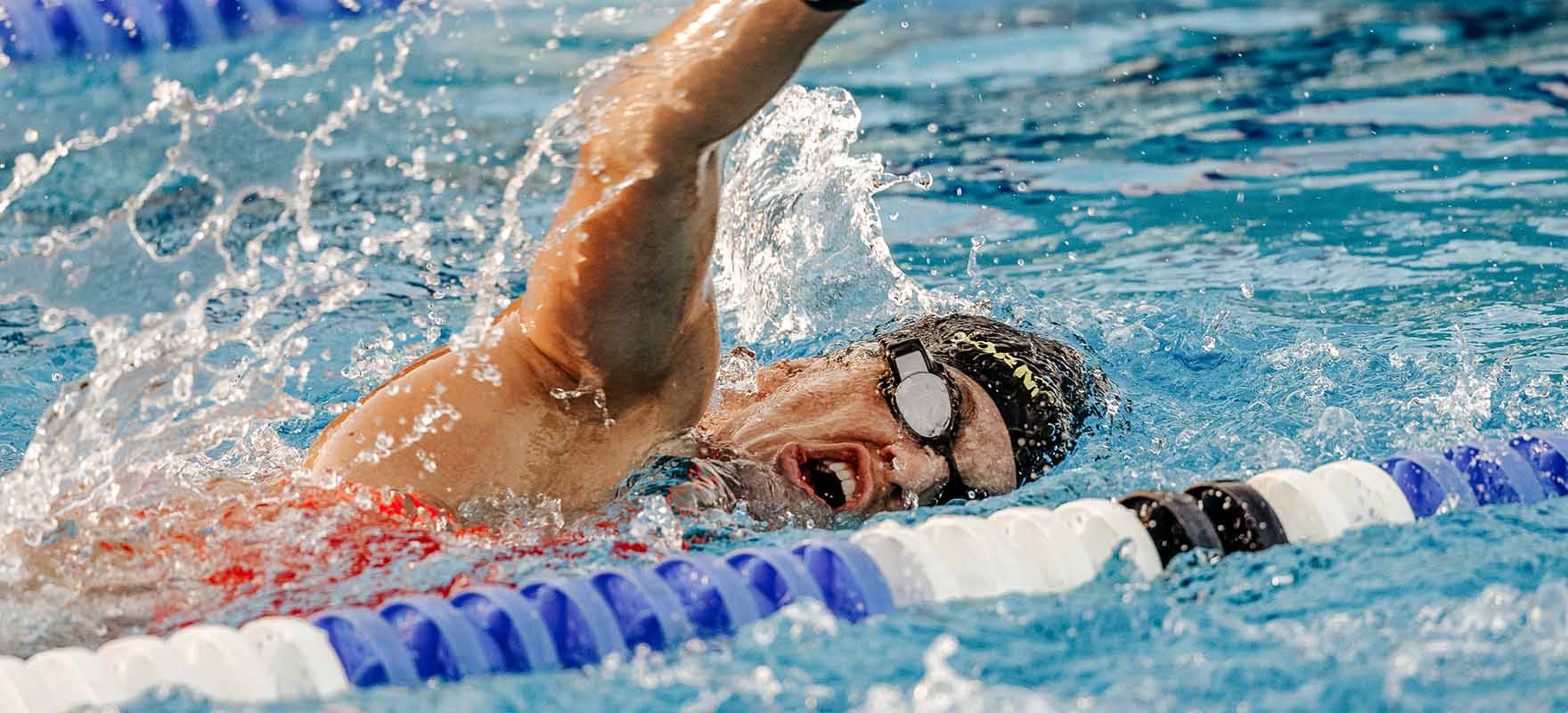
A strong swim often falls apart before your arms or legs get tired. The real problem starts when your breath turns messy, rushed, or panicked halfway down the lane. That is why swimming breathing tips matter for anyone who wants calmer laps, better control, and fewer stops at the wall. Many swimmers in U.S. community pools, YMCA lanes, school pools, and local fitness centers work harder than they need to because they treat breathing like a side habit instead of a skill.
Good breathing does not mean grabbing more air. It means building a rhythm your body trusts. A swimmer who breathes late, lifts the head, or holds air too long creates drag, tension, and early fatigue. A swimmer who exhales on time and turns smoothly can move with less fight.
For athletes, weekend swimmers, and adults getting back into the pool, better breathing also fits into a larger approach to active lifestyle improvement. The goal is not to look perfect from the deck. The goal is to swim in a way that feels steady, repeatable, and easier to sustain.
Why Breath Timing Changes the Whole Swim
Breathing in the pool is strange because your face spends most of the lap in water. On land, you breathe whenever your body asks. In the water, timing decides whether each breath helps your stroke or breaks it. That single shift is why many swimmers feel fit on a treadmill but drained after four lengths of freestyle.
A good breath begins before your mouth reaches the air. You prepare for it underwater, where the exhale happens. The inhale should be short, calm, and almost boring. When swimmers wait until the last second to blow air out, the breath becomes a rescue mission instead of a rhythm.
Build a Freestyle Breathing Rhythm Before Adding Speed
Freestyle breathing rhythm works best when it matches your stroke count, comfort level, and lane goal. Many swimmers start with breathing every two strokes because it feels safer. That can work well, especially for beginners or anyone rebuilding confidence after time away from swimming.
Trouble starts when a swimmer copies a pattern without understanding it. Breathing every three strokes sounds balanced because it alternates sides, but it can feel rough if your exhale is weak or your rotation is stiff. A better plan is to choose a pattern you can repeat without panic, then improve from there.
A swimmer at a local LA Fitness pool might begin with two-stroke breathing for six relaxed laps. Once that feels calm, they can add one length of three-stroke breathing at the end. That small test teaches control without turning the session into punishment.
Stop Holding Air Like It Is Fuel
Holding your breath underwater feels natural at first. It is also one of the fastest ways to feel trapped during a swim. Air sitting in your lungs is not helping if it makes the next inhale late and frantic.
The better move is a steady underwater exhale. Some swimmers do well with a soft stream through the nose. Others prefer a slow mouth exhale. The method matters less than the timing, because the lungs need space before the mouth turns toward air.
Here is the odd part: breathing out sooner often makes you feel as if you have more air, not less. That sounds backward until you feel it happen. When old air leaves early, the next inhale becomes small and clean. The body stops fighting for a giant gasp.
Swimming Breathing Tips That Reduce Drag
Breathing problems rarely stay in the lungs. They show up in the head, hips, shoulders, and kick. A late breath can lift the head. A lifted head can sink the hips. Sinking hips make the kick work harder, and the swimmer blames fitness when the real issue was a breath taken at the wrong angle.
This is where technique saves energy. You do not need a race-level stroke to feel the change. You need a cleaner line, a smaller head turn, and enough body rotation to bring the mouth to air without yanking the neck.
Keep One Goggle Low During the Breath
A clean breath should feel like a side turn, not a head lift. One simple cue works for many swimmers: keep one goggle in the water as you inhale. This keeps the face low and stops the chin from climbing forward.
When the head rises, the lower body drops. That creates drag that even a strong kick cannot fully erase. Many adult swimmers in rec center pools make this mistake because lifting the head gives a short feeling of safety. The pool punishes it within seconds.
Try this during an easy lap: turn to breathe and notice whether you can still see the lane line from the lower eye. If both eyes leave the water, the head probably came too high. A smaller turn may feel risky at first, but it often gives a smoother breath once the body learns the angle.
Let Rotation Bring the Air to You
Swim breathing technique improves when the body rotates enough to make breathing easier. The head should not do all the work. Your shoulders and torso should roll as part of the stroke, creating a side pocket where the mouth can reach air.
Many swimmers think rotation is a fancy detail. It is not. Rotation is the reason a breath can happen without breaking the stroke. A flat swimmer must twist the neck and lift the head, while a rotating swimmer can turn less and breathe sooner.
A useful drill is the side-kick drill with one arm extended. Kick gently on your side, face down, then rotate enough to breathe. This teaches the body that air lives to the side, not in front. It also exposes a weak kick fast, which is useful feedback rather than bad news.
Training Your Body to Stay Calm Underwater
Breath control in swimming has a mental side that gets ignored too often. The body reads water on the face as pressure. Add effort, noise, splashing, and a crowded lane, and even a capable swimmer can feel rushed. Calm breathing is not only technique. It is a nervous system skill.
That does not mean you need meditation before every swim. It means your workouts should include short moments where breathing stays easy on purpose. Speed can come later. Control comes first because panic ruins form faster than fatigue does.
Use Short Repeats to Build Trust
Long laps can teach poor habits when the swimmer is already tense. Short repeats give you space to reset before form falls apart. Instead of forcing 500 yards with bad breathing, swim 25 yards with clean timing, rest, and repeat.
A beginner at a high school community pool might swim eight 25-yard repeats with 20 seconds of rest between each. The goal is not speed. The goal is finishing each length with the same calm breathing used at the start.
This approach builds better lap endurance because the body learns repeatable control. Endurance is not only the ability to suffer longer. In swimming, it is the ability to keep your stroke from falling apart when oxygen demand rises.
Practice Exhale Control Away From Hard Sets
Hard sets are poor teachers for new breathing patterns. When the heart rate climbs, the body returns to old habits. That is why breath practice belongs in warmups, easy drills, and recovery laps.
Use the first five minutes of a swim to focus on slow bubbles and small inhales. Count three strokes, breathe, then reset. Keep the effort low enough that you can notice details instead of surviving the lap.
Breath control in swimming improves faster when you separate learning from testing. Learning happens when the water feels manageable. Testing happens when you raise effort later and see whether the pattern stays intact. Mix those up, and frustration usually wins.
Turning Better Breathing Into Stronger Laps
Once breathing feels calmer, the next step is turning it into performance. That does not mean racing every lap. It means using breath as a pacing tool, a form check, and an early warning system. Your breathing tells you when you are swimming well before the clock does.
Better swimmers listen to that signal. They know when a breath gets noisy, the stroke is probably slipping. They know when the inhale grows too large, the exhale was probably late. Small signs show up before big fatigue arrives.
Match Breathing Patterns to Your Swim Goal
Different sets need different breathing choices. Easy warmups can use relaxed two-stroke breathing. Skill laps can use three-stroke breathing to balance both sides. Faster intervals may return to the side that feels most natural, because clean air matters when effort rises.
Freestyle breathing rhythm should serve the set, not your ego. Some swimmers force bilateral breathing during hard laps because they believe it proves better skill. That can backfire if the pattern makes them tense and sloppy.
A masters swimmer in Chicago might breathe every three strokes during drills, every two strokes during moderate 100s, and use the stronger side during short speed work. That is not inconsistency. That is smart training. The breath pattern changes because the purpose changes.
Use Breathing as a Built-In Form Check
Swim breathing technique gives honest feedback. If you need to lift your head to breathe, your rotation may be too flat. If the breath arrives late, your exhale may be delayed. If every inhale feels huge, your pace may be too hot for the set.
The best swimmers are not calm because every lap feels easy. They are calm because they notice problems early. A rough breath becomes information, not a reason to quit.
Better lap endurance grows when you make these small corrections before the stroke collapses. Slow down for one length. Reset the exhale. Lower the head. Let the next few strokes feel clean again. That tiny adjustment often does more than pushing through another ugly lap.
Conclusion
Better swimming begins when the breath stops fighting the stroke. You do not need a perfect body line, elite lungs, or a private coach to make progress. You need repeatable timing, honest feedback, and enough patience to practice calm laps before chasing faster ones.
The strongest swimming breathing tips are not tricks. They are habits that remove panic from the stroke. Exhale before you turn. Keep the head low. Let rotation help. Choose breath patterns that match the set instead of copying what looks advanced from the next lane.
This is the work that makes swimming feel less like a battle and more like movement you can trust. Each lap becomes cleaner because your body knows what happens next. That confidence matters for fitness swimmers, adult beginners, triathlon hopefuls, and anyone using the pool to build health in a low-impact way.
Start with one change during your next swim: breathe out earlier than feels normal, then take the smallest clean inhale you can. Build from that, and the lane will start to feel different.
Frequently Asked Questions
What are the best breathing tips for beginner swimmers?
Start by exhaling steadily underwater instead of holding your breath. Turn your head to the side only when you are ready to inhale. Keep the breath small and quick. Beginners improve faster when they swim short, calm lengths instead of forcing long laps with poor form.
How often should I breathe during freestyle swimming?
Many swimmers do well breathing every two strokes at first. Breathing every three strokes can help balance both sides, but it should not create panic. Pick a pattern that lets you stay relaxed, then adjust it based on distance, speed, and comfort.
Why do I get tired so fast when swimming laps?
Early fatigue often comes from poor breathing timing, not weak fitness. Holding air too long, lifting the head, or gasping late can create drag and tension. Once your exhale becomes steady and your head stays low, laps often feel easier.
Should I breathe through my nose or mouth while swimming?
Most swimmers inhale through the mouth because it is faster. Underwater exhaling can happen through the nose, mouth, or both. Choose the method that helps you release air smoothly before the next breath, because timing matters more than the exact route.
How can I stop panicking when my face is underwater?
Use short repeats and easy effort. Push off, exhale slowly into the water, breathe once, then stop before panic builds. Repeating calm moments teaches your body that water on the face is manageable. Confidence grows through small wins, not forced struggle.
Is bilateral breathing better for lap swimming?
Bilateral breathing can help balance your stroke and improve awareness on both sides. It is not always best during hard efforts. Use it during drills and easy laps first. During faster swimming, breathing to your stronger side may keep your stroke cleaner.
Why does my body sink when I turn to breathe?
Your head may be lifting instead of turning sideways. When the head rises, the hips drop and drag increases. Try keeping one goggle in the water during the breath. Also let your body rotate, so the mouth reaches air without a big neck movement.
How long does it take to improve swimming breathing?
Many swimmers feel a difference within a few focused sessions, especially if they practice during easy laps. Lasting change takes longer because old habits return under fatigue. Practice calm exhaling, low head position, and repeatable rhythm every swim for steady progress.