

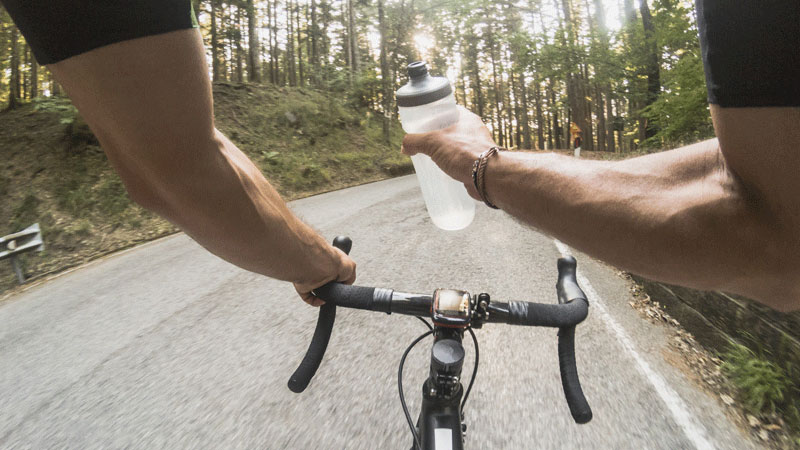
Most people blame tired afternoons on poor sleep, stress, or another overloaded schedule. Those things matter, but hydration tips often get ignored until the body starts sending louder signals through headaches, sluggish thinking, dry mouth, muscle tightness, or that heavy feeling that makes simple tasks feel harder. For many Americans, the problem is not that they never drink water. The problem is that they drink it randomly, often after coffee, salty meals, long drives, workouts, or hours inside dry office air have already pulled them behind. A smarter approach starts with noticing how your day actually works, not chasing some perfect number from a chart. Your body loses fluid while you breathe, sweat, digest food, sit under air conditioning, and move through ordinary errands. Good hydration supports steady energy because it helps blood flow, temperature control, digestion, and muscle function work with less strain. For broader wellness habits that fit into busy daily life, resources like healthy lifestyle guidance can help you think beyond quick fixes and build routines that hold up when life gets crowded.
Why Water Timing Matters More Than Most People Think
Hydration is not a one-time task you finish by chugging a large bottle at noon. Your body handles fluid better when intake is spread across the day, especially when your schedule includes coffee, commuting, gym time, school pickup, or long hours at a desk.
Start Before Thirst Gets Loud
Thirst is useful, but it is not always early. Many people in the USA start the day already a little behind because they slept for seven or eight hours without fluid, then drink coffee before water. That pattern can make the morning feel sharper for a short stretch, then shaky or flat by late morning.
A better first move is simple. Drink water after waking, before coffee owns the room. You do not need to force a giant glass. A steady serving with breakfast gives your body a cleaner start, especially if breakfast includes toast, eggs, cereal, or another food that needs fluid for smooth digestion.
The counterintuitive part is that morning hydration can help you avoid overdrinking later. When people skip early fluids, they often compensate with a large bottle in the afternoon. That can leave them running to the bathroom without feeling much better. Earlier water gives the body time to use it.
Pair Fluids With Daily Energy Dips
Many people feel a slump between 2 and 4 p.m. and reach for another coffee or a sweet snack. Sometimes that works for an hour. Often, it only hides a basic fluid gap that has been growing since lunch.
A practical habit is to drink water before the slump arrives. Keep a bottle near your laptop, in your car cup holder, or beside your kitchen counter. The point is not perfection. The point is making water visible before your attention gets pulled somewhere else.
A real example is the office worker who eats a salty deli sandwich, takes calls for three hours, then wonders why their head feels tight. That person may not need a dramatic diet change that day. They may need water with lunch, then a smaller follow-up drink before the afternoon meeting stack begins.
Effective Hydration Tips for Daily Water Intake
Daily water intake should match your body, food, weather, movement, and routine. A construction worker in Texas, a nurse in Chicago, and a remote worker in Oregon do not have the same fluid needs, even if a wellness chart tries to flatten them into one neat rule.
Read Your Routine Before Counting Cups
A common mistake is treating daily water intake like a fixed contest. People hear a number, aim for it, miss it, then quit. A better approach is to look at your real day and build from there.
Hot weather, high-sodium meals, exercise, alcohol, air travel, and dry indoor heat all raise your need for fluid. Fresh fruits, soups, yogurt, smoothies, and vegetables can add fluid too. That means your hydration picture comes from more than a bottle.
You can use urine color as a rough signal, though it is not perfect. Pale yellow often suggests you are in a decent range, while dark yellow may mean you need more fluid. Vitamins, medications, and some foods can change color too, so treat it as a clue, not a verdict.
Build a Repeatable Water Pattern
Healthy drinking habits work best when tied to things you already do. Drink water after waking, with meals, before exercise, after exercise, and during long screen sessions. Those anchors remove the need to remember hydration from scratch all day.
Small routines beat heroic bursts. A person who drinks a moderate glass five or six times across the day often feels steadier than someone who ignores water until evening. Your body likes rhythm.
One useful home trick is placing water where decisions happen. Keep a bottle by your keys, near the coffee maker, and beside your work area. That setup makes the right choice easier before your day gets noisy. Hydration should feel boring in the best way.
Electrolyte Balance and the Energy Connection
Water matters, but water alone is not the whole story. Electrolyte balance helps muscles contract, nerves send signals, and fluid move where the body needs it. Sodium, potassium, magnesium, and calcium all play roles in that quiet system.
Know When Plain Water May Not Be Enough
Most average days do not require sports drinks. If you are sitting indoors, eating regular meals, and doing light activity, plain water plus food usually handles the job. Problems show up when sweat, heat, illness, or long workouts change the math.
A parent coaching soccer in July, a runner training for a fall race, or a delivery driver working through a humid afternoon may lose more than water. Sweat carries sodium. When sodium drops too far compared with fluid intake, the body may feel weak, crampy, foggy, or unsettled.
This does not mean everyone should drink bright-colored sports drinks all day. It means context matters. For heavy sweating, a drink with electrolytes or a salty snack with water may help more than plain water alone. Balance beats blind sipping.
Use Food as Part of the Hydration Plan
Electrolyte balance can come from normal food. Bananas, potatoes, beans, yogurt, leafy greens, nuts, seeds, soups, and lightly salted meals can all support fluid balance in a practical way. You do not need a cabinet full of powders to hydrate well.
Meals also slow fluid movement through the body. Water with food can feel more sustaining than water taken alone, especially after exercise or outdoor work. That is one reason soup, fruit, and balanced meals often leave people feeling restored.
A counterintuitive insight is that low-salt eating can backfire for some active people. Someone sweating through long workouts while eating mostly unsalted foods may feel drained despite drinking plenty of water. The fix may be better minerals, not more volume.
Healthy Drinking Habits That Fit Busy American Days
Better hydration has to survive real life. It has to work during school mornings, warehouse shifts, long commutes, gym sessions, travel days, and weekends when routines fall apart. The best plan is the one you can follow without babysitting it.
Make Water Easier Than Soda or Extra Coffee
Many Americans drink calories because those drinks are easy, cold, sweet, and available. Water loses when it feels like a chore. The answer is not guilt. The answer is better setup.
Use a bottle you like holding. Add lemon, cucumber, mint, or berries if plain water bores you. Keep cold water ready in the fridge. Choose sparkling water when you want the bite of carbonation without turning every drink into a sugar event.
Coffee can stay in your life. So can tea. The smarter move is spacing them around water instead of letting them replace it. If your first three drinks of the day all contain caffeine, your body may spend the afternoon asking for a reset.
Adjust for Travel, Workouts, and Weather
Travel disrupts healthy drinking habits faster than almost anything. Airports, road trips, hotel rooms, and fast-food stops make people forget water until they feel dry and tired. Carrying an empty bottle through airport security or keeping water in the car can prevent that slide.
Workouts need the same attention. Drink before you train, sip during longer sessions, and replace fluid afterward. A short walk may not require much planning, but a summer hike, spin class, or pickup basketball game deserves more care.
Weather shifts matter too. Winter air can be dry, especially inside heated homes. Summer heat raises sweat loss even when you are not exercising. The body does not care whether fluid loss feels dramatic. It only cares whether you replace enough to keep systems moving.
Protecting Energy Levels Without Overdoing Water
Energy levels rise when hydration supports the body instead of stressing it. That does not mean drinking as much as possible. Too much water, especially too fast, can create its own problems and leave you uncomfortable.
Stop Treating Hydration Like a Challenge
Social media has turned giant water bottles into trophies. Some people carry them with pride, then force themselves through more water than their body wants. That mindset misses the point.
Hydration should support your day, not dominate it. If you are constantly bloated, waking all night to urinate, or drinking far beyond thirst while eating little salt, your routine may need adjustment. More is not always better.
The better measure is function. Do you think clearly? Do your workouts feel stable? Are headaches less common? Does your mouth feel normal? Are bathroom trips reasonable? Those signs tell a fuller story than a random ounce goal.
Match Your Plan to Your Body’s Signals
Your body gives feedback all day, but most people notice it late. Dry lips, fatigue, dizziness, darker urine, constipation, muscle cramps, and low mood can all appear when hydration is off. None of these proves dehydration by itself, but patterns matter.
A smart routine leaves room for adjustment. Drink more when you sweat, eat salty meals, fly, spend hours in heat, or recover from mild illness. Drink less aggressively when you are inactive, eating water-rich foods, or already urinating often.
Medical conditions can change the rules. People with kidney disease, heart failure, certain blood pressure issues, or fluid restrictions should follow guidance from a qualified clinician. Hydration advice is useful, but your personal health situation gets the final vote.
Conclusion
Better energy is rarely built from one grand change. It usually comes from small habits that remove strain before your body has to shout. Water timing, food choices, electrolytes, weather, movement, and daily routines all shape how steady you feel from morning to night. The smartest hydration tips are not dramatic. They are repeatable, flexible, and honest about the way you live. Start with water in the morning, connect drinking to meals, adjust when you sweat, and stop treating thirst like the only signal worth hearing. Your body does not need perfection to reward you. It needs steady support at the right moments. Choose one hydration habit today and make it so easy that tomorrow you barely have to think about it.
Frequently Asked Questions
How much water should adults drink each day for better energy?
Most adults do well by drinking steadily across the day and adjusting for sweat, weather, body size, food, and activity. A fixed number can help as a starting point, but your routine, urine color, thirst, and energy patterns give better personal feedback.
What are the best hydration habits for busy workers?
Drink water after waking, with meals, before afternoon fatigue hits, and after long periods of talking or screen time. Keep water visible at your desk, in your car, or near your coffee maker so drinking becomes part of your normal work rhythm.
Can dehydration cause low energy in the afternoon?
Yes, mild dehydration can make the afternoon feel heavier because fluid supports blood flow, temperature control, and mental focus. Many people mistake this dip for hunger or caffeine withdrawal when water and a balanced snack may help more.
Are electrolyte drinks needed every day?
Most people do not need electrolyte drinks every day if they eat balanced meals and drink water. They may help during heavy sweating, long workouts, hot weather, stomach illness, or outdoor labor where salt and fluid losses are higher.
What drinks count toward daily water intake?
Water is the cleanest choice, but tea, milk, sparkling water, soups, smoothies, fruits, and vegetables can also support daily water intake. Sugary drinks can add fluid too, but they often bring extra calories that do not help energy long term.
How can I drink more water without forcing it?
Tie water to habits you already have, such as waking up, eating meals, commuting, or starting work. Add fruit, herbs, or ice if flavor helps. A bottle you enjoy using also makes the habit feel easier.
Why do I still feel thirsty after drinking water?
Ongoing thirst can come from salty meals, heavy sweating, dry air, caffeine, alcohol, certain medications, or blood sugar issues. If thirst feels intense, constant, or unusual, it is wise to speak with a healthcare professional.
Is it possible to drink too much water?
Yes, drinking extreme amounts too quickly can dilute sodium levels and cause health problems. Most people avoid this by drinking to a steady routine, eating normal meals, and paying attention to bloating, frequent urination, or discomfort.