

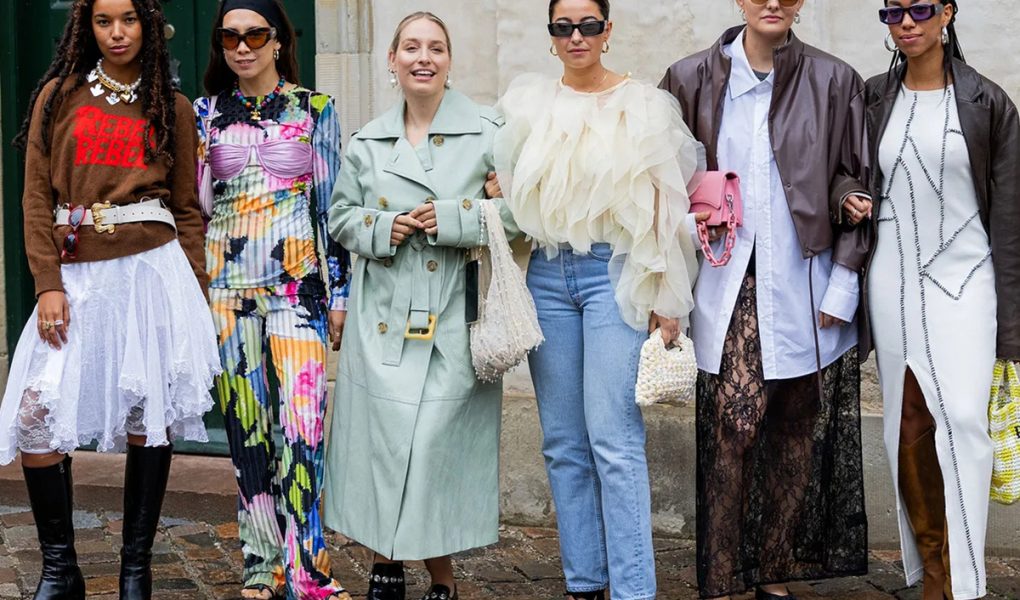
Clean style rarely comes from owning more. It comes from knowing which details deserve attention and which ones need to stay quiet. Fashion accessories can shift an outfit from plain to polished without making you look overdone, and that matters across American offices, weekend plans, city errands, and social events where first impressions still carry weight. A sharp belt, a balanced watch, a structured bag, or a simple pair of sunglasses can say more than a closet full of loud pieces ever could.
The cleanest personal style works because every accessory has a job. Nothing fights for attention. Nothing looks random. That is why smart style choices often begin with restraint, not shopping. Readers who follow polished lifestyle platforms such as modern personal branding guides already know that presentation works best when it feels natural instead of staged.
The goal is not to dress like everyone else. The goal is to build a signature look that feels clear, current, and easy to repeat.
Why Clean Accessories Matter More Than Loud Statements
Personal style has changed in a quiet but serious way. People are less impressed by outfits that shout and more drawn to outfits that look edited. A clean accessory plan helps you look intentional without making every detail feel calculated.
Small Details Shape the Whole Outfit
A plain white shirt and dark jeans can look forgettable until the right accessories step in. Add a slim leather belt, clean sneakers, and a watch with a simple face, and the outfit suddenly feels chosen. Nothing dramatic happened, but everything improved.
That is the hidden power of clean personal style. The accessory does not need to become the star. It needs to make the rest of the outfit look more settled.
A common mistake is thinking accessories must be bold to matter. Often, the opposite is true. The quiet piece does more work because it supports your look instead of interrupting it.
The Best Accessories Reduce Visual Noise
Clean style depends on subtraction. If your outfit already has texture, color, or pattern, your accessories should calm the look down. A smooth black bag, thin gold hoops, or a matte watch can create balance without adding clutter.
This is where many people in the USA get stuck, especially with busy work-to-weekend wardrobes. They buy pieces one at a time with no shared direction. The result is a drawer full of items that never seem to work together.
A better move is to choose accessories with shared traits. Similar metals, simple shapes, and neutral finishes make your wardrobe feel more connected. That connection is what turns random clothing into personal style.
Fashion Accessories That Build a Clean Signature Look
A signature look does not need a dramatic trademark. It can be as simple as always wearing structured bags, thin jewelry, or classic sunglasses. The point is to create repeatable choices that people begin to associate with you.
Start With Pieces You Wear Most Often
The strongest accessory plan begins with daily use. A work bag, belt, watch, wallet, sunglasses, or everyday jewelry will shape your look more than a special-event piece sitting in a box.
For example, someone working in a Dallas office may get more value from a sleek laptop tote than from a statement necklace. The tote appears every weekday. It becomes part of their visual identity before anyone notices a rare party accessory.
Daily accessories should be clean, durable, and easy to match. Black, brown, navy, tan, silver, and gold remain useful because they work across seasons. A piece earns its place when it helps several outfits, not one.
Match the Finish, Not Every Color
A clean look does not require everything to match perfectly. Perfect matching can feel stiff. Instead, focus on finish. Smooth leather with smooth leather. Brushed metal with brushed metal. Soft fabric with soft fabric.
This is the trick behind many polished outfits. The colors may vary, but the texture language stays calm. A tan belt, cream bag, and tortoise sunglasses can work together because they share warmth.
The counterintuitive part is that a tiny mismatch can make an outfit feel more human. Clean style should never look like a mannequin display. It should look like someone with taste made a few smart choices and then stopped.
How to Choose Modern Accessories Without Overbuying
Shopping for accessories can get messy because small items feel easy to justify. A bracelet here, a cap there, a new bag on sale. Soon, the closet is full, but the outfits still feel unfinished.
Use a Three-Role Accessory System
Every accessory should fit one of three roles: anchor, accent, or function. An anchor piece grounds the outfit, like a belt or bag. An accent adds personality, like jewelry or sunglasses. A function piece solves a need, like a watch, scarf, or hat.
This system stops impulse buying because every item needs a reason to exist. If you already have a black leather belt that works, another one must offer a clear difference. Maybe it has a slimmer width or a dressier buckle.
For a clean wardrobe, most people need fewer accessories than they think. They need better roles. One strong anchor can support ten outfits better than five weak options.
Avoid Pieces That Only Work Once
Single-outfit accessories can drain both money and closet space. A bright bag that works with one dress may feel fun for a night, but it rarely helps your daily style. The same goes for novelty jewelry, oversized logos, or trend-heavy belts.
A better test is simple: can this piece work with three outfits you already own? If not, leave it. That question saves more money than any sale price.
Modern accessories should add range, not pressure. You should feel relieved when you reach for them, not forced to build an entire outfit around them.
Balancing Personality With Restraint
Clean style does not mean boring style. It means your personality appears through controlled choices. The best outfits leave room for one interesting detail instead of letting every piece compete.
Let One Detail Speak Clearly
A personal accessory should have space around it. If you wear sculptural earrings, keep the necklace quiet. If your watch has a stronger shape, skip stacked bracelets. If your sunglasses carry the look, let the bag stay simple.
This works well in American cities where dress codes blur. A New York coffee meeting, a Los Angeles lunch, and a Chicago creative office may all allow personality, but none reward visual chaos.
One clear detail feels confident. Five details feel nervous. That difference matters more than most people admit.
Use Accessories to Control the Mood
Accessories can make the same outfit feel relaxed, sharp, warm, or formal. A linen shirt with canvas sneakers feels weekend-ready. Add loafers, a leather belt, and a structured watch, and the same base feels ready for a casual office.
This is why accessories are not decoration alone. They are mood controls. They tell people how to read the outfit.
Clean personal style becomes easier when you understand that shift. You do not need a new wardrobe for every setting. You need the right finishing pieces to guide the impression.
Conclusion
Style gets easier when your accessories stop competing with your clothes. The cleanest wardrobes are not built around endless options. They are built around trusted pieces that pull outfits into focus, again and again.
Fashion accessories should help you look like yourself on a better day. That means choosing pieces with purpose, skipping noise, and letting one detail carry personality when the outfit needs it. A slim watch, a neat belt, a sharp pair of sunglasses, or a structured bag can do more for your image than a pile of trendy extras.
The smartest next step is not to buy something new right away. Open your closet, pull out every accessory you own, and keep only the pieces that make your outfits clearer. Build from there with patience, taste, and restraint.
Choose fewer pieces, but make every one count.
Frequently Asked Questions
What are the best accessories for a clean personal style?
Start with a simple watch, quality belt, structured bag, clean sunglasses, and minimal jewelry. These pieces work across casual, work, and social outfits. Choose neutral colors and simple shapes so each item supports your wardrobe without pulling too much attention.
How many accessories should I wear with one outfit?
Most clean outfits work best with two to four accessories. A belt, watch, bag, and one jewelry piece are often enough. The goal is balance. When every accessory tries to stand out, the outfit starts to feel crowded.
What color accessories go with most outfits?
Black, brown, tan, navy, silver, and gold are the easiest colors to wear often. Choose based on your wardrobe’s main tones. Warm clothes usually pair well with brown, tan, and gold, while cooler outfits often suit black, navy, and silver.
How can men style accessories without looking overdone?
Men can keep accessories clean by focusing on function and fit. A good watch, leather belt, simple sunglasses, and neat bag can sharpen most outfits. Avoid oversized logos, loud bracelets, and too many pieces stacked together.
How can women make accessories look more polished?
Women can create polish by choosing one focal point at a time. Statement earrings work best with a quiet necklace or none at all. A structured bag, clean shoes, and simple jewelry can make even basic outfits look more intentional.
Are expensive accessories always better for personal style?
Price does not guarantee style. Fit, finish, material, and usefulness matter more. A modest leather belt that works with ten outfits is better than a costly piece that sits unused. Clean style rewards smart editing, not blind spending.
How do I organize accessories for daily outfits?
Group accessories by type and color so you can see what you own. Keep daily pieces near your clothes, not hidden in boxes. When watches, belts, jewelry, and bags are easy to reach, you make better choices with less effort.
What accessories should I avoid for a clean look?
Avoid pieces with loud logos, cheap shine, awkward proportions, or colors that clash with most of your wardrobe. Trend-heavy items can work in small doses, but they should not control your whole outfit. Clean style depends on restraint.