

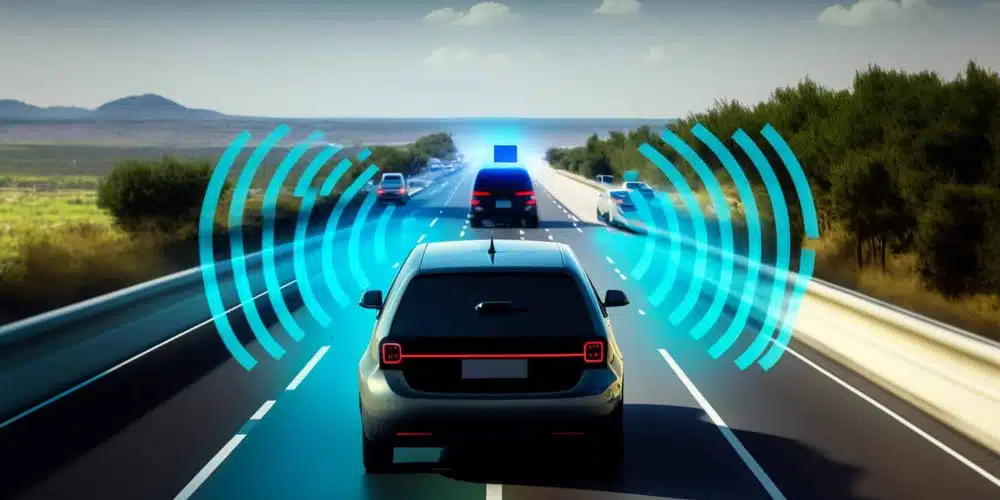
A split second can decide whether a normal drive stays normal or turns into a story nobody wants to tell. Modern driver assistance features give American drivers another layer of awareness when traffic gets messy, visibility drops, or fatigue starts whispering at the wheel. These systems do not replace judgment, and they should never make you lazy behind the wheel. Still, when they are set up well and understood properly, they can catch the small risks humans often miss.
Across U.S. highways, school zones, crowded parking lots, and weekend road trips, safety technology has moved from luxury trims into everyday family vehicles. A commuter in Dallas, a parent in Ohio, and a retiree driving through Florida all face different roads, but the same truth applies: the car can now help read the moment. That matters for anyone comparing models, checking safety packages, or reading trusted automotive guidance from modern road safety resources. The smartest drivers treat these tools like a calm co-pilot, not a replacement for their own eyes.
How Smart Safety Tech Changes Daily Driving
The biggest shift in modern car safety is not one single feature. It is the way several systems work together while you handle ordinary driving stress. You still steer, brake, scan mirrors, and judge traffic. The car simply adds a second watchful layer around your blind spots, closing gaps, lane position, and speed.
Why advanced safety systems feel small until they matter
Advanced safety systems often work in quiet moments, which is why drivers underestimate them. A light flashes in the mirror. A steering wheel gives a gentle nudge. A warning tone sounds before the car ahead becomes a problem. None of that feels dramatic, yet that is the point.
A family heading home from a Friday night basketball game might not remember the moment a forward warning saved them from a hard stop. The driver may only notice that traffic slowed faster than expected. The system noticed the speed gap first, and that tiny head start can change the entire outcome.
The counterintuitive part is that the best safety technology often feels boring. It does not make driving exciting. It makes mistakes harder to complete. That is a quiet win, especially on U.S. roads where stop-and-go traffic, distracted drivers, and sudden lane changes are part of the routine.
When alerts help and when they become noise
A good alert feels specific, timely, and hard to ignore. A bad alert feels like a nervous passenger tapping your shoulder every three minutes. Drivers need to learn the difference because alert fatigue is real. When every beep sounds urgent, none of them feel urgent for long.
Many vehicles let you adjust warning volume, sensitivity, and vibration settings. A driver in Los Angeles traffic may prefer earlier alerts because cars cut across lanes often. A driver in rural Kansas may want fewer warnings because open roads can make sensitive systems overreact to curves or roadside objects.
Smart setup matters more than most buyers admit. Leaving every setting at factory default is not always wrong, but it may not match your roads or habits. Safety tech works best when it fits the way you actually drive, not the way a brochure imagines you drive.
Driver Assistance Features That Protect You in Traffic
Heavy traffic is where technology earns respect fast. Cars move at odd speeds, drivers glance at phones, and motorcycles appear between lanes. This is where driver assistance features can reduce stress without taking control away from you.
How adaptive cruise control changes highway fatigue
Adaptive cruise control is not the same as old cruise control. Traditional cruise control holds one speed until you brake or cancel it. Adaptive cruise control reads the vehicle ahead and adjusts speed to keep a safer following distance.
That difference matters on long American highways. A driver going from Phoenix to San Diego may hit open stretches, construction zones, sudden backups, and rolling slowdowns. Adaptive cruise control can smooth those speed changes, which lowers the mental drain of constantly tapping the brake and gas.
The hidden benefit is not speed. It is steadiness. Many drivers become worse after two hours because their spacing gets sloppy. Adaptive cruise control can help preserve that spacing, though the driver still needs to watch for cut-ins, emergency vehicles, and weather changes.
Why blind spot monitoring saves everyday decisions
Blind spot monitoring is one of the easiest systems to understand because the problem is so familiar. You signal, glance, check the mirror, and still wonder whether a car is sitting in the space your mirror did not catch. A small mirror light can settle that doubt before you move.
Blind spot monitoring is especially helpful around pickup trucks, SUVs, and fast-moving traffic. On wide U.S. interstates, vehicles can hide in the rear quarter area longer than expected. A driver merging near Atlanta or Houston may have only seconds to choose a gap.
The catch is that the mirror light should never become your only check. Rain, dirt, snow, trailer attachments, and sensor damage can limit accuracy. The system is strongest when it backs up good mirror habits, not when it replaces a shoulder check.
Lane Support, Parking Help, and Low-Speed Protection
Safety is not only about freeway speed. Some of the most expensive and stressful mistakes happen in parking lots, school pickup lanes, driveways, and narrow neighborhood streets. Low-speed systems may not sound heroic, but they protect people, bumpers, and confidence.
What lane keeping assist does on real roads
Lane keeping assist can help when your vehicle drifts toward a lane line without signaling. Depending on the car, it may warn you, gently steer, or guide the vehicle back toward the lane center. It is not self-driving, and treating it that way is asking for trouble.
Lane keeping assist works best on clear highways with visible lane markings. It can struggle with faded paint, snow-covered roads, construction zones, and sharp curves. Anyone who has driven through roadwork in Pennsylvania or Michigan knows lane lines can turn into a guessing game.
The unexpected truth is that lane support can teach better driving habits. When the system nudges often, it may reveal that you drift more than you think. Instead of blaming the car, a careful driver uses those nudges as feedback and tightens attention.
How parking sensors and cameras prevent small disasters
Parking tech has changed the way many people handle tight spaces. Rear cameras, surround-view cameras, parking sensors, and rear cross-traffic alerts can spot obstacles that are easy to miss from the driver’s seat. That includes bikes, low walls, shopping carts, pets, and kids moving behind the vehicle.
In suburban America, this matters every day. A minivan backing out of a crowded grocery store space may have blocked views on both sides. Rear cross-traffic alerts can warn about an approaching car before the driver can see it.
Still, cameras can distort distance, and sensors may miss certain objects. A wet camera lens, bright sun glare, or packed snow can weaken the view. The best habit is simple: look first, use the tech second, and move slowly enough to stop without panic.
Building Safer Journeys Through Better Driver Habits
Technology only works as well as the driver’s relationship with it. A feature you misunderstand can become a false comfort. A feature you respect can become a steady safety partner. The difference is not the price of the car. It is how carefully you learn what the vehicle can and cannot do.
Why setup matters before your first long trip
Many drivers buy a vehicle and never open the safety menu. That is a mistake. Before a road trip, you should know how to adjust following distance, warning sensitivity, steering support, and parking alert settings. You should also know what each dashboard icon means before it appears at 70 mph.
A good pre-trip routine takes only a few minutes. Sit in the driveway, scroll through the settings, and test what you can safely test. Check the owner’s manual for system limits, especially for adaptive cruise control, lane keeping assist, and automatic emergency braking.
One useful habit is to create a mental “trust boundary.” Know which systems you trust in clear daylight, which ones you watch closely in rain, and which ones you turn off during confusing conditions. Confidence should come from knowledge, not from marketing language.
How human attention stays the main safety feature
No vehicle feature beats a focused driver. Cameras do not understand every human situation. Radar does not know why a pedestrian paused near a curb. Software cannot read the body language of a driver who looks ready to run a red light. You can.
That is why the safest drivers stay active even when the car helps. They keep hands on the wheel, eyes moving, and judgment engaged. They treat every warning as information, not an order. That calm mindset prevents overreaction and keeps the driver in command.
Modern cars can reduce risk, but they cannot remove responsibility. The road still belongs to people making decisions in real time. When driver assistance features support alert driving instead of replacing it, safer journeys become more than a promise. They become a daily habit worth protecting.
Frequently Asked Questions
What are the most useful modern safety features for everyday driving?
Adaptive cruise control, blind spot monitoring, automatic emergency braking, lane keeping assist, and rear cross-traffic alerts offer strong everyday value. They help in traffic, parking lots, highway driving, and sudden slowdown situations while still keeping the driver responsible for control.
Is lane keeping assist the same as self-driving?
No. Lane keeping assist only helps reduce unintended lane drift when road markings are clear. It cannot handle every curve, construction zone, weather condition, or traffic situation. You still need both hands ready and full attention on the road.
How does blind spot monitoring help on highways?
Blind spot monitoring warns when a vehicle sits in an area that mirrors may not show clearly. It is helpful during lane changes, merges, and heavy interstate traffic. Drivers should still check mirrors and look over the shoulder before moving.
Can adaptive cruise control prevent accidents?
Adaptive cruise control can reduce risk by keeping a set distance from the vehicle ahead and adjusting speed when traffic changes. It cannot prevent every crash. Cut-ins, stopped vehicles, bad weather, and sensor limits still require active driver attention.
Are parking cameras enough for safe reversing?
Parking cameras help, but they are not enough by themselves. The view can be blocked, distorted, or affected by weather. Safe reversing still requires checking mirrors, turning your head, moving slowly, and using sensors as extra support.
Do driver safety systems work in rain or snow?
Many systems still work in light rain or snow, but performance can drop when sensors or cameras are blocked. Heavy rain, ice, mud, glare, and faded lane lines can reduce accuracy. Drivers should slow down and rely more on direct observation.
Should new drivers rely on advanced safety systems?
New drivers should learn core driving skills first, then use advanced safety systems as backup support. These tools can help build awareness, but they should never replace mirror checks, safe spacing, smooth braking, or good judgment in traffic.
How often should car safety sensors be checked?
Sensors should be checked whenever warning messages appear, after a collision, after windshield replacement, or when alerts seem inaccurate. Regular service visits should include inspection of cameras, radar areas, and calibration needs, especially before long road trips.