

A dead battery used to mean a jump start, a tow, or a bad morning. For electric car owners, the stress feels different because the car is fine, the battery is fine, and the real problem is planning. Smart EV charging tips can turn that worry into a normal household habit, no more dramatic than plugging in a phone before bed. Across the USA, more drivers are learning that daily electric driving works best when charging feels boring, predictable, and built into the rhythm of life. That shift matters for commuters, parents, rideshare drivers, and anyone tired of treating every trip like a math problem. Resources from trusted digital publishers such as automotive lifestyle coverage can help drivers think beyond the charger itself and focus on the routine around it. The real win is not charging faster every time. The real win is needing to think about it less.
Building a Charging Routine That Matches Real American Driving
Most charging mistakes begin with one bad assumption: the car must be filled like a gas tank. Electric driving works better when you stop chasing “full” and start thinking in daily range. A teacher driving 28 miles round trip in Ohio, a nurse commuting 44 miles in Texas, and a remote worker running errands in Oregon do not need the same plan, even if they own the same model.
How a Home Charging Routine Reduces Daily Stress
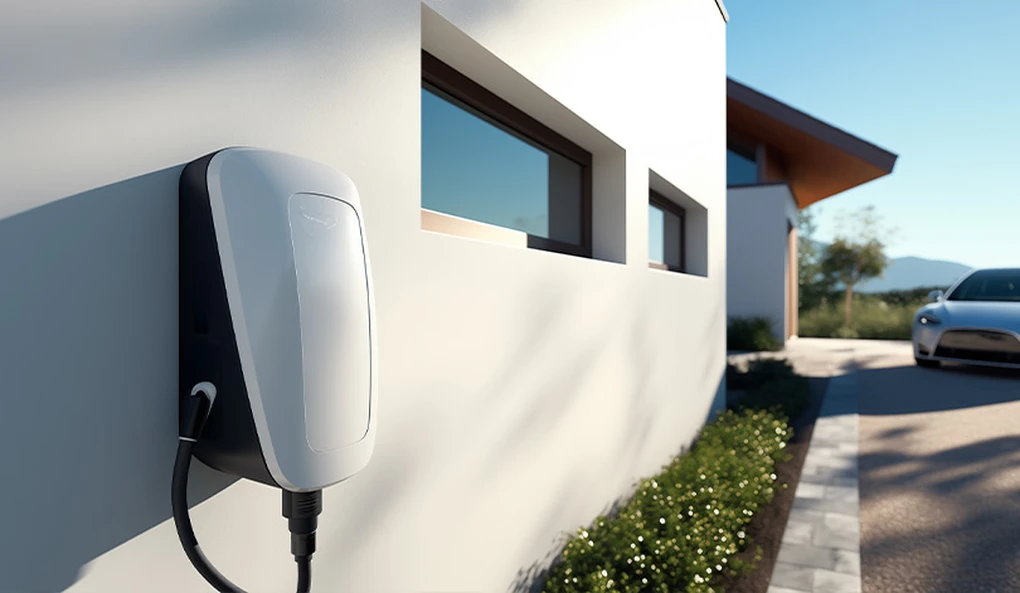
A home charging routine turns ownership from a guessing game into muscle memory. You park, plug in, and wake up with enough range for the next day. That rhythm helps because most American drivers repeat the same routes more often than they admit.
The counterintuitive part is that charging every night does not mean overcharging the car. Most modern EVs let you set a charge limit, often around the range that fits your week. A driver in suburban Atlanta may set the car to stop at 80 percent on weekdays, then raise it before a Saturday trip to the lake.
A good home charging routine also protects your mornings. You do not want to discover a low battery while packing lunches, scraping ice, or trying to beat traffic on I-95. The charger should solve problems before you notice them.
Why Daily Range Matters More Than a Full Battery
Daily range gives you a clearer target than battery percentage alone. A car showing 65 percent can feel low until you realize it still covers two workdays, school pickup, groceries, and a dinner run. Numbers only help when they connect to your actual life.
Many new owners stare at the dashboard more than the road during the first few weeks. That habit fades once they learn their own pattern. A driver in Phoenix may notice air conditioning reduces range on extreme days, while someone in Minneapolis may plan more carefully during winter mornings.
The deeper lesson is simple: your charger should serve your calendar, not your anxiety. Once you know your normal range, you stop treating every lower percentage like an emergency.
Using Public Charging Without Losing Time
Public chargers feel stressful when drivers treat them as rescue stations. They work better as planned stops. The difference sounds small, but it changes the entire experience, especially on road trips, airport runs, and busy weekends.
Choosing Public Charging Stations Before You Need Them
Public charging stations help most when you pick them before the battery gets low. Waiting until the dashboard warning appears limits your choices, raises stress, and pushes you toward whatever charger happens to be closest. That is rarely the best one.
A family driving from New Jersey to Virginia, for example, should not search for a charger after the kids get hungry and the battery drops near empty. The smarter move is choosing a stop near food, bathrooms, and a safe parking area before leaving the driveway.
Public charging stations also vary by speed, location, payment setup, and reliability. A charger near a grocery store can beat a faster charger in a lonely corner if you can shop while the car adds range. Convenience is not only about electricity speed.
Turning Charging Stops Into Useful Breaks
A charging stop should replace dead time, not create it. The best stop lets you eat, stretch, answer messages, or let kids reset after two hours in the car. The charger becomes part of the break instead of the reason for it.
Road trips make this plain. Gas drivers often stop, fuel, move the car, then go inside. EV drivers can plug in first, then handle everything else while energy flows. Done well, the stop feels calmer because the car works while you take care of yourself.
There is a quiet discipline here. Do not chase a perfect 100 percent charge at a fast charger unless the route demands it. Charging speed often slows as the battery fills, so leaving earlier with enough range can save more time than waiting for a prettier number.
Protecting Battery Health Through Smarter Habits
Battery care does not require fear. It requires restraint. Most drivers get into trouble when they treat the battery like a tank that must be topped off, drained low, then filled again. Electric vehicles prefer calmer behavior.
How Battery Health Improves With Moderate Charging
Battery health benefits from avoiding extremes when your schedule allows it. That means you do not need to run the car near empty before plugging in, and you do not need to charge to 100 percent for ordinary commuting. Your owner’s manual should guide the final settings.
A real example helps. A software worker in California who drives 22 miles per day may keep the charge limit near the middle range during the workweek. Before a longer trip to Yosemite, that same driver can raise the limit because the extra range has a purpose.
Battery health is not about babying the car. It is about matching charging behavior to need. The car can handle long drives, fast chargers, and high charge levels when they make sense. Problems grow when extreme habits become the everyday pattern.
Why Fast Charging Should Be a Tool, Not a Lifestyle
Fast charging feels powerful, so new owners sometimes lean on it too often. That works in some cases, especially for apartment drivers, road trippers, or people without a reliable home setup. Still, the best daily plan usually avoids making fast charging the default.
The reason is partly comfort. Sitting at chargers several times a week can make EV ownership feel harder than it is. A Level 2 charger at home, work, or a nearby garage can remove that friction and give you your time back.
The unexpected truth is that slower charging often feels more convenient. It happens while you sleep, work, shop, or eat. Fast charging wins the emergency. Slow planned charging wins the week.
Making Charging Work Around Weather, Cost, and Family Life
Charging is not only a car issue. It touches your electric bill, your garage setup, your work schedule, and the way your household moves. A driver who treats charging as part of family logistics will have fewer surprises than one who treats it as a separate chore.
Setting a Charging Schedule That Saves Money
A charging schedule can help lower costs when your utility offers cheaper overnight electricity. Many parts of the USA have time-of-use rates, and the difference can matter over a full month of commuting. The car and charger often let you set the hours once, then forget the settings.
A Chicago homeowner might plug in at 7 p.m. but schedule charging to begin after off-peak pricing starts. The car sits there ready, but it waits until the cheaper window opens. That small delay can turn into a clean monthly habit.
A charging schedule also helps during busy mornings. When the car finishes close to departure time, the battery may be warmer in cold weather and ready for the drive. The point is not perfection. The point is using the clock as part of the system.
Planning for Cold Mornings, Hot Afternoons, and Shared Cars
Weather changes the way electric cars feel. Cold mornings can reduce available range, while hot afternoons can make climate control work harder. Drivers in Michigan and Arizona may own the same vehicle, but their charging habits should not look identical.
Preconditioning helps because the car can warm or cool the cabin while plugged in. That saves battery energy for driving and makes the first few minutes more comfortable. Parents notice this fast when a child seat is freezing in January or scorching in July.
Shared household cars need clearer rules. One person cannot leave the EV at 18 percent for the next driver and call it fine. A simple family rule, such as “plug in below 50 percent,” prevents blame, stress, and the classic driveway argument no one wants at 7:15 a.m.
Conclusion
Electric driving becomes easier when you stop treating charging like a special event. The best owners do not obsess over every percentage point, and they do not hunt for a charger after panic sets in. They build a rhythm that fits work, errands, weather, and money. That is where Modern EV Charging Tips for Daily Convenience becomes more than a title. It becomes a better way to live with the car you already bought. Set a normal charge limit, plan public stops before you need them, protect the battery from daily extremes, and let your schedule do more of the work. The future of driving will not belong to people who think about charging the most. It will belong to people who make charging feel invisible. Start by changing one habit this week, then let the car prove how simple ownership can become.
Frequently Asked Questions
How often should I charge my electric car for daily driving?
Charge based on your normal driving range, not out of habit alone. Many drivers plug in several nights a week or every night with a set charge limit. The best pattern is the one that keeps tomorrow’s driving covered without forcing a full battery every time.
What is the best battery percentage for everyday EV use?
Many EV owners use a moderate daily limit rather than charging to full. Your owner’s manual gives the safest guidance for your model. For routine commuting, keeping the battery away from constant empty-to-full swings helps reduce stress on the pack.
Are public chargers good for regular electric car owners?
They are helpful when they fit naturally into your life. Public chargers work well during shopping, travel, or long workdays away from home. They become frustrating when you rely on them without planning, especially during peak travel times or in crowded areas.
Can fast charging damage an EV battery over time?
Occasional fast charging is normal and useful. Problems may grow when fast charging becomes the only habit and the battery often runs hot or stays near full. Use it when the situation calls for speed, then return to slower planned charging when possible.
How can apartment renters charge an EV more easily?
Renters should look for workplace chargers, nearby Level 2 stations, grocery store chargers, or buildings that allow charger installation requests. A weekly charging pattern can work well if the driver’s mileage stays predictable and the closest reliable charger is convenient.
Should I charge my EV every night at home?
Nightly charging can work well when you set a sensible charge limit. It gives peace of mind and keeps mornings simple. Drivers with shorter commutes may not need energy every night, but plugging in can still be harmless when the car controls the limit.
What should I do before a long electric road trip?
Plan charging stops around food, bathrooms, and safe parking before leaving. Check charger speed and recent reliability when possible. Start with more range than your daily limit, but avoid wasting time chasing a full charge at every stop.
How does cold weather affect electric vehicle charging?
Cold weather can slow charging and reduce driving range because the battery and cabin need heat. Preconditioning while plugged in helps. Winter drivers should leave extra range, plan charging earlier, and avoid waiting until the battery is low before finding a charger.