

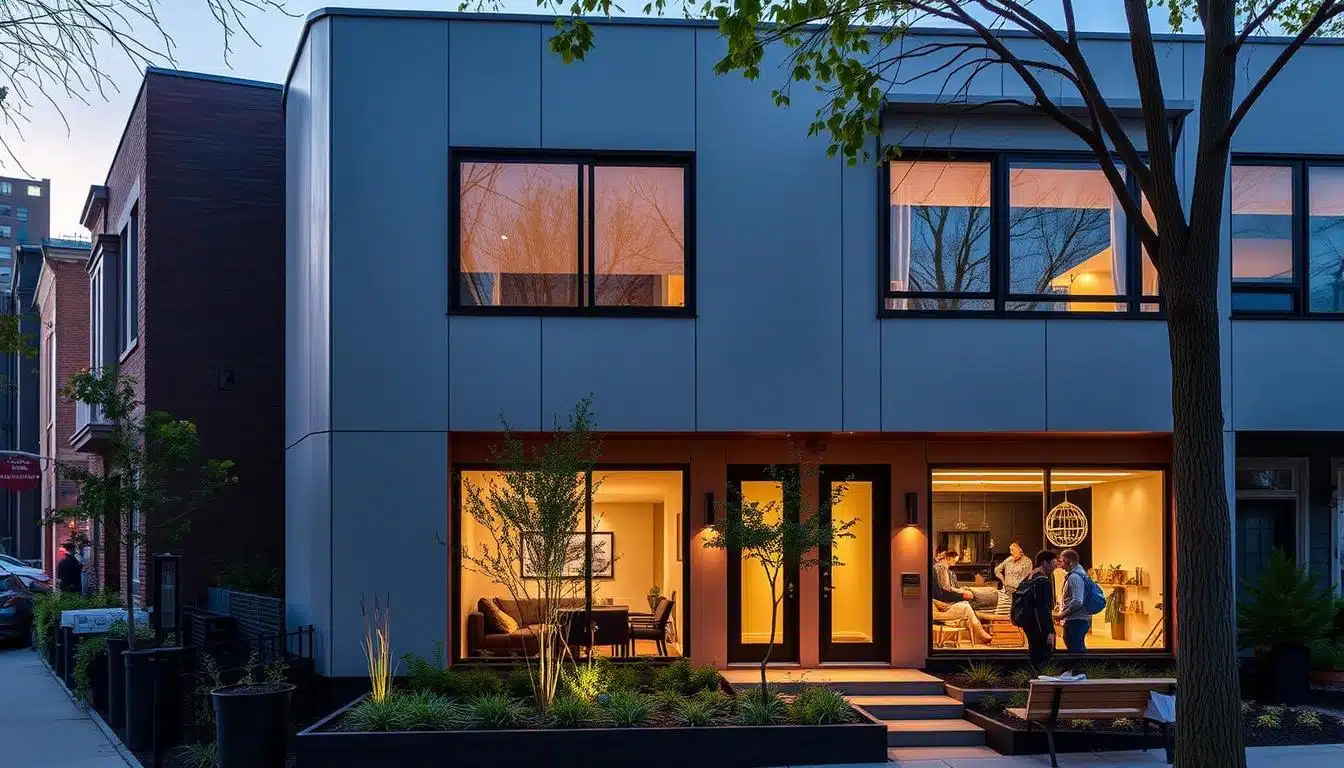
A townhouse can look perfect during a 20-minute showing and still fight your family every morning after move-in. The best townhouse buying tips start with one hard truth: you are not buying square footage alone; you are buying routines, noise patterns, storage limits, parking habits, school routes, HOA rules, and future breathing room. Growing families in the USA often get drawn to townhomes because they sit between apartment ease and single-family space, but that middle ground needs careful judgment. A smart buyer studies how the home lives on a Tuesday, not how it photographs on a listing page. For families comparing neighborhoods, mortgage choices, and practical home decisions, trusted real estate guidance from local property market insights can help frame the search with more clarity. The right townhouse should make daily life calmer, not prettier for one weekend. That means looking past staged furniture, fresh paint, and shiny countertops. Your goal is simple: choose a home that still works when school bags pile up, groceries come in late, and everyone needs space at the same time.
Townhouse Buying Tips That Start With Family Flow
A growing family needs a townhouse that handles pressure without making every small habit feel like a compromise. The floor plan matters more than the finish package because layout controls mornings, bedtime, storage, privacy, and the way people move through the home when life gets loud.
How does the floor plan handle real family traffic?
A townhouse with three levels can feel roomy on paper, then become tiring when every daily task needs stairs. A baby’s room on the top floor, laundry in the basement, and groceries entering through a rear garage can turn small chores into repeated climbs. That may not bother a couple today, but it can wear down parents with toddlers, aging relatives, or heavy school routines.
The best test is to walk the home like you already live there. Carry an imaginary grocery bag from the car to the kitchen. Picture a child waking up sick at 2 a.m. Think about where backpacks land, where shoes pile up, and where a stroller would sit without blocking the entry.
A good family layout gives each daily habit a natural place. A weak one forces you to invent fixes before you even make an offer. That is the hidden difference between a home that feels efficient and one that slowly steals your patience.
Why storage matters more than open space
Open space sells homes because it looks clean during a showing. Storage saves homes because it keeps them livable after six months. A growing family needs closets, pantry depth, garage space, linen storage, seasonal storage, and somewhere to put the things no one wants in photos.
Many newer townhouses trade storage for larger-looking living areas. That can feel nice until sports gear, holiday boxes, bulk groceries, and outgrown clothes have nowhere to go. A wide living room does not help much if every closet is already full before your family grows again.
Walk-in closets are useful, but scattered storage often matters more. A hall closet near the entry, cabinets near the laundry, and shelving in the garage can prevent daily clutter from spreading through the house. Counterintuitive, yes: the best family townhouse may not be the one with the largest living room. It may be the one with the smartest hiding places.
Reading the Neighborhood Beyond the Listing Photos
Once the inside seems workable, the outside world starts carrying more weight. Families do not live only within walls. They live through school drop-offs, weekend errands, sidewalk safety, commute stress, neighbor noise, and the small patterns that decide whether a place feels settled or strained.
What should families notice during different times of day?
A townhouse community can feel peaceful at noon and crowded by 6 p.m. Parking fills up, dogs come out, kids ride bikes, delivery trucks block lanes, and neighbors return from work. That evening rhythm tells you more than any listing description.
Visit once during school pickup hours and once after dinner. Watch how cars move through the community. Notice whether drivers slow down near children. Listen for road noise from nearby highways, train lines, or commercial areas that seemed harmless during the first showing.
A family in northern Virginia, for example, might love a townhouse near a commuter route until they realize the same road backs up every weekday afternoon. The home did not change. The timing did. That is why serious buyers study the neighborhood at the hours they will actually use it.
How close should daily needs be?
Convenience is not only about distance. It is about friction. A grocery store two miles away can feel far if every trip requires a hard left across traffic. A school five minutes away can still create stress if the drop-off line spills onto a busy road.
Families should map daily needs before falling in love with finishes. Schools, pediatric care, parks, pharmacies, grocery stores, daycare, after-school programs, and safe walking routes all shape the value of the home. A beautiful kitchen cannot offset a location that makes every errand feel like a negotiation.
The unexpected insight is that being close to everything can also create problems. Townhouses near retail centers may face traffic, late-night noise, limited guest parking, and busier streets. The sweet spot is not maximum closeness. It is easy access without constant intrusion.
HOA Rules, Shared Walls, and the Real Cost of Control
Townhouse ownership often comes with shared systems, shared boundaries, and shared rules. That can be helpful for busy families, but it can also limit how you use the home. The mistake is treating the HOA as paperwork instead of part of the property itself.
What HOA rules should growing families read first?
The HOA documents deserve more attention than most buyers give them. Rules about exterior changes, fences, play equipment, parking, pets, rentals, trash bins, and noise can shape your daily life. Some communities restrict basketball hoops, backyard sheds, satellite dishes, or even the color of your front door.
Families should read the covenants before the inspection period ends. Pay attention to fines, approval timelines, reserve funds, insurance responsibilities, and maintenance duties. A low monthly fee may look attractive until you learn the community has weak reserves and a major repair coming.
This is where townhouse buying tips become less exciting and more valuable. You are not only asking, “Can we afford this home?” You are asking, “Can we live under these rules without feeling boxed in?” That question saves regret.
How much do shared walls affect daily comfort?
Shared walls are not automatically a problem. Poor sound control is. A well-built townhouse can feel calm, while a cheaper one may let you hear footsteps, cabinets, music, garage doors, and late-night conversations next door.
During a showing, stand quietly in bedrooms and along shared walls. Turn off your own conversation for a moment. Ask what year the home was built, what materials separate the units, and whether bedrooms share walls with neighboring staircases or living rooms.
Families with babies, shift workers, musicians, or teens should take this seriously. Noise does not need to be extreme to become exhausting. Often it is the low, repeated sound that wears people down. A peaceful townhouse is not silent; it is built well enough that other people’s lives do not keep entering yours.
Budgeting for the Townhouse You Will Own, Not the One You Tour
The purchase price is only the opening number. Growing families need to think about monthly costs, repairs, future space needs, resale strength, and the cost of changing a home that almost works. A townhouse can be a wise buy, but only when the budget reflects real ownership.
Which hidden costs catch families off guard?
Monthly HOA fees, insurance gaps, special assessments, utility costs, parking fees, and maintenance needs can change the math fast. Some townhouses include exterior maintenance in the HOA fee. Others place more responsibility on the owner than buyers expect.
A newer townhouse may still need window treatments, storage systems, childproofing, appliances, ceiling fans, or garage shelving right away. An older one may need HVAC work, roof attention, plumbing updates, or electrical fixes. The listing price rarely tells the whole story.
Families should build a first-year ownership cushion before stretching their offer. That cushion protects the home from becoming a financial argument. It also gives you room to solve problems early instead of living around them for years.
How should resale shape the buying decision?
A family home should serve your life first, but resale still matters. School reputation, parking, bedroom count, layout, HOA health, commute access, and community condition all affect future demand. Buyers five years from now will judge many of the same things you are judging today.
Avoid odd layouts that only work for one narrow lifestyle. A bedroom far from a bathroom, a kitchen cut off from the main living area, or a garage too small for normal vehicles can shrink your future buyer pool. Charming quirks feel less charming when they block resale.
The counterintuitive move is to think like both a parent and a future seller. You do not need to buy the blandest home. You need one with broad usefulness. Good townhouses age well because they solve common problems cleanly.
Conclusion
A growing family does not need a perfect townhouse. It needs an honest one. The right choice supports the way your household actually moves, rests, stores, parks, studies, argues, grows, and resets after hard days. That kind of fit rarely comes from a glossy listing or a quick walk-through. It comes from slowing down and asking sharper questions before emotion takes over. Strong townhouse buying tips are not about chasing the newest community or the largest floor plan. They are about spotting the daily pressure points before they become daily complaints. A home should give your family more steadiness, not a longer list of workarounds. Before you make an offer, visit at different hours, read every HOA rule, test the layout against your routines, and price the first year honestly. Buy the townhouse that can handle real life, because real life is the only version that moves in with you.
Frequently Asked Questions
What are the best townhouse buying tips for families with young children?
Focus on stairs, bedroom placement, storage, parking, and safe outdoor access. Young children change how a home works. A townhouse with a smart entry, nearby laundry, quiet bedrooms, and room for strollers or bikes will usually serve a family better than one with flashier finishes.
Is a townhouse a good first home for a growing family?
A townhouse can be a strong first home when the layout, HOA rules, parking, and school access match your needs. It often offers more space than a condo with less upkeep than a detached house, which suits families who want ownership without heavy exterior maintenance.
What should I check in a townhouse HOA before buying?
Read rules on parking, pets, fences, rentals, exterior changes, noise, fees, reserves, and special assessments. The HOA can affect your budget and your freedom to use the home. Weak reserves or strict rules can turn a good property into a frustrating one.
How many bedrooms should a growing family choose in a townhouse?
Choose one more flexible room than you think you need, when the budget allows. A third or fourth bedroom can serve as a nursery, office, guest room, or teen space later. Family needs shift faster than most buyers expect.
Are end-unit townhouses better for families?
End units often bring more light, fewer shared walls, and sometimes extra yard space. They may also cost more and carry higher heating or cooling needs. Families who value quiet and privacy often prefer them, but the layout still matters more than the label.
What hidden costs come with buying a townhouse?
Common hidden costs include HOA fee increases, special assessments, higher insurance needs, utility bills, parking charges, appliance replacements, and storage upgrades. Buyers should also budget for move-in fixes like blinds, shelving, paint touch-ups, and child safety changes.
How can I tell if a townhouse has noise problems?
Visit during evening hours, stand quietly near shared walls, and ask about wall construction. Listen for footsteps, garage doors, music, plumbing, or traffic. Noise problems are easier to detect when you stop talking and let the home reveal itself.
What makes a townhouse easier to resell later?
Strong resale usually comes from a practical layout, healthy HOA, good parking, school access, clean community upkeep, and flexible bedrooms. Avoid strange floor plans or rules that limit normal family living. Future buyers usually want the same daily ease you want now.