

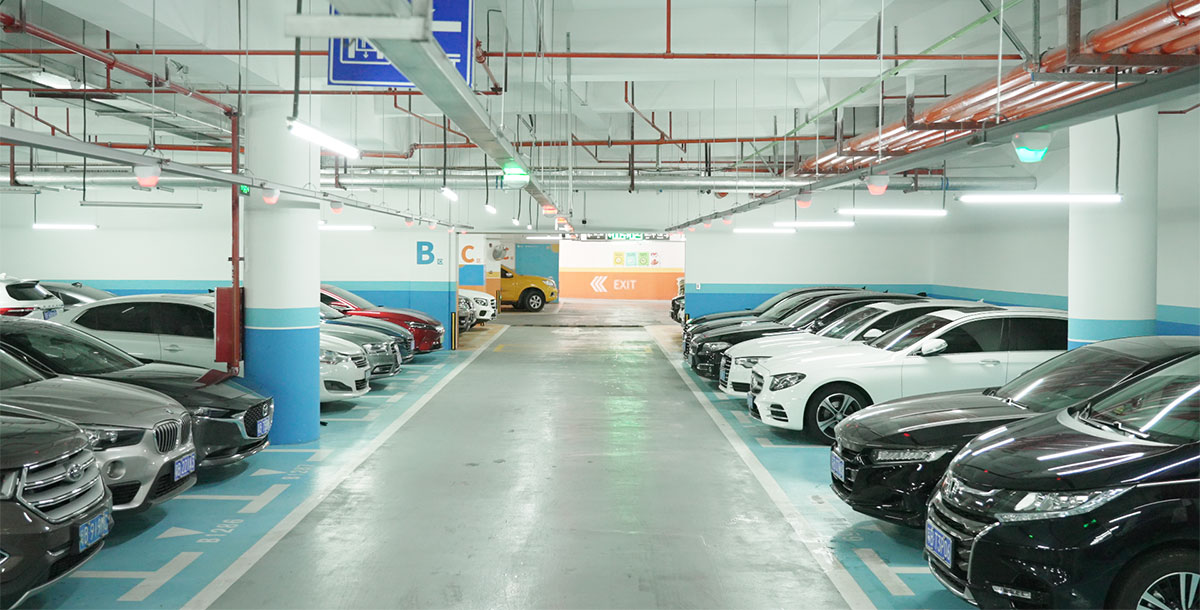
City driving exposes every weak spot in a driver’s patience, timing, and judgment. In crowded U.S. streets, parking sensors give everyday drivers a practical way to handle tight curbs, packed garages, narrow apartment lots, and quick parallel parking without turning every stop into a small crisis. A good sensor system does not make the car smarter than the person behind the wheel. It gives the driver better feedback at the exact moment small mistakes get expensive.
That matters more now because American cities are not getting easier to park in. Bigger SUVs share the same curb space with compact sedans, delivery vans, bikes, scooters, and distracted pedestrians. Drivers in Boston, Chicago, Miami, Los Angeles, and New York all know the same feeling: you think you have room, then the bumper says otherwise. That is where clear alerts, smart camera pairing, and steady driver habits can save paint, money, and nerves. For drivers comparing vehicle tech, trusted automotive visibility resources can help connect common safety features with real daily use.
Why Parking Sensors Matter in Crowded American Streets
City parking is not hard because drivers lack effort. It is hard because space is shrinking while vehicles, traffic pressure, and visual distractions keep growing. A driver may know how to park well, yet still struggle when a curb is uneven, a pole hides below mirror height, or a pickup blocks the view from behind.
Tight parking spaces punish small guesses
Tight parking spaces leave almost no room for casual judgment. A few inches can decide whether you clear a concrete post or scrape the corner of your bumper. That is why drivers in older downtown areas often feel more stress parking than driving at speed on an open road.
A sensor alert changes the moment before contact. Instead of relying only on mirror angles and neck turns, you hear or see distance feedback as the vehicle closes in on an object. The best value comes not from panic beeps, but from the early warning that lets you slow down before the situation gets tense.
Many U.S. parking garages make this worse. Columns sit at strange angles, wheel stops are uneven, and lighting can wash out painted lines. A sedan may slide in with room to spare, while a family SUV needs a careful approach. The driver who pauses, listens to the alert pattern, and adjusts slowly usually parks cleaner than the driver who tries to “feel it out.”
The counterintuitive truth is that the slowest driver is often the least annoying one. Quick parking looks confident until one bad angle blocks the lane for everyone. Slow, clean movement gets the job done with less drama.
City parking help reduces pressure from impatient traffic
City parking help matters most when other drivers are waiting behind you. Parallel parking on a busy street creates a strange kind of pressure. You are not only managing the curb and the car behind you. You are also aware of headlights, honks, bike lanes, and people walking near the rear bumper.
That pressure leads many drivers to rush the final part of the parking move. They cut too sharply, stop too late, or give up on a spot they could have taken safely. A reliable alert system creates a calmer decision point because the driver has one more source of feedback.
Think about a driver backing into a street spot in Philadelphia during evening traffic. The rear camera shows the general scene, mirrors catch the curb, and the alert tone warns when the bumper nears the parked car behind. None of these tools replace skill. Together, they slow the driver’s thinking in a useful way.
Good parking is not about pride. It is about control under pressure. When technology helps you ignore the noise around you and focus on distance, it becomes more than a convenience feature.
How Sensor Alerts Turn Blind Spots Into Useful Feedback
Most parking damage happens close to the vehicle, below the driver’s natural sightline, or at awkward corner angles. That is exactly where mirrors and cameras can miss details. Sensor alerts help fill the gap by translating hidden space into sound, graphics, or vibration before the driver runs out of room.
Reverse safety alerts help protect people and property
Reverse safety alerts are often treated as bumper protection, but their value reaches further. They help drivers notice objects, pets, bikes, low walls, toys, shopping carts, and people moving near the rear path. In suburban driveways, school parking lots, and grocery store lanes, that matters every day.
A parent backing out of a driveway in Dallas may check mirrors and camera views, but a child’s scooter near the bumper can still be hard to judge. A sensor tone gives another warning before the vehicle moves too far. The same applies when backing from a crowded Target parking space with carts crossing behind the car.
The system is not perfect, and honest drivers understand that. Rain, dirt, snow, poor calibration, and unusual object shapes can affect readings. Still, a warning that catches one hidden hazard is worth more than a dozen silent assumptions.
Reverse safety alerts work best when drivers treat them as a prompt, not permission. A beep should make you look again, slow down, and confirm the path. It should never become a reason to stop checking mirrors.
Corner detection protects bumpers better than rear alerts alone
Rear alerts are useful, but city damage often happens at the corners. A bumper corner can swing toward a wall, pole, or parked car while the center of the vehicle looks safe. That is why front and rear corner detection can be a quiet lifesaver in cramped spaces.
Consider a driver pulling into a narrow garage in San Francisco. The front of the vehicle clears the doorway, but the right corner comes close to a concrete edge. A center-only warning may not explain the danger well enough. A corner alert gives the driver a better sense of where the real risk sits.
This is where technology feels less like a gadget and more like a second set of eyes at bumper height. The driver still needs to steer carefully, but the system helps reveal the part of the car that is hardest to judge from the seat.
The unexpected benefit is not only fewer scratches. It is better spatial learning. Drivers who pay attention to corner alerts often become better at judging their vehicle size over time. The tool trains the driver, even when the driver does not notice the lesson.
Choosing Sensor Features That Fit Real Driving Habits
Car buyers often get distracted by feature names, trim packages, and sales language. The smarter move is to match the sensor setup to the places where the vehicle will spend its life. A downtown commuter, a minivan parent, and a pickup owner do not need the same kind of parking support.
City parking help works best with clear visual guidance
City parking help becomes easier to trust when sound alerts pair with a clear screen display. Beeps alone can warn you that something is close, but a visual guide can show whether the object sits behind, beside, or near a corner. That makes a big difference when space gets tight.
Many newer vehicles show colored zones on the infotainment screen. Green means you have room, yellow means caution, and red means stop or move with care. This simple layout works because drivers can understand it quickly without studying a manual in the middle of traffic.
A driver in a crowded apartment garage may need to angle between another car and a storage cage. The camera shows the scene, while the sensor graphic shows which side is closest. That combination keeps the driver from overcorrecting, which often creates a new problem on the opposite side.
The key is visibility under stress. A feature that looks fancy in a showroom but confuses you in a tight garage is not helping. Simple feedback wins because parking already demands enough attention.
Tight parking spaces expose weak aftermarket installs
Tight parking spaces also reveal whether an aftermarket sensor kit was installed with care. Some drivers add sensors to older vehicles, which can be a smart upgrade. The problem comes when cheap parts, poor spacing, or rushed wiring create false alarms or dead zones.
A proper install needs sensor placement that matches bumper shape and vehicle height. A low sports car, a tall pickup, and a compact crossover do not read distance the same way. If the sensors sit at the wrong angle, they may warn too late or complain about harmless pavement changes.
This matters for used-car owners in cities like Atlanta, Houston, or Phoenix, where older vehicles remain common daily drivers. Adding help to an older car can make life easier, but only when the system behaves consistently. A system that screams at every driveway slope will teach the driver to ignore it.
Trust is the whole point. Once a driver stops trusting alerts, the feature becomes background noise. A clean installation may cost more upfront, but it protects the one thing the system needs to work: the driver’s attention.
Building Better Parking Habits With Smart Tech
Technology helps most when it supports calm habits. Drivers who expect sensors to solve every parking problem usually end up frustrated. Drivers who use alerts as part of a steady routine get cleaner results and fewer close calls.
Reverse safety alerts should slow your final movement
Reverse safety alerts are most useful in the final few feet of movement. That is where many drivers get careless because the car is almost in place. The closer you get to the curb, wall, or parked vehicle, the more your speed matters.
A strong habit is simple: when the alert begins, reduce speed before making another steering correction. This gives the system time to read, gives your eyes time to confirm, and gives your hands time to avoid a sharp mistake. The goal is not to freeze at every sound. The goal is to stop rushing.
This habit matters in places like school pickup lanes and office parking structures, where people move around vehicles without much warning. A driver backing slowly has more room to react when the alert changes. A driver rolling too quickly may hear the warning and still run out of space.
The honest truth is that most parking taps are not caused by total ignorance. They happen because the driver knew it was close and moved anyway. Sensors help, but discipline finishes the job.
Good drivers still check mirrors, cameras, and surroundings
Modern driver assistance can make people lazy when they treat one tool as the whole system. A sensor cannot read every surface, a camera can distort distance, and a mirror can miss low objects. Safe parking comes from layering all three.
Start with the surroundings before moving. Check pedestrians, curbs, posts, parked cars, carts, and bikes. Use mirrors to track vehicle sides, use the camera for rear path awareness, and use sensor tones for distance confirmation. The order may shift by situation, but the habit stays steady.
A driver backing a crossover into a narrow townhouse driveway in Washington, D.C., may need all of it. Mirrors show the fence line, the camera shows the rear edge, and alerts catch the final distance to a trash bin near the bumper. One tool would not tell the whole story.
The surprising part is that better technology often asks for more driver maturity, not less. The more feedback a vehicle gives you, the more responsibility you have to interpret it wisely. That is where careful drivers separate themselves from button-pushers.
Conclusion
Better city parking is not about showing off skill. It is about protecting your vehicle, respecting tight public space, and lowering the daily friction that makes urban driving feel heavier than it needs to be. The best drivers use every honest advantage available, then still take responsibility for the final move.
Modern cars keep adding screens, alerts, and driver support features, but the real win comes from pairing those tools with calm habits. Parking sensors are valuable because they speak up in the narrow gap between confidence and contact. They give you a warning before a mistake becomes a bill, a scrape, or a stressful conversation in a crowded lot.
The next time you park on a busy street or squeeze into a garage spot, slow the final few feet and listen closely. Let the system guide you, let your eyes confirm it, and let patience do the rest. Drive the car like every inch matters, because in the city, it does.
Frequently Asked Questions
Are modern parking sensor systems worth it for city drivers?
Yes, especially for drivers who park often in garages, street spaces, apartment lots, or crowded shopping centers. They help reduce bumper damage, improve distance judgment, and lower stress when traffic pressure makes parking feel rushed.
How do car sensor alerts help in narrow parking spots?
They warn you as the vehicle gets close to nearby objects, walls, curbs, posts, or other cars. The alert pattern usually becomes faster as distance shrinks, helping you slow down before contact happens.
Can reverse warning systems replace checking mirrors?
No. They support safe driving, but they do not replace mirrors, cameras, shoulder checks, or awareness of people nearby. Sensors can miss some objects, so drivers should treat them as one part of a safer parking routine.
Do front bumper sensors help with city parking?
Yes, front sensors help when pulling into tight spaces, approaching garage walls, or turning near posts and curbs. They are especially helpful for SUVs, trucks, and vehicles with higher hoods that make close objects harder to see.
Why do parking assist alerts beep when nothing is behind me?
False alerts can happen because of dirt, snow, rain, uneven pavement, nearby curbs, trailer hitches, or sensor misalignment. Cleaning the sensor area often helps. Repeated false alerts may need inspection or recalibration.
Are aftermarket parking sensor kits safe for older cars?
They can be useful when installed correctly with proper spacing, wiring, and sensor angle. Cheap or poorly fitted kits may create false warnings or miss close objects, so professional installation is usually the safer choice.
What is the best way to use sensor alerts while parallel parking?
Move slowly, use mirrors and camera views, and treat each alert as a signal to pause and confirm distance. Avoid rushing the final adjustment because most parking scrapes happen when drivers think they are already clear.
Do parking sensors work in rain or snow?
They often still work, but heavy rain, snow, ice, mud, or road salt can reduce accuracy. Keep the sensor areas clean and avoid trusting alerts alone during bad weather, since blocked sensors may warn late or not at all.