

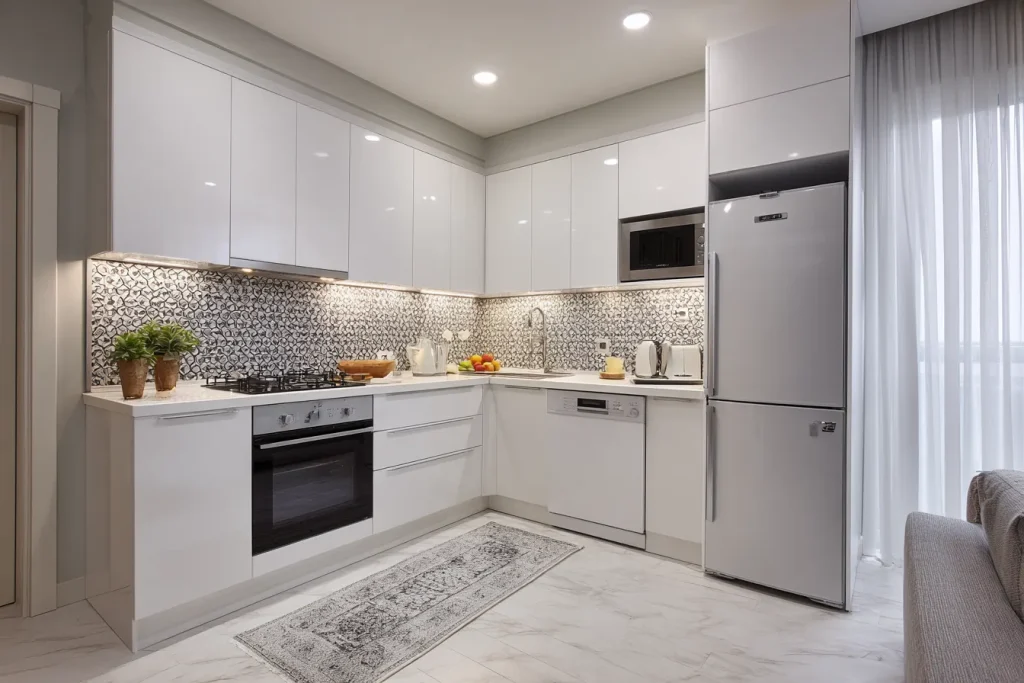
A luxury kitchen is not built by price tags alone; it is built by decisions that make cooking feel calmer, cleaner, and more personal. For many American homeowners, Stylish Cooking starts when the kitchen stops acting like a crowded utility room and begins working like the true center of the home. That shift can happen in a downtown condo, a suburban family house, or a renovated ranch kitchen with worn floors and great bones. The point is not to chase a showroom look. The point is to create a space that supports how you cook, host, clean, move, and live.
A polished kitchen also carries social weight now. Guests notice the lighting, the island, the storage, and the quiet confidence of a room that feels intentional. Homeowners exploring premium home lifestyle ideas often find that the best upgrades are not the loudest ones. They are the ones that remove daily friction. Better prep zones. Warmer surfaces. Smarter drawers. Lighting that flatters dinner and helps you see the garlic before it burns. Luxury works best when it earns its keep.
Luxury Kitchen Upgrade Ideas That Start With Layout
A kitchen can wear marble, brass, and custom cabinets and still feel wrong if the layout fights the cook. The finest upgrade begins with movement, because every meal has a rhythm: reach, rinse, chop, cook, plate, serve, clean. When that rhythm breaks, the room feels expensive but annoying. That is the mistake many homeowners make when they start with finishes before fixing flow.
Why Better Kitchen Flow Feels More Expensive Than More Décor
Great kitchen flow gives you fewer steps between the sink, refrigerator, cooktop, and prep space. That old “work triangle” idea still matters, but modern kitchens ask more from the room. You may have two adults cooking, kids grabbing snacks, someone charging a laptop, and a guest leaning on the island with a drink. The layout must protect the cook without making the room feel closed off.
A strong upgrade might mean moving a microwave into a drawer, adding a prep sink near the island, or widening the walkway between the island and range. In many U.S. homes, especially open-plan houses built after the 1990s, the island became the center of the kitchen. That works only when the island does not block access to the refrigerator or trap the cook in a traffic lane.
The counterintuitive truth is simple: empty space can be luxurious. A kitchen with breathing room feels more custom than one packed with cabinets on every wall. When you leave space for movement, the room stops shouting and starts serving.
How an Island Becomes a Working Centerpiece
An island should do more than sit in the middle looking polished. The best island earns its footprint by solving at least two needs at once. It might provide deep storage on the cooking side and relaxed seating on the living side. It might hold a prep sink, hidden outlets, a beverage fridge, or a wide slab of stone that gives you room to roll dough without clearing mail first.
Many American families use the island as a landing zone for everything from groceries to homework. That means luxury depends on discipline. If the island becomes a dumping ground, even the finest countertop loses its power. A smart upgrade adds drawers for daily tools, a hidden charging station, and seating that feels comfortable enough for breakfast but not so bulky that it blocks movement.
The best island does not dominate the kitchen. It anchors it. That difference matters because a good centerpiece gives the room order, while a bad one becomes an obstacle with pendant lights above it.
Choosing Surfaces That Look Rich and Work Hard
Once the layout feels right, surfaces decide how the kitchen behaves under pressure. Counters, backsplashes, floors, and cabinet finishes carry the daily abuse of real cooking. They handle hot pans, coffee rings, crumbs, spills, dog paws, and rushed weeknight dinners. Luxury should not make you nervous every time someone opens a jar of pasta sauce.
What Countertops Say About Daily Living
Countertops set the tone faster than almost any other surface. Natural stone brings depth and character, while engineered quartz offers consistency and lower maintenance. But the smartest choice depends on how you live. A baker may love a cool stone surface. A busy family may prefer a counter that shrugs off stains. A serious home cook may need heat tolerance near the range more than a dramatic vein pattern.
In many upscale U.S. kitchens, quartzite has become a favorite because it gives a natural stone look with strong durability. Still, no surface is magic. Marble can etch. Butcher block needs care. Concrete can stain. The mistake is choosing based on photos instead of habits. A kitchen used hard needs surfaces that age with dignity, not surfaces that punish normal life.
A rich counter should invite use. If a surface makes you hover over guests with a towel in your hand, it may be beautiful, but it is not generous. Real luxury gives people permission to live in the room.
Why Cabinet Texture Can Beat Cabinet Color
Cabinet color gets most of the attention, but texture often creates the richer effect. Flat white cabinets can look crisp, yet they may feel cold if nothing in the room has grain, depth, or shadow. Wood tones, reeded panels, inset doors, and soft matte finishes add quiet complexity. They make the kitchen feel designed rather than decorated.
A homeowner in Texas might pair warm white oak cabinets with stone counters and black hardware for a grounded look. A New York apartment kitchen might use slim walnut fronts to bring warmth into a tight footprint. In both cases, the texture does the heavy lifting. It gives the eye something to rest on without making the room busy.
The unexpected move is to avoid making every cabinet match. A darker island, glass-front uppers, or a wood pantry wall can break the flatness. The room feels collected, not ordered from one page of a catalog.
Lighting, Appliances, and Details That Change the Mood
A kitchen becomes memorable when the functional pieces carry atmosphere. Lighting, appliances, hardware, and fixtures may seem secondary after layout and surfaces, but they shape how the room feels at 7 a.m. and 8 p.m. A kitchen can look impressive in daylight and fall flat after sunset if the lighting has no layers.
How Layered Lighting Supports Stylish Cooking
Good lighting is not one bright ceiling fixture. It is a system. Recessed lights give general brightness. Under-cabinet lights make prep safer. Pendants over the island add character. Small lights inside glass cabinets or open shelves create a soft evening mood. Together, they let the room shift from cooking mode to hosting mode without changing the furniture.
Stylish Cooking depends on seeing clearly without feeling like you are standing under office lights. That means warm bulbs, dimmers, and careful placement. Under-cabinet lighting should fall on the counter, not blast the backsplash. Pendants should frame the island without blocking sightlines. Recessed lights should support the room, not flatten it.
A small lighting mistake can cheapen an expensive kitchen fast. Too many cold bulbs make stone look harsh and food look dull. Warm, adjustable light makes the same materials feel softer, richer, and more welcoming.
Why Appliances Should Fit Your Habits, Not Your Ego
Premium appliances can raise a kitchen’s performance, but only when they match the cook. A six-burner range sounds impressive until you realize you use two burners most nights and would gain more from a better ventilation hood. A huge built-in refrigerator can look grand, but a family that buys fresh groceries twice a week may need smarter drawer storage more than extra cubic feet.
The best appliance upgrades solve known pain. A steam oven helps if you reheat leftovers, bake bread, or cook vegetables often. A quiet dishwasher matters if the kitchen opens to the family room. An induction cooktop can make cleaning easier and cooking faster for people who value control. The right choice feels personal, not performative.
One overlooked detail is noise. Luxury kitchens should sound calm. Soft-close drawers, quiet ventilation, and low-noise dishwashers change the whole mood of the home, especially in open layouts where cooking, watching TV, and conversation all happen within earshot.
Storage and Personal Touches That Make the Room Feel Custom
The final layer of luxury is not what guests notice first. It is what you feel every time you open a drawer and find exactly what you need. Storage and personal details decide whether a kitchen stays beautiful after the first month. Without them, the room slowly slides back into clutter, no matter how much the remodel cost.
How Hidden Storage Protects the Look
Hidden storage works because it keeps visual noise under control. Appliance garages, tray dividers, spice pullouts, deep drawers, and pantry systems help everyday items disappear without becoming hard to reach. The trick is not hiding everything. The trick is hiding the things that make the room feel messy.
A family kitchen in Ohio might need a snack drawer low enough for kids, a tall pantry for bulk shopping, and a cabinet near the door for lunch boxes. A couple in a Florida condo might need pullout shelves, slim vertical storage, and a compact coffee station behind pocket doors. Both homes benefit from storage shaped around behavior instead of fantasy.
The counterintuitive insight is that open shelving can look less luxurious when it forces constant styling. A few open shelves may work for pretty dishes or glassware, but closed storage usually ages better. A kitchen should not require a photo shoot before breakfast.
Why Personal Details Keep Luxury From Feeling Cold
A stylish kitchen needs at least a few choices that feel personal. Maybe it is a handmade tile backsplash, a family recipe framed near the pantry, a vintage runner, or a pair of stools that bring warmth into a polished room. These pieces stop the kitchen from feeling like a staged listing. They tell the room who lives there.
American homeowners often worry that personal touches will reduce resale appeal. That fear leads to beige rooms with no pulse. The better path is balance. Keep major investments timeless, then let smaller details carry character. Hardware, lighting, art, rugs, and stools can change later without tearing out the kitchen.
Luxury without personality feels rented, even when you own the house. The strongest kitchens have a point of view. They look refined, but they still know how to hold Sunday pancakes, late-night tea, and one person standing barefoot at the counter eating leftovers from a bowl.
Conclusion
A luxury kitchen should not make cooking feel precious or fragile. It should make the work feel smoother, the room feel warmer, and the home feel more capable of handling real life. The smartest upgrades begin with movement, then build through surfaces, lighting, appliances, storage, and personal detail. That order matters. When you reverse it, you end up paying for beauty that cannot carry the day.
The next wave of high-end kitchen design will belong to homeowners who value ease as much as appearance. Stylish Cooking is not about copying a showroom or buying the most expensive range on the market. It is about building a room that gives you confidence every time you step into it. Start with the one frustration you feel most often in your kitchen, then choose the upgrade that removes it with grace. A kitchen becomes luxurious when it stops demanding attention and starts making every meal feel better.
Frequently Asked Questions
What are the best luxury kitchen upgrades for everyday cooking?
Start with layout, lighting, and storage before choosing expensive finishes. A better island, deep drawers, under-cabinet lighting, and durable counters can improve daily cooking more than decorative changes. The best upgrades remove friction from prep, serving, cleanup, and movement.
How can I make my kitchen look expensive on a smaller budget?
Focus on visible details with high impact. Replace cabinet hardware, add warm lighting, upgrade the faucet, paint cabinets, and use a clean backsplash. A clutter-free counter and balanced styling can make a modest kitchen feel more polished without a full remodel.
Which countertop material is best for a luxury kitchen?
Quartz, quartzite, marble, granite, and butcher block can all work, but the best choice depends on your habits. Quartz is low maintenance, quartzite feels natural and durable, marble looks classic but needs care, and butcher block adds warmth when maintained well.
Are smart appliances worth it in a high-end kitchen?
Smart appliances are worth it when they solve a real problem. Remote oven alerts, precise temperature control, quiet dishwashers, and energy tracking can help busy households. Avoid paying for features you will ignore after the first week.
How do I choose lighting for a luxury kitchen design?
Use layers instead of one bright fixture. Combine recessed lighting, under-cabinet lighting, pendants, and dimmers. Warm light usually feels better in kitchens because it flatters wood, stone, food, and skin tones during both cooking and hosting.
What kitchen cabinet style looks most timeless?
Inset, shaker, slab, and natural wood cabinets can all stay timeless when proportions are clean. Avoid overly ornate trim or trend-heavy colors on large surfaces. Texture, quality hardware, and balanced contrast often age better than bold cabinet statements.
How much space should be around a kitchen island?
Most kitchens need about 36 to 48 inches of clearance around an island, depending on traffic and appliance doors. Busy family kitchens usually feel better closer to the wider end. Tight clearance can make even a beautiful island feel frustrating.
What makes a kitchen feel custom rather than standard?
A custom feeling comes from details shaped around your life. Drawer organizers, appliance garages, panel-ready appliances, mixed materials, tailored lighting, and personal accents make the room feel planned. The goal is not excess. The goal is a kitchen that fits you.