

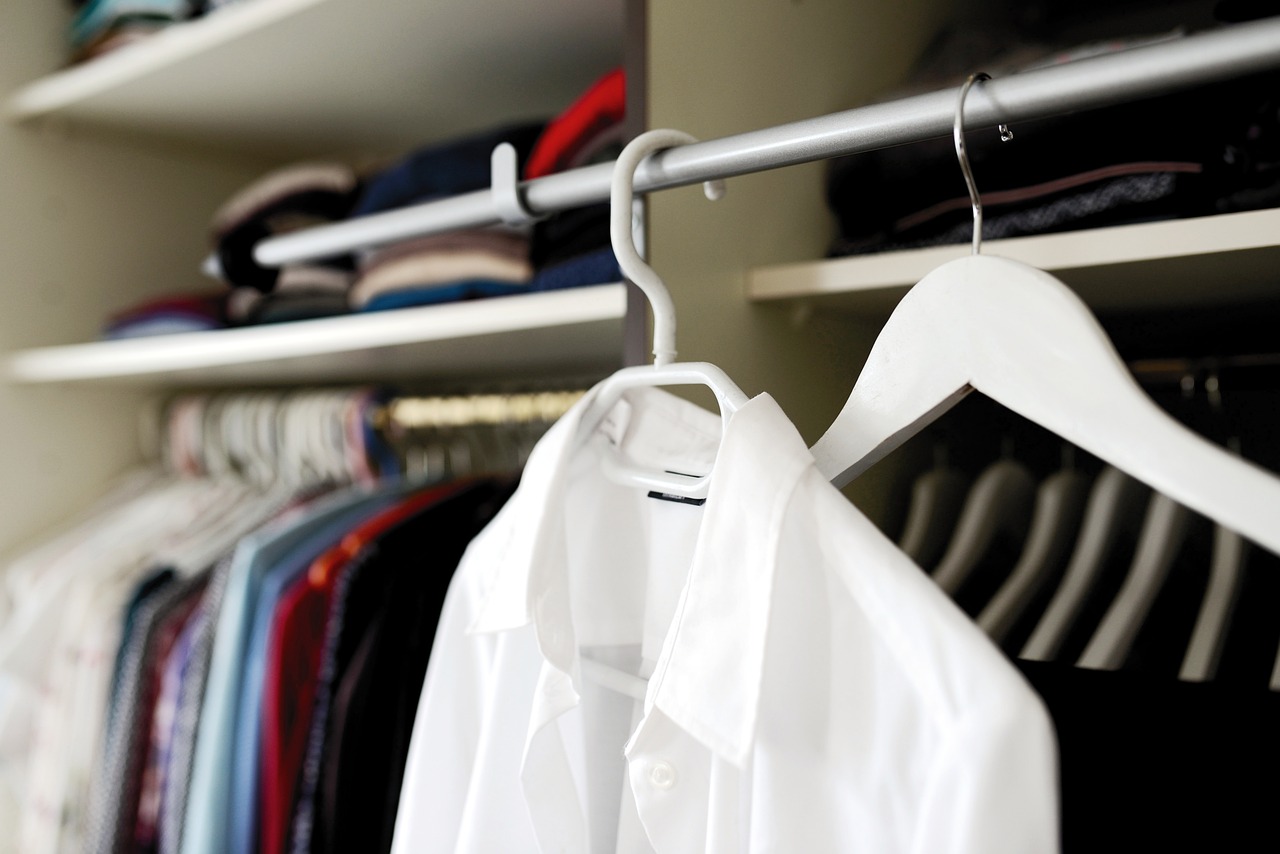
A closet can look full and still leave you with nothing that feels right. That is the quiet frustration that pushes many Americans toward capsule wardrobes, especially when mornings are rushed, laundry is half-done, and every outfit seems to need one missing piece. The point is not to own less for the sake of it. The point is to own better, so your clothes stop arguing with each other.
For anyone building a first closet with intention, simple fashion essentials matter more than trends, labels, or the number of hangers you fill. A good starter wardrobe should help you get dressed for work, errands, dinner, travel, and casual weekends without turning every choice into a project. Style resources like modern lifestyle and fashion insights can help, but the real win starts inside your own closet.
Most people do not need a perfect minimalist wardrobe. They need clothing that fits their body, their schedule, their local weather, and their actual life. A first capsule should feel useful from Monday morning to Sunday afternoon, not like a showroom display you are scared to touch.
Start With Real Life Before You Buy Anything
A first wardrobe fails when it begins with fantasy. You may love sharp blazers, linen trousers, or crisp white shirts, but those pieces only earn space if they match the life you live. A nurse in Ohio, a remote worker in Austin, and a college student in Boston do not need the same closet, even if they all admire the same Pinterest board.
Why Your Weekly Routine Should Shape Wardrobe Basics
Your calendar is the best stylist you already have. Before buying anything, look at one normal week and count where your clothes actually go. Workdays, grocery runs, school pickup, gym stops, casual dinners, church, coffee dates, and travel days all pull different weight.
A common mistake is building around special moments while ignoring repeat moments. Someone may own four dresses for dinner out but only one pair of pants that works for an ordinary Tuesday. That creates daily friction, and daily friction is what makes a closet feel broken.
Wardrobe basics should cover the clothes you reach for again and again. For many Americans, that means clean denim, soft tees, easy knitwear, comfortable shoes, and one layer that can make a casual outfit look finished. The best pieces do not shout. They quietly keep showing up.
The unexpected truth is that your most boring clothes may become your most valuable ones. A plain black tee that fits well can beat a loud trend piece ten times in a week. That is not dull style. That is smart ownership.
How Climate Changes What Fashion Essentials Mean
Weather decides more than people admit. A first closet in Phoenix should not copy a first closet in Seattle. The same goes for Miami, Denver, Chicago, and New York. Temperature, rain, humidity, snow, and indoor air conditioning all change what you need.
In warmer states, breathable cotton, linen blends, loose button-down shirts, and lightweight pants often carry more value than heavy layering pieces. In colder places, a knit sweater, wool coat, thermal base layer, and reliable boots can do more for your style than ten thin tops.
Fashion essentials should solve your climate problems before they solve your mirror problems. A beautiful suede shoe is not helpful if your sidewalks are wet for half the year. A thick coat makes no sense if your winters barely dip below 50 degrees.
This is where smart shopping becomes personal. Do not buy for the version of yourself who lives somewhere else. Buy for the weather that greets you at your actual front door.
Simple Fashion Essentials for Capsule Wardrobes
A first capsule should not feel like a strict uniform. It should feel like a small team of clothes that all know how to work together. The strongest pieces share color, shape, comfort, and purpose, so you can build outfits without fighting your own wardrobe.
Which Tops Work Hardest in a First Capsule Wardrobe?
Tops carry more visual weight than most people realize. They sit near your face, show in photos, and often decide whether an outfit feels clean or careless. For a first capsule wardrobe, start with pieces that can handle repetition without looking tired.
A strong base can include two solid tees, one long-sleeve top, one button-down shirt, one lightweight sweater, and one slightly elevated blouse or knit polo. The exact mix can shift, but each top should work with at least three bottoms. That rule keeps your closet honest.
White, black, navy, gray, cream, olive, denim blue, and soft brown are easy starting colors. They do not need to be plain forever, but they give your first closet room to breathe. A striped tee or subtle texture can add interest without trapping you in one outfit formula.
Fit matters more than brand. A $25 tee that sits cleanly at the shoulder will look better than a designer shirt that twists, clings, or gaps. The mirror does not care what the receipt said.
Why Bottoms Decide Whether Simple Outfits Feel Finished
Bottoms are where many starter wardrobes fall apart. People buy tops because they feel fun, then wonder why every outfit lands wrong. The truth is simple: poor bottoms make good tops work too hard.
Most first capsules can begin with one pair of dark jeans, one pair of lighter casual pants, one tailored trouser or clean work pant, and one skirt or relaxed short if it suits your lifestyle. The goal is range, not quantity. Each bottom should give your tops a different mood.
A pair of straight-leg dark jeans can go from school pickup to casual Friday with only a shoe change. Tailored black pants can work for office days, dinners, and travel when the fabric has enough comfort. Casual pants in khaki, olive, or beige make weekend outfits look more intentional.
Here is the counterintuitive part: stretchy does not always mean comfortable. A fabric with structure can feel better all day because it does not sag, cling, or need constant adjusting. Comfort is not softness alone. It is freedom from thinking about your clothes.
Build Outfits Around Layers, Shoes, and Small Details
Once your core pieces work, the next step is making them feel styled. Layers, shoes, and accessories give a small wardrobe range. They help the same tee and jeans look different on a Monday errand, a Friday lunch, or a quick overnight trip.
How Layers Make Wardrobe Basics Look More Expensive
A layer is often the difference between dressed and thrown together. It gives shape, texture, and purpose to pieces that may look too plain on their own. A simple cardigan, denim jacket, blazer, trench, or chore coat can change the whole message of an outfit.
For a first capsule, choose one casual layer and one polished layer. A denim jacket or soft cardigan can handle weekends. A blazer, long coat, or clean jacket can handle work, dinner, and moments when you want to look more pulled together.
Layers also help with real American life, where outdoor weather and indoor temperatures rarely agree. You may leave home in a cool morning, sit under office air conditioning, then walk into a warm afternoon. A good layer gives you control without needing a second outfit.
The best layer should close, move, and sit well over your normal tops. Too many people buy jackets that only look good standing still. Your clothes need to survive reaching, sitting, driving, carrying bags, and living like a person.
What Shoes Make Simple Outfits More Wearable?
Shoes can ruin a capsule faster than almost anything else. A closet may have strong clothing, but if every shoe hurts, clashes, or fits only one situation, getting dressed still feels hard. A first wardrobe needs shoes that respect your actual movement.
Most people can start with three pairs: a clean sneaker, a comfortable flat or loafer, and one dressier shoe or boot. The details depend on your life. A city commuter may need walking sneakers and weatherproof boots. A suburban office worker may need loafers and simple ankle boots.
Neutral shoes stretch your outfit options. White sneakers, black loafers, brown boots, tan sandals, or simple ballet flats can support many looks without demanding attention. That does not mean shoes must be boring. It means they should not hold the whole closet hostage.
A smart shoe test is simple: can you wear it for six hours without becoming angry? If the answer is no, it belongs in a fantasy closet, not a capsule. Real style falls apart when pain becomes part of the outfit.
Keep Your First Capsule Flexible, Not Frozen
A first capsule is not a lifetime contract. Your body, job, budget, taste, and schedule can change. The goal is to create a strong starting point, then adjust with care instead of rebuilding from panic every season.
How to Add Personality Without Breaking a Capsule
A small wardrobe should never erase your personality. It should make your personality easier to see because the background is calmer. Once the base works, a few expressive pieces can carry more impact.
Personality can come through jewelry, a patterned scarf, a colored sweater, a textured bag, a sharp belt, or one standout jacket. The key is restraint with purpose. One red cardigan can brighten ten outfits. Five random statement tops may create more confusion than style.
Affordable choices work well here. A Target belt, thrifted silk scarf, or vintage denim jacket can bring character without wrecking your budget. Style has never belonged only to expensive stores, and anyone who says otherwise is selling something.
The surprise is that limitation often makes personality stronger. When every piece tries to be interesting, nothing stands out. When most pieces stay calm, one chosen detail can speak clearly.
When Should You Replace or Expand Your First Capsule Wardrobe?
Expansion should happen after you notice a repeated need, not after one emotional shopping trip. If you keep wishing for a second pair of work pants, that is useful information. If you want a neon jacket because it looked fun online at midnight, wait.
A good rule is to track outfit gaps for two weeks. Write down what you wanted but did not own. Maybe you needed a rain jacket, a warmer sweater, a better white tee, or shoes that work with dresses. Patterns reveal truth.
Replacement matters too. Worn-out basics can make a whole wardrobe feel tired. A pilled sweater, stretched tee, or faded black pant may still be wearable at home, but it might not support the clean look you want outside.
Give your closet a small review every season. Do not attack it with guilt. Pull what no longer fits, note what you wore often, and decide what would make the next three months easier. That calm rhythm keeps your wardrobe useful without turning style into a second job.
Conclusion
A first wardrobe should make daily life lighter, not turn getting dressed into a test of discipline. The best closets are not built from panic buys, trend hauls, or someone else’s perfect checklist. They come from paying attention to your real week, your weather, your body, and the clothes that make you feel ready without trying too hard.
Simple fashion essentials work because they remove noise. They give you fewer weak choices and more strong ones. That does not mean your style becomes plain. It means your clothes finally stop competing for attention and start supporting the person wearing them.
Start small, test everything, and let your wardrobe prove itself through use. Buy the piece that solves a real problem, not the one that promises a new identity. Open your closet this week, choose the ten items that already work hardest, and build from there with patience and nerve.
Frequently Asked Questions
What should be in a first capsule wardrobe?
Start with tops, bottoms, layers, shoes, and one or two accessories that work across your normal week. A strong first capsule often includes tees, a button-down, jeans, trousers, a sweater, a jacket, sneakers, and one polished shoe.
How many pieces do beginners need for a capsule wardrobe?
Most beginners can start with 25 to 35 pieces, including shoes and layers. The exact number matters less than how well the pieces work together. A smaller closet with strong outfit combinations beats a larger one full of disconnected items.
What colors are best for a first capsule wardrobe?
Neutral colors are easiest for beginners because they mix well. Black, white, navy, gray, beige, olive, denim blue, and brown make strong foundations. Add one or two accent colors after your base pieces already work together.
How do I build a capsule wardrobe on a budget?
Shop slowly and start with what you already own. Keep the pieces that fit well and match your lifestyle. Then buy only the missing items that create several outfits. Thrift stores, outlet racks, and seasonal sales can help stretch your budget.
What clothing items should I avoid in a starter capsule?
Avoid pieces that only work for one rare occasion, need constant adjusting, or clash with most of your closet. Trend-heavy items can be fun later, but they often make a first capsule harder to use.
Can a capsule wardrobe still look stylish?
A capsule wardrobe can look stylish when fit, proportion, and small details are handled well. Clean shoes, good layers, strong basics, and one personal accent can make simple outfits look intentional instead of plain.
How often should I update my capsule wardrobe?
Review your capsule every season, but do not replace things without reason. Update pieces when your weather, job, size, or routine changes. Replace worn basics first because tired essentials can make every outfit feel weaker.
What is the biggest mistake beginners make with capsule wardrobes?
The biggest mistake is copying someone else’s list without checking your own life. A capsule should fit your schedule, climate, budget, and comfort needs. The best wardrobe is not the most minimal one. It is the one you actually wear.