

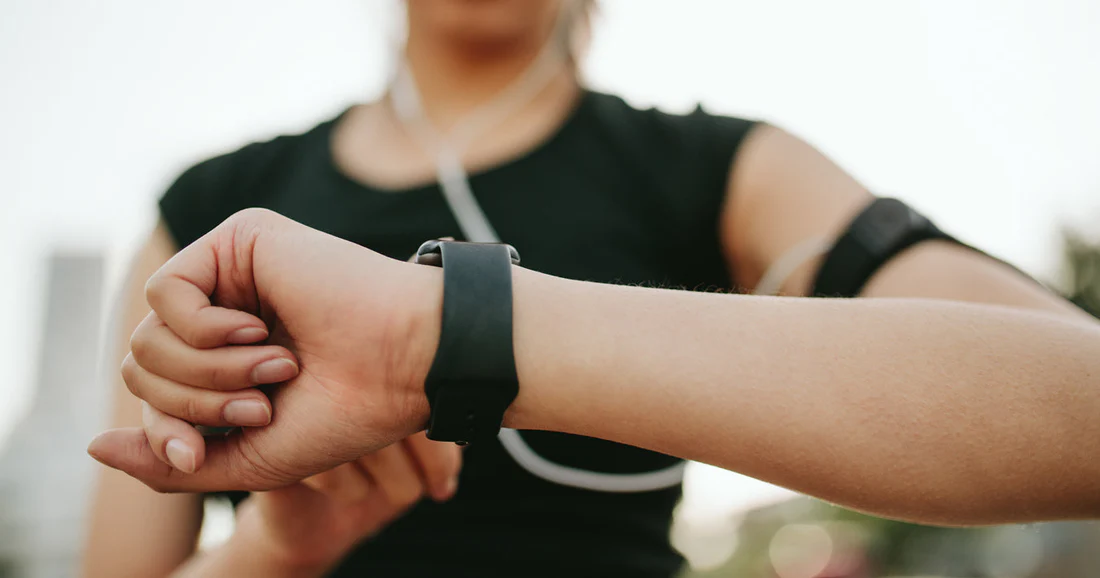
Most people do not quit fitness because they hate movement. They quit because they cannot see whether their effort is working. That is where fitness tracking ideas can turn a vague routine into something you can measure, adjust, and trust. For many Americans balancing long workdays, family demands, commutes, and screen-heavy schedules, progress often feels invisible until clothes fit better or energy returns. Waiting that long makes motivation fragile. A smart tracking habit gives you proof much earlier.
Good tracking does not mean turning your life into a spreadsheet. It means noticing the right signals at the right time. You can track a walk around a Texas neighborhood, a garage workout in Ohio, a gym session in California, or a quick lunch-break stretch in New York without making the process feel like homework. Even platforms that help people build better daily systems, such as practical lifestyle improvement resources, work best when the goal is simple: make better choices easier to repeat.
Fitness Tracking Ideas That Start With the Right Baseline
A baseline is not a judgment. It is a starting photo of your current routine, without shame attached to it. Many people skip this step because they want to jump straight into improvement, but that rush creates confusion later. You cannot know whether your fitness progress is real unless you know where you began.
Why your first week should feel almost boring
A strong first week does not need dramatic change. Track what you already do before you try to improve it. Count your usual steps, note your workout length, write down your energy after exercise, and record how your body feels the next morning.
This works because your normal pattern tells the truth. A person in Phoenix who averages 3,500 steps on weekdays does not need to copy someone walking 12,000 steps in Boston. They need a next step that fits their real life. Boring data often saves people from reckless plans.
Your first week should also include rest days. Many beginners only record workouts, which makes recovery look like failure. That is a mistake. Rest, sleep, soreness, and mood all shape your exercise habits, especially when your week includes work stress or family responsibilities.
How to measure progress without chasing perfect numbers
Numbers help, but they can also boss you around. Step counts, workout minutes, reps, and heart rate all give useful clues, yet none of them tells the whole story. The better move is to pair numbers with notes.
Write one short sentence after each session. “Felt strong after breakfast.” “Left knee tight after stairs.” “Could have done more.” These notes add context that your phone cannot capture. A five-mile walk after poor sleep may feel harder than a longer walk on a calm Saturday morning.
Real progress often shows up as better control. Maybe you recover faster after a workout. Maybe you stop skipping Mondays. Maybe your breathing settles sooner after climbing stairs. Those wins matter because they prove your body is adapting, not merely surviving.
Building Fitness Progress Around Habits You Can Repeat
Tracking only works when the habit is easy enough to keep. A complicated system may feel exciting for three days, then collapse under normal life. The better path is plain: choose a few signals, check them often, and use them to make small choices before problems grow.
What should you track after every workout?
Every workout should leave behind a few useful details. Record the date, activity, duration, effort level, and one body note. That is enough for most people. A runner in Colorado, a parent doing dumbbell squats in a basement, and a retiree walking in Florida can all use the same simple pattern.
Effort level deserves special attention. A workout can be short and still hard. Another can be long but gentle. Use a 1 to 10 scale, where 1 feels like strolling through a store and 10 feels like a full push you cannot hold for long.
This tiny record helps you spot patterns. If every session feels like an 8 or 9, burnout may be coming. If every session stays at 3, you may be maintaining rather than improving. Neither is wrong, but the record forces honesty.
Why consistency beats intensity for most adults
Intensity gets attention because it feels impressive. Consistency changes bodies because it survives real schedules. Most adults in the U.S. are not training for medals. They want more energy, better strength, steadier weight, less stiffness, and a body that does not complain during normal life.
A person who walks 25 minutes five days a week often builds better exercise habits than someone who crushes one weekend workout and disappears. The steady person gets more practice, more feedback, and more chances to adjust.
Here is the counterintuitive part: moderate effort can teach more than maximum effort. When you are not exhausted, you notice form, breathing, soreness, and mood. That awareness improves decisions. Hard work has a place, but steady work builds the floor you stand on.
Using Simple Tools Without Letting Them Control You
Fitness apps, watches, paper notebooks, and phone notes can all help. The tool matters less than the behavior it supports. A $300 watch cannot fix a scattered routine, and a cheap notebook can become powerful when you use it with care.
When a fitness app helps and when it distracts
A fitness app helps when it reduces friction. It should make recording easier, show trends clearly, and remind you without nagging. Many Americans already use phones for calendars, banking, maps, and grocery lists, so using one for fitness progress can feel natural.
The problem starts when the app becomes the goal. Badges, streaks, and scores can push you into choices your body did not ask for. You might walk late at night only to protect a streak, even though sleep would help more. That is not discipline. That is obedience to a screen.
Use apps as mirrors, not managers. Check the trend, learn from it, then make a human decision. A tool should support your judgment, not replace it.
How paper tracking can reveal what devices miss
Paper tracking feels old-fashioned, which is why it works for some people. A notebook slows you down. It asks you to think for a moment instead of tapping a button and moving on. That pause can reveal what your device misses.
Write your workout goals at the top of the week. Under each day, record what you did and how it felt. Leave room for short notes about sleep, stress, meals, or soreness. Over time, patterns appear in plain sight.
For example, you may notice that strength workouts feel better on days you eat breakfast. You may see that Sunday planning improves Monday follow-through. Devices gather data quickly, but paper can make you understand it more deeply.
Turning Workout Goals Into Better Weekly Decisions
A goal is not useful until it changes what you do this week. Big outcomes like losing weight, improving stamina, or building strength need smaller checkpoints. Without those checkpoints, you only find out too late whether your plan is working.
How to set goals that fit your actual life
Good workout goals respect your schedule before they challenge your body. A nurse working 12-hour shifts, a truck driver crossing state lines, and a remote worker sitting through video calls need different plans. Copying someone else’s routine often creates guilt instead of progress.
Set a weekly target you can hit on an average week, not your best week. Three workouts, four walks, two strength sessions, or 90 total active minutes may be enough to start. The target should stretch you a little without turning life into a negotiation.
Keep one backup version of every goal. If your full workout is 40 minutes, your backup might be 12 minutes. If your walk target is 30 minutes, your backup might be one lap around the block. Backup plans protect identity. You still become the person who shows up.
Why weekly reviews matter more than daily motivation
Daily motivation changes with weather, sleep, work pressure, and mood. Weekly review gives you a steadier view. Look at the full pattern every Sunday or Monday, then decide what needs to change.
Ask three questions. What worked? What got in the way? What is the next small adjustment? These questions keep tracking practical. You are not judging your character. You are editing a plan.
A useful review might show that Tuesday workouts fail because meetings run late. Move that workout to Wednesday morning. It might show that weekend walks happen only when shoes are by the door. Keep them there. Tiny changes create fewer excuses.
Keeping Tracking Human, Flexible, and Worth Doing
The biggest danger in tracking is turning health into a punishment system. You are not building a courtroom for your choices. You are building a feedback loop that helps you live better. The best systems leave room for missed days, slow weeks, and normal human mess.
How to avoid guilt when the numbers drop
Numbers will drop. Steps fall during storms. Workouts shrink during travel. Strength dips after poor sleep. None of that means your plan failed. It means life happened, and your system needs enough flexibility to survive it.
Treat low numbers as information. If your activity falls every Friday, maybe the week drains you more than you admit. If your workouts fade during school events, plan shorter sessions during those weeks. A pattern is not an insult. It is a map.
Guilt makes people hide from their records. Curiosity keeps them looking. When you can review a weak week without attacking yourself, tracking becomes useful again.
How to know when your tracking system needs a reset
A tracking system should make action clearer. If it makes you anxious, bored, or obsessed, reset it. You may be tracking too many things, checking too often, or comparing your data to people with different lives.
Cut the system down to three signals for two weeks. Track movement, effort, and recovery. That is enough to rebuild trust. Once the habit feels calm again, add one extra detail only if it helps you make better decisions.
Real improvement feels steadier than most people expect. It is less like flipping a switch and more like cleaning a dirty windshield. One small wipe does not change the road, but it helps you see where you are going.
Conclusion
Better health does not come from collecting more numbers. It comes from paying attention to the few numbers that help you act. The smartest fitness tracking ideas are the ones you can keep using when work gets busy, motivation gets low, and your routine feels ordinary again.
Start with a baseline, choose simple signals, review your week, and adjust without drama. That approach respects the way real Americans live. It leaves room for school pickups, long shifts, winter weather, sore knees, crowded gyms, and weeks that do not go according to plan.
Your next step should be small enough to begin today. Pick one thing to track for the next seven days, whether it is walks, workouts, effort, or recovery. Keep it honest, keep it simple, and let the record guide your next move. Progress gets easier when you stop guessing.
Frequently Asked Questions
What are the best fitness tracking ideas for beginners?
Start with steps, workout minutes, effort level, and one short note about how your body feels. Beginners do not need advanced charts. A simple record helps you notice patterns, stay honest, and improve without turning fitness into a full-time project.
How often should I track my fitness progress?
Track quick details after each workout, then review the full week once. Daily notes capture fresh information, while weekly review shows patterns. This balance keeps you informed without making you obsess over every small rise or dip.
Can I track workouts without a fitness watch?
A notebook, phone note, calendar, or spreadsheet works well. Record the activity, time, effort, and body response. Watches can help, but they are not required. The habit of paying attention matters more than the device.
What fitness progress signs should I watch besides weight?
Look for better energy, stronger lifts, easier breathing, improved sleep, less soreness, steadier mood, and better consistency. Weight can be useful for some goals, but it misses many signs that your body is getting stronger and more capable.
How do I set workout goals that I can actually keep?
Choose goals that fit an average week, not a perfect week. Set a main target and a smaller backup target. This keeps you moving when your schedule gets messy and prevents one missed workout from turning into a lost week.
Why do I lose motivation even when I track my workouts?
Motivation often drops when tracking feels like pressure instead of feedback. Simplify your system, track fewer things, and focus on decisions you can control. The goal is to learn from your record, not punish yourself with it.
What should I write after each workout?
Write the date, exercise type, duration, effort level, and one note about your body. That note might mention soreness, energy, breathing, or mood. Over time, those small comments explain your progress better than numbers alone.
How long before fitness tracking shows real improvement?
Many people notice useful patterns within two to four weeks. Physical changes may take longer, but tracking can show early wins such as better consistency, faster recovery, and improved stamina. Those signals help you keep going before bigger results appear.