

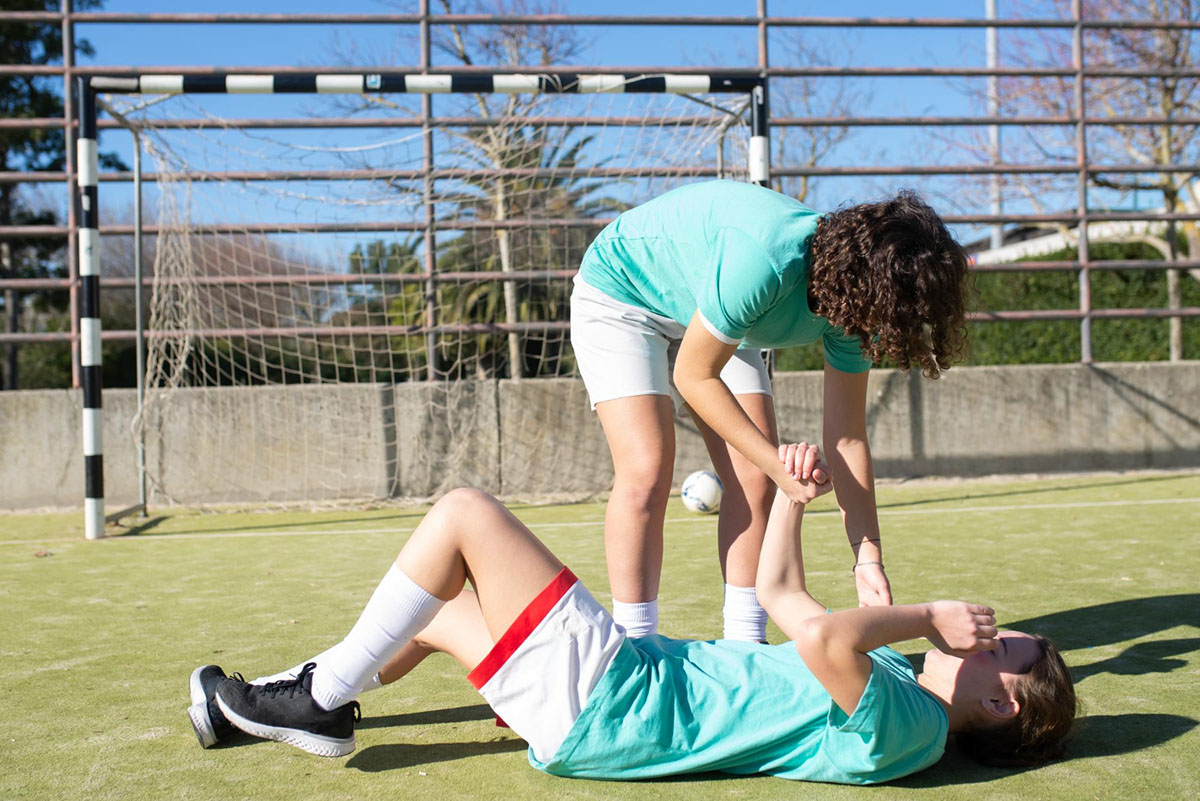
Sports injuries are often seen as an inevitable part of staying active. Whether you’re a weekend football player, a gym enthusiast, or a competitive athlete, the risk of strains, sprains, and overuse injuries is always present. But what’s less understood is how recovery actually works—and why some people bounce back quickly while others struggle with lingering pain.
Modern rehabilitation has evolved far beyond simple rest and basic exercises. Today, recovery is guided by a combination of biomechanics, physiology, and evidence-based therapy techniques that aim not just to heal injuries, but to restore full function and prevent recurrence.
Why Do Sports Injuries Happen in the First Place?
At a basic level, injuries occur when the body is pushed beyond its current capacity. This can happen suddenly—like an ankle sprain during a quick change of direction—or gradually through repetitive stress, such as tendonitis from overtraining.
Some of the most common contributing factors include:
- Muscle imbalances that place uneven stress on joints
- Poor movement mechanics during exercise or sport
- Inadequate recovery time between training sessions
- Weak stabilizing muscles, especially around the hips and core
- Improper technique or posture
Understanding the root cause is critical. Treating only the symptoms often leads to recurring injuries.
The Phases of Recovery: More Than Just Rest
Recovery is not a single step—it’s a process that unfolds in stages. Each phase plays a distinct role in healing.
1. Acute Phase (Inflammation and Protection)
Immediately after an injury, the body initiates inflammation. While often associated with pain, this response is essential for healing. The focus here is on:
- Protecting the injured area
- Managing pain and swelling
- Avoiding further damage
Complete inactivity is rarely recommended unless absolutely necessary. Controlled movement can actually support recovery.
2. Repair Phase (Tissue Healing)
During this stage, the body begins rebuilding damaged tissues. Collagen fibers are produced, but they are initially weak and disorganized.
This is where guided rehabilitation becomes important. Light exercises and manual therapy help:
- Improve blood flow
- Align healing tissues correctly
- Prevent stiffness and loss of mobility
3. Remodeling Phase (Strength and Function)
As healing progresses, the body strengthens and reorganizes tissues. This phase can last weeks or even months.
The focus shifts to:
- Restoring strength and endurance
- Improving flexibility and coordination
- Reintroducing sport-specific movements
Skipping this phase or rushing through it is one of the main reasons injuries return.
The Role of Movement in Recovery
One of the biggest misconceptions about injury recovery is that rest alone is enough. While rest is important initially, prolonged inactivity can lead to:
- Muscle weakness
- Joint stiffness
- Reduced circulation
- Slower healing
Structured movement, tailored to the injury, helps the body adapt and rebuild. This is why rehabilitation programs often include progressive exercise plans rather than passive treatments alone.
Modern Rehabilitation Techniques
Today’s rehabilitation strategies combine multiple approaches to support recovery from different angles.
Manual Therapy
Hands-on techniques help reduce pain, improve joint mobility, and release muscle tension. This can be particularly useful in the early and middle stages of recovery.
Therapeutic Exercise
Customized exercise programs are the foundation of rehabilitation. These exercises target specific weaknesses and gradually rebuild strength and control.
Electrotherapy and Ultrasound
These modalities are often used to manage pain and stimulate healing at a cellular level, although their effectiveness can vary depending on the condition.
Biomechanical Analysis
Understanding how the body moves during activity helps identify faulty patterns that may have contributed to the injury. Correcting these patterns is key to long-term recovery.
Why Some Injuries Keep Coming Back
Recurrent injuries are usually not a matter of bad luck. They often indicate that the underlying issue hasn’t been fully addressed.
Common reasons include:
- Returning to activity too soon
- Incomplete rehabilitation
- Ignoring movement patterns that caused the injury
- Lack of strength in supporting muscles
Effective recovery focuses not just on healing, but on building resilience.
Prevention: The Overlooked Side of Rehabilitation
In many ways, rehabilitation and prevention are closely connected. The same principles used to recover from an injury can help avoid future ones.
Key strategies include:
- Regular strength training, especially for stabilizing muscles
- Proper warm-up and mobility work
- Gradual progression in training intensity
- Paying attention to early signs of discomfort
Education plays a major role here. Understanding how your body responds to stress can make a significant difference in long-term performance.
A More Comprehensive Approach to Recovery
Modern sports injury care is not just about getting rid of pain—it’s about restoring how the body moves and performs. This is where structured, individualized rehabilitation programs stand out.
For those interested in understanding how a tailored approach works in practice, the Northwest Rehab Group sports injury rehabilitation page provides an overview of how different techniques are combined to support recovery and performance.
Final Thoughts
Recovering from a sports injury is rarely a straightforward process. It requires patience, consistency, and a clear understanding of how the body heals. While rest may seem like the simplest solution, effective recovery depends on the right balance of protection, movement, and progression.
By focusing not only on healing but also on strength, mobility, and movement quality, it’s possible to return to activity with greater resilience—and a lower risk of future injury.