

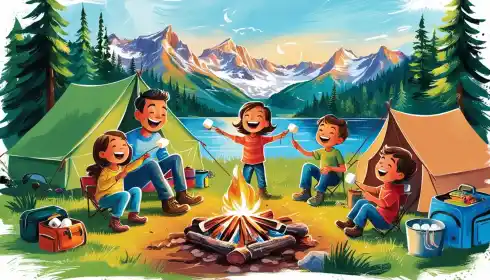
The best weekends do not always need hotel keys, restaurant reservations, or a packed city schedule. Sometimes the memory your kids keep for years starts with a tent zipper, a smoky campfire, and the strange thrill of brushing teeth under a sky full of stars. Good family camping ideas help you turn a simple outdoor trip into something warmer, calmer, and easier to manage, especially when everyone has different ages, energy levels, and comfort zones. For many American families, camping also feels like a reset button after school runs, work screens, and rushed dinners. A quick weekend at a state park, lake campground, or wooded RV site can give your family room to talk without half the house buzzing in the background. It also gives parents a rare chance to build a trip that feels meaningful without spending like a theme park vacation. A helpful outdoor family planning guide can make that first step feel less scattered, especially when you want practical ideas instead of vague inspiration.
Family Camping Ideas That Start Before You Leave Home
A good camping weekend is won long before anyone hammers the first stake into the ground. The mistake many families make is treating camping like a spontaneous escape, then spending the first six hours looking for bug spray, dry socks, batteries, or the one kid’s favorite blanket. Planning does not need to drain the fun out of it. Done right, it protects the fun from the usual little failures that make everyone cranky before sunset.
Build a Simple Packing System for Kids and Parents
Smart packing starts with ownership. Give every child a small duffel, backpack, or plastic bin with a short list they can help check: socks, pajamas, hoodie, flashlight, water bottle, and one comfort item. Younger kids may still need help, but the act of choosing their own camp sweatshirt or trail snack makes them feel part of the trip instead of cargo.
Parents should pack by activity, not by room of the house. One bin for cooking, one for sleeping gear, one for clothing layers, one for camp tools, and one for “save the day” items works better than five random bags. A rainy Friday night at a campground near Lake Tahoe or the Smokies feels a lot less dramatic when dry clothes and headlamps are not buried under pancake mix.
The quiet trick is to pack fewer choices but better backups. Kids do not need six outfits for two nights, yet one extra pair of socks can save a hike. You do not need a huge camp kitchen, but you do need a lighter that works, trash bags, and a towel no one cares about ruining.
Choose a Campsite That Matches Your Real Family
The prettiest campsite is not always the best campsite. A remote tent pad near a mountain stream sounds dreamy until a preschooler needs the bathroom four times after dark. Families should choose sites based on rhythm, not fantasy. Close bathrooms, flat ground, shade, potable water, and a short walk to the car matter more than a dramatic view when kids are tired.
For a first trip, a state park campground or a family-friendly KOA-style site often beats backcountry camping. You get the outdoor feeling with enough structure to reduce stress. In the U.S., places like Shenandoah, Big Bend, Acadia, and local county parks offer different levels of comfort, but the best choice is the one that fits your family’s current stage.
A counterintuitive truth: less wild can mean more wonder. Children do not need total wilderness to feel amazed. A beetle on a picnic table, a raccoon track in mud, or a foggy morning walk to the restroom can feel like a grand adventure when adults slow down enough to notice it with them.
Food, Campfire, and Comfort Plans That Keep Everyone Steady
Food shapes the mood of a camping weekend more than most parents admit. Hungry kids become dramatic. Hungry adults become impatient. A simple meal plan gives the whole trip a center, and it turns ordinary food into a shared ritual instead of a daily negotiation. Comfort works the same way. People enjoy the outdoors more when their basic needs are handled without constant debate.
Plan Camp Meals That Do Not Require Hero Cooking
Camp food should feel special without turning one parent into a short-order cook. Breakfast burritos wrapped in foil, hot oatmeal with toppings, grilled cheese, chili, baked potatoes, and pre-cut fruit all work well because they are forgiving. Nobody wants to chop onions on a wobbly picnic table while mosquitoes hold a committee meeting around their ankles.
Prep at home where possible. Crack eggs into a sealed bottle, cut vegetables, freeze chili, portion pancake mix, and pack snacks where kids can reach them. Families camping near places like Yellowstone or the Blue Ridge Parkway often underestimate how far a grocery run can be once they are inside park roads. The meal you prepare before leaving may save the trip later.
Snacks deserve their own plan. Trail mix, apples, granola bars, cheese sticks, crackers, and peanut butter sandwiches keep small problems from becoming loud ones. The goal is not gourmet cooking. The goal is steady energy and a few campfire moments everyone remembers.
Make Sleep and Warmth Non-Negotiable
Bad sleep can ruin a beautiful site. Kids may act excited at bedtime, but cold ground and strange noises can turn that excitement into tears after midnight. Pack real sleeping pads, warm layers, knit hats, and sleeping bags rated for cooler weather than the forecast suggests. Campground temperatures can drop fast after sundown, especially in mountain states and desert regions.
A bedtime routine helps more than expensive gear. Change into dry clothes, brush teeth, use the bathroom, read one short story, and dim the lantern before everyone gets overtired. Families often try to stretch the campfire too long on the first night, then wonder why the next morning feels rough.
The unexpected insight is that comfort does not weaken the camping experience. It protects it. A child who sleeps warm is more likely to hike, laugh, help, and try again next time. Roughing it has its place, but family trips are not endurance contests.
Activities That Make Outdoor Weekends Feel Memorable
A family camping trip should not run like a school field day, but it also should not depend on everyone magically entertaining themselves. The best activities leave room for boredom, surprise, and loose exploration. Children need structure at the edges, then space in the middle. Parents need the same thing, though many forget it.
Create Low-Pressure Adventures Around the Campsite
Campsite activities work best when they feel easy to start and easy to abandon. A nature scavenger hunt, shadow puppet contest, knot-tying challenge, rock painting, leaf rubbing, or flashlight walk can fill awkward gaps without locking the family into a schedule. These outdoor weekend activities help kids engage with the place instead of treating the campsite like a dirtier version of the living room.
Give each child a small role. One can be the “trail marker spotter.” Another can be in charge of the water jug. An older child can help read the campground map. Responsibility changes the mood because kids stop waiting to be entertained and start acting like part of the crew.
A simple evening walk may become the best moment of the trip. In a campground in Michigan, Oregon, or North Carolina, you might hear frogs, see deer near the tree line, or notice how different the air smells after rain. Those moments rarely happen on command, which is why the schedule needs empty space.
Use Campfire Time for Stories, Skills, and Slower Talk
Campfire time has a strange power. People talk differently when they are looking at flames instead of screens. Keep it safe, contained, and legal for the local fire rules, then use it as the emotional center of the weekend. Roast marshmallows, tell family stories, ask silly questions, or let each person share one good thing from the day.
Campfire cooking can become a small skill lesson. Kids can learn how heat works, why food burns at the edge of a flame, and why patience matters. A foil packet dinner teaches more than it seems. It also gives children a visible result from their own effort, which builds pride faster than another lecture about helping.
Parents should resist filling every silence. A quiet child staring into the fire may be having the kind of moment adults claim they want from camping. Not every memory announces itself while it is happening. Some settle in softly and show up months later in a school essay or bedtime conversation.
Safety, Flexibility, and Traditions That Bring Families Back Outside
The final layer of a strong camping weekend is not more gear or a bigger plan. It is the ability to stay calm when the weather shifts, the toddler melts down, the trail closes, or dinner takes longer than expected. Family trips become memorable when parents set a tone that says, “We can handle this,” without pretending every moment is easy.
Teach Safety Without Killing the Mood
Camp safety should feel normal, not scary. Set clear rules early: stay where adults can see you, never approach wildlife, keep shoes on near the fire, drink water often, and tell someone before leaving the campsite. Short rules beat long warnings because kids remember what they can repeat.
Use real examples from the setting. In bear country, explain food storage without turning bedtime into a horror story. Near lakes, make life jackets and buddy rules automatic. In dry Western campgrounds, talk about fire restrictions as respect for the land, not as a boring rule posted on a sign.
The hard-earned truth is that calm adults create safer kids. Panic makes children tune out or freeze. Clear expectations, repeated with warmth, work better than dramatic speeches. Safety becomes part of the family culture, not a cloud hanging over the trip.
Turn One Weekend Into a Family Tradition
Traditions do not need to be fancy. Pancakes on the last morning, a group photo by the tent, a shared trail journal, or one “camp song” in the car can become the thread that pulls your family back outside year after year. Children love repetition when it belongs to them.
Let the trip end with one small reflection. Ask what everyone would do again, what they would change, and what they want to try next time. A child who complains about the bugs may still ask to return because they loved skipping stones before breakfast. People are complicated like that, even at age seven.
Family camping becomes easier when each trip teaches the next one. Your first weekend may be messy. Your second will feel smoother. By the third, someone will remember where the lantern goes, which snacks work, and why packing dry socks is not optional. That is how family camping ideas turn into family identity, one outdoor weekend at a time.
Conclusion
The families who keep camping are not the ones with flawless gear walls or perfect nature photos. They are the ones who learn how to bend without breaking the mood. They know rain can become a card game in the tent, burnt toast can become a joke, and a short hike can count as a win when everyone returns with muddy shoes and better stories. Family camping ideas matter because they give shape to something bigger than a trip. They help you build a repeatable way to leave the noise behind and meet each other in a simpler place. Start close to home, keep the plan light, protect sleep, feed people before they fall apart, and leave enough room for surprise. Your next outdoor weekend does not have to be perfect to be worth remembering. Pick one nearby campground, choose one easy meal, pack one comfort item per person, and put the date on the calendar.
Frequently Asked Questions
What are the best family camping ideas for beginners?
Start with a campground that has bathrooms, water, and easy parking. Plan two simple meals, pack warm sleep gear, and choose one short activity like a nature walk or scavenger hunt. Beginners do better when the first trip feels manageable instead of overly ambitious.
How do I make camping fun for young kids?
Give kids small jobs, flexible activities, and familiar comfort items. Let them help set up sleeping bags, choose trail snacks, or carry a flashlight. Young children enjoy camping more when they feel included, safe, and free to explore within clear limits.
What should a family pack for a weekend camping trip?
Pack sleeping bags, pads, weather layers, flashlights, food, water bottles, cooking gear, first-aid supplies, toiletries, trash bags, sunscreen, bug spray, and extra socks. Add one comfort item per child. A simple bin system keeps gear easier to find at camp.
How can families camp on a small budget?
Use local parks, borrow gear before buying, cook simple meals, and avoid overpacking specialty equipment. Many U.S. state and county campgrounds cost far less than hotels. A backyard test night also helps families learn what they need before spending money.
What are easy camping meals for families?
Foil packet dinners, hot dogs, chili, breakfast burritos, oatmeal, pancakes, grilled cheese, and baked potatoes work well. Prep ingredients at home to reduce mess. Choose meals that can survive imperfect timing, uneven heat, and hungry kids hovering near the table.
How do you keep kids safe while camping?
Set clear campsite boundaries, use buddy rules, supervise fire areas, store food properly, and teach children not to approach wildlife. Keep a first-aid kit close. Safety works best when rules are simple, repeated calmly, and practiced before problems happen.
What are good rainy day camping activities?
Card games, story rounds, tent reading, nature journaling, hot chocolate, simple crafts, and short rain walks can save the mood. Pack one dry activity bag before leaving home. Rain feels less frustrating when the family already has a backup rhythm.
How often should families go camping together?
One or two trips a year can build a strong tradition without overwhelming the schedule. Families who enjoy it may camp more often during spring, summer, or fall. The best pace is the one your family can repeat with energy instead of stress.