

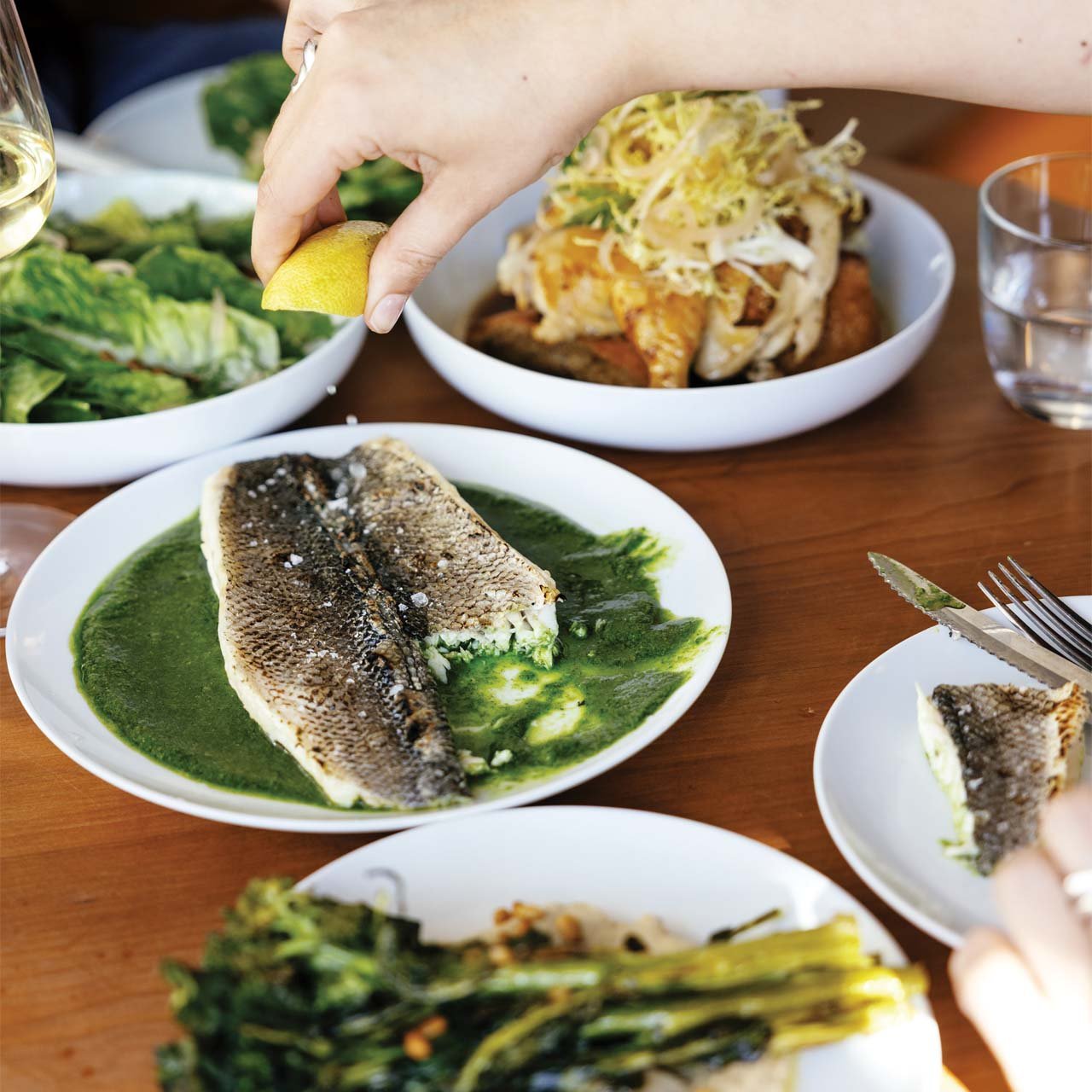
Some cities eat like they are trying to impress outsiders, but Minneapolis eats like it has something to prove to itself. That is why Minneapolis Restaurants keep showing up in food reports, award lists, neighborhood guides, and national dining conversations. The city is not chasing one single food identity. It is building a table where Hmong bakeries, Indigenous kitchens, Japanese tasting counters, French-American bistros, Somali cafés, natural wine bars, and old-school neighborhood rooms all matter.
The national attention is not random. Bûcheron won the 2025 James Beard Award for Best New Restaurant, Owamni earned earlier national praise for its Indigenous menu, and Kado no Mise chef Shigeyuki Furukawa became Minnesota’s sole 2026 James Beard finalist in a major chef category. For readers who follow local food coverage, the lesson is clear: Minneapolis is no longer a “hidden gem” food city. It is a serious American dining market with its own voice, its own pressure, and its own standard.
Why Food Reports Keep Watching Minneapolis Restaurants
Food reports love a city when its dining scene has movement, not noise. Minneapolis has that movement right now. The most talked-about places are not all doing the same thing, which matters more than any single award. A great city food scene needs range, and Minneapolis has started to show it in a way that feels grown-up.
What makes the Minneapolis food scene feel different from bigger cities?
The Minneapolis food scene works because it does not depend on size. New York and Los Angeles can bury average restaurants under hype because the crowd is huge. Minneapolis has less room for lazy attention. A restaurant has to win over locals first, and locals remember.
That pressure creates sharper cooking. A chef cannot survive on a dramatic dining room alone. The food has to make sense in January, on a Tuesday night, when nobody is pretending the city is warmer or easier than it is.
Bûcheron is a strong example. Its James Beard win did not come from being the loudest new place in America. It came from showing how a small Minneapolis restaurant could carry polish, warmth, and a point of view without feeling stiff. That balance is hard to fake.
Why do local dining reports matter more than viral lists?
Local dining reports often catch what national lists miss. A national writer may fly in, book three headline tables, and leave with a tidy opinion. A local critic sees the slow burn. They know when service slips, when a menu grows braver, and when a room becomes part of the city’s weekly rhythm.
That is why Twin Cities dining coverage carries weight. It does not only chase famous names. It tracks neighborhood staying power, kitchen maturity, and whether people still care six months after the opening buzz fades.
The counterintuitive part is simple. The best food reports are not always the flashiest ones. Sometimes the most useful signal comes from a quiet local write-up that says, in plain terms, “This place still delivers.”
The Restaurants Turning Attention Into Staying Power
A city earns food credibility when praised restaurants keep mattering after the headline fades. That is the test Minneapolis is facing now. Awards can open the door, but dinner service decides what happens next. The places that last are the ones that turn attention into trust.
How do award-winning places shape Twin Cities dining?
Twin Cities dining has benefited from national recognition, but the deeper effect is local confidence. When Bûcheron wins a major national award, it tells young cooks that they do not need to leave Minnesota to do serious work. That changes career math.
The same goes for Owamni. Its menu built around Indigenous foodways gave Minneapolis something no copycat city could steal. It did not ask diners to admire Native ingredients from a distance. It put them at the center of the plate and made the experience feel alive.
That kind of restaurant changes expectations. Diners become more open to menus with history, restraint, and identity. Chefs become more willing to cook from a real place instead of a trend board.
Why do smaller rooms often make bigger impressions?
Small restaurants can carry a stronger pulse than massive dining rooms. The margin for error is smaller, but so is the distance between the guest and the kitchen. You feel choices more clearly.
Kado no Mise shows this well. Furukawa’s national finalist recognition in 2026 points toward a style of cooking built on patience, discipline, and craft rather than spectacle. A room like that does not need to shout.
That is where Minneapolis has an edge. The city’s best restaurants often feel personal before they feel branded. You are not only buying dinner. You are stepping into someone’s argument about what food should respect.
How Neighborhood Identity Shapes the Best Restaurants in Minneapolis
The best restaurants in Minneapolis do not float above the city. They sit inside neighborhoods with habits, weather, work schedules, parking headaches, theater nights, office lunches, and regulars who know when the soup changed. That grounded nature gives the dining scene its texture.
Why does location change the way a restaurant feels?
A restaurant near the river does not feel like one tucked into a nightlife corridor. A bakery in Northeast does not carry the same rhythm as a downtown tasting menu counter. Location shapes who walks in, what they expect, and how the room breathes.
Owamni’s move to the Guthrie Theater area along the Mississippi River is more than a real estate change. Its setting connects the restaurant to St. Anthony Falls and to the Dakota significance of that place. That gives the meal a frame before the first plate lands.
This is where local dining reports become useful for everyday diners. They help explain not only whether a place is good, but when it fits. A birthday dinner, a pre-theater meal, and a quiet solo dinner are not the same job.
What do neighborhood favorites reveal about the city?
Neighborhood favorites reveal what awards cannot measure. They show where people return when nobody is watching. A restaurant that becomes part of a couple’s Friday routine or a family’s post-game habit has earned a different kind of praise.
The Minneapolis food scene has many rooms that work this way. Some are not built for national lists. They are built for hunger, comfort, and habit. That does not make them less serious.
The unexpected truth is that “popular” does not always mean trendy. A popular restaurant may be the place that handles a cold night well, remembers regulars, or serves one dish so consistently that people stop comparing it. Food reports are starting to understand that kind of value better than they used to.
What Diners Should Look For Before Choosing a Table
Restaurant reports can point you in the right direction, but they cannot eat for you. The smarter move is to read the signals, then match the restaurant to the night you want. A great place can still be wrong for your mood, budget, group size, or patience level.
How should you read food reports without getting misled?
Read food reports for patterns, not one-liners. If several trusted sources keep mentioning service, wine, pastry, or a specific chef’s point of view, that is useful. If the praise only sounds like soft hype, slow down.
Check whether the report names real reasons. “Exciting” tells you little. “A tight 38-seat room with careful French-American cooking” tells you much more. Specific praise usually comes from real attention.
The best restaurants in Minneapolis tend to show a clear reason for existing. They are not trying to be everything. A strong restaurant knows what it refuses to do, and that refusal often makes the meal better.
What makes a restaurant worth planning around?
A restaurant is worth planning around when it gives you something you cannot easily repeat at home or find in every city. That might be a chef’s cultural memory, a pastry program with nerve, a wine list that teaches without preaching, or a room that makes a hard week feel lighter.
Reservations matter, but they are not the whole story. Some of the most rewarding meals happen when you choose the right place for the right reason. A loud room can save a celebration. A quiet counter can save your mood.
Minneapolis Restaurants are popular in food reports because the city has reached that useful stage where attention and substance are meeting. The next step belongs to diners. Read widely, choose with intent, and let the city prove itself one plate at a time.
Frequently Asked Questions
What are the most popular Minneapolis restaurants in food reports?
Food reports often highlight restaurants with strong chef identity, local loyalty, national recognition, and clear originality. Recent attention has gone to places such as Bûcheron, Owamni, Kado no Mise, Myriel, Spoon and Stable, and Diane’s Place.
Why is the Minneapolis food scene getting national attention?
The city has built a dining scene with range and confidence. Indigenous food, Hmong American baking, Japanese craft, French-American bistros, natural wine, and neighborhood cooking all play a role. National award recognition has pushed that attention even higher.
Are the best restaurants in Minneapolis expensive?
Some are expensive, especially tasting menu spots and award-winning rooms with limited seats. Many others are more approachable. Minneapolis dining works best when you match the restaurant to the occasion instead of assuming every praised place requires a large budget.
Which Minneapolis restaurants are best for visitors?
Visitors should look for restaurants that feel specific to the city. Owamni, Kado no Mise, Spoon and Stable, Bûcheron, and strong neighborhood bakeries or cafés can give travelers a better sense of Minneapolis than a generic downtown dinner.
Do Minneapolis restaurants need reservations?
Popular restaurants often need reservations, especially on weekends or after major media attention. Smaller rooms can book out fast. Weeknights, early dinner slots, bar seats, and lunch service may give you better chances without losing the experience.
What should I check before choosing a Minneapolis restaurant?
Check the menu style, location, reservation rules, price range, parking, and recent diner feedback. A restaurant may be excellent but still wrong for your group if it is too loud, too formal, too slow, or built around a narrow menu.
Are local food reports better than national restaurant lists?
Local reports often give better day-to-day guidance because they track consistency, service, neighborhood fit, and long-term quality. National lists can identify major talent, but local coverage usually helps diners make smarter real-life choices.
How often do Minneapolis restaurant rankings change?
Rankings can shift every season as new restaurants open, chefs move, menus change, and award attention rises or fades. A smart diner checks recent reports but also looks for places with steady praise over time.