

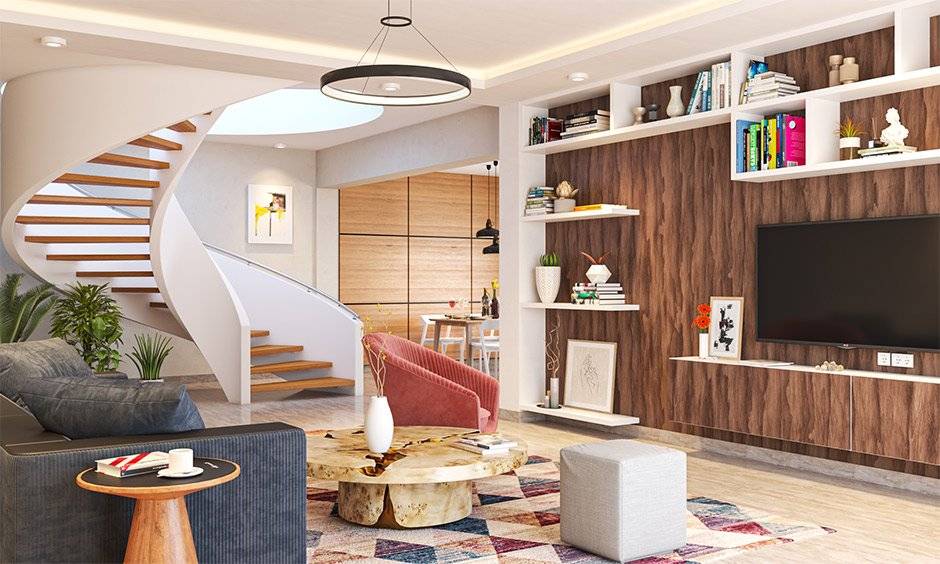
A staircase can either make a home feel intentional or expose every weak design choice around it. Many homeowners treat stairs as a passage, but smart staircase design ideas turn that passage into one of the strongest style moments in the house. In American homes, this matters even more because layouts vary so much, from narrow townhouses in Boston to open-plan homes in Texas and split-level houses across the Midwest. A stairway often sits near the entry, living room, or hallway, which means guests notice it before they notice the sofa, art, or kitchen finishes. The best designs do not chase drama for its own sake. They balance safety, traffic flow, materials, lighting, and the mood of the home. If you publish or promote home improvement content, strong visual topics like staircases also work well for home design and lifestyle visibility because they connect beauty with practical decisions. A good staircase does not scream for attention. It earns it every time someone walks through the door.
Staircase Design Ideas That Make the First Impression Count
The first impression of a staircase happens before anyone steps on it. It starts with sightlines, proportion, and how the stair shape relates to the rest of the room. A staircase near the front door should feel like part of the home’s welcome, not like a leftover structure pushed against a wall. This is where staircase design ideas become less about decoration and more about control.
How can entryway stairs feel stylish without looking overdone?
A stylish entry stairway begins with restraint. In a suburban New Jersey colonial, for example, replacing a heavy dark banister with a cleaner rail and warmer wall color can change the whole entry without touching the stair frame. The space feels lighter because the eye can move.
Many homeowners make the mistake of adding too many features at once. They choose patterned runners, bold wall art, oversized lighting, painted risers, and heavy trim in the same narrow view. That creates visual noise. One strong design move usually works better than five competing ones.
Scale matters more than trend. A wide foyer can handle a sculptural pendant or a bold stair runner. A compact townhouse entry may only need a slim console, quiet wall color, and better stair lighting ideas. Good design respects the size of the space instead of pretending every home has a magazine-sized foyer.
What stair shapes work best for different home layouts?
Straight stairs suit homes where clean movement matters. They are easy to read, easy to furnish around, and often safer for families with kids or older adults. In many American ranch conversions or finished basement projects, straight stairs also keep construction simpler and help control costs.
L-shaped stairs bring privacy and rhythm. They work well in homes where the stairway turns away from the entry or separates living spaces without a full wall. That turn can make a home feel more thoughtful because it slows the eye and creates a small moment of discovery.
Curved stairs need space and discipline. They can look beautiful in larger homes, but they can also feel forced when squeezed into a tight floor plan. The unexpected truth is that a modest stair shape often looks more expensive than a dramatic one when the proportions are right.
Materials That Give Stairs Real Character
Materials decide whether a staircase feels warm, sharp, rustic, formal, or casual. The wrong material can make even a smart layout feel awkward. The right one can rescue an ordinary stairway and make it feel built with purpose. This is where texture carries more weight than decoration.
Why does wood stair design remain so popular?
Wood stair design stays popular because it feels human. It has grain, variation, warmth, and a sense of age that painted drywall cannot copy. In a Craftsman-style home in Portland or a farmhouse-inspired house in Tennessee, oak or walnut treads can anchor the whole interior.
The finish should match the way the home is lived in. A glossy dark stain may look polished on day one, but it can show dust, scratches, and pet marks fast. A medium-tone matte finish often survives daily life better, especially in homes with children, shoes, backpacks, and dogs crossing the stairs all day.
Wood also pairs well with other materials. A white riser with natural treads can brighten a small stairwell. Black metal balusters can make traditional wood feel sharper. The trick is not to bury the wood under too many finishes. Let it speak.
Which railing materials create the cleanest look?
Modern stair railing choices can shift the full mood of a staircase. Black metal rails give a crisp edge and work well in both modern farmhouses and city apartments. Cable rails feel open and casual, though they need careful installation to avoid looking loose or temporary.
Glass railings create the most open view, but they are not right for every household. Fingerprints, smudges, and cleaning become part of the deal. In a busy family home, that clean showroom look can turn into a daily chore unless everyone accepts the maintenance.
Wood handrails still have a place. They feel steady in the hand, age well, and soften harder materials like tile, concrete, or steel. A modern stair railing does not have to feel cold. The best versions combine clean lines with touchable materials, because people experience stairs with their hands as much as their eyes.
Lighting, Color, and Details That Change the Mood
Once the structure and materials work, smaller details decide whether the staircase feels finished. Lighting, paint, runners, and wall treatment all shape the emotional tone. These details are powerful because they can change the stairway without requiring a full remodel.
What stair lighting ideas make a home safer and warmer?
Stair lighting ideas should begin with safety, but they should not end there. A stairway needs even light across each tread so people can see depth clearly. This matters in homes with older guests, children, or basement stairs where shadows often collect.
Wall sconces can warm up a stairwell without taking floor space. Recessed step lights work well in newer homes or major remodels, especially along floating or open stairs. A pendant can make sense in a tall entry, but only when it hangs high enough to avoid feeling like an obstacle.
Layered lighting gives the best result. Soft overhead light, low step lighting, and natural daylight can work together so the stairs feel calm at night and lively during the day. The counterintuitive part is that brighter is not always better. Even light beats harsh light every time.
How do paint and runners affect staircase style?
Paint can make a tired staircase feel fresh fast. White risers with stained treads create a classic American look, while soft gray or greige walls can calm a narrow stairwell. A dark painted rail can add shape without making the space feel heavy.
Runners add comfort, sound control, and personality. In older homes with hardwood stairs, a runner can reduce noise and help prevent slips. Patterns work best when they connect to the rest of the home instead of acting like a random accent picked from a catalog.
Small entryway stairs often benefit from quieter choices. A loud runner in a tight hallway can shrink the space. A narrow stripe, woven texture, or muted pattern can give movement without crowding the view. Good details guide the eye upward instead of trapping it at the first step.
Smart Stair Choices for Everyday American Homes
A staircase has to survive real life. Groceries, pets, laundry baskets, kids running late for school, guests arriving with bags, and daily movement all test the design. Style matters, but a staircase that fights daily habits becomes annoying fast.
How can small entryway stairs feel bigger?
Small entryway stairs feel bigger when the surrounding space is edited with discipline. Removing bulky furniture near the first step can open the view more than any paint color. A slim bench, narrow mirror, or wall hooks may work, but only when they do not block movement.
Color also changes perception. Light walls can widen the stairwell, while a darker rail can define the line of the stairs. In many compact row homes, painting the wall and trim in close tones reduces visual breaks and helps the area feel calmer.
Storage should stay honest. Stuffing baskets, shoe racks, and décor near the stairs often makes the entry feel smaller. A closed cabinet nearby works better than a pile of “organized” clutter in plain sight. The cleanest small stair areas usually have fewer objects, not smarter piles.
What upgrades add value without wasting money?
The best stair upgrades improve both appearance and daily use. Refinished treads, safer handrails, better lighting, and a durable runner usually make more sense than an expensive decorative overhaul. Buyers notice when stairs feel solid, clean, and safe.
A full staircase rebuild can cost a lot, so it should match the home’s value and neighborhood expectations. In a starter home, a polished but simple update may bring better return than a custom floating staircase. In a high-end property, cheap railings or poor finish work can drag down the whole interior.
Quality installation matters more than the fanciest material. Wobbly rails, uneven stain, poor runner alignment, or squeaky treads make a stairway feel neglected. A sharp eye notices those flaws quickly. Better to do a smaller upgrade well than a bigger one badly.
Conclusion
A staircase is one of the few home features that blends movement, structure, and style every single day. That is why it deserves more thought than a quick paint job or a trendy railing photo saved from social media. The strongest staircase design ideas start with how the home actually works, then build beauty around that daily rhythm. Choose materials that fit your climate, traffic, budget, and cleaning habits. Give lighting the same respect you give finishes. Keep the first impression clear, but never forget the hands and feet that use the stairs morning and night. Stylish homes are not made by copying dramatic ideas. They are made by choosing details that feel right after the excitement wears off. Walk through your stairway today, notice where it feels dark, crowded, worn, or unfinished, then fix the one thing that would change the experience most.
Frequently Asked Questions
What are the best modern staircase ideas for small homes?
Clean railings, light wall colors, open sightlines, and slim runners work best in small homes. Avoid bulky trim, oversized pendants, and heavy furniture near the stairs. A compact staircase feels larger when movement stays clear and every detail has a reason.
How can I make my staircase look expensive on a budget?
Refinish worn treads, repaint risers, upgrade the handrail, and add better lighting. These changes often create more impact than costly decorative features. Clean craftsmanship makes a staircase look expensive faster than loud materials or trendy details.
What is the safest flooring option for stairs?
Hardwood with a secure runner is a strong choice for many homes because it balances durability, grip, and style. Carpet can also work well for families, but it should be tightly installed. Loose edges or slippery finishes create safety problems.
Are glass railings good for family homes?
Glass railings can look open and bright, but they need regular cleaning and strong installation. Families with young kids or pets may find smudges frustrating. Tempered safety glass is necessary, and local building codes should always guide the final choice.
Which stair colors work best in American homes?
Warm wood, soft white, charcoal, greige, and muted earth tones work well across many American interiors. The best color depends on nearby flooring, wall color, and natural light. Stairs should connect rooms, not fight them.
How do I choose a stair runner pattern?
Choose a pattern that matches the home’s scale and mood. Narrow stairs usually need smaller patterns or quiet textures. Wider staircases can handle bolder designs. Durability, stain resistance, and secure installation matter as much as appearance.
Can staircase lighting improve home value?
Good lighting can improve both safety and perceived quality. Buyers notice stairs that feel bright, secure, and well finished. Sconces, step lights, and balanced overhead lighting can make an ordinary stairway feel more polished.
When should I replace a staircase instead of updating it?
Replacement makes sense when the structure is unsafe, the layout blocks daily movement, or repairs would cost nearly as much as rebuilding. Cosmetic updates work for worn finishes, dated rails, or poor lighting, but structural problems need professional attention.